1. OpenAI releases GPT-6.2 Astra and Sol; Astra costs less than a third of GPT-6 Astra per task, and Sol about a fifth of Astra;
2. Microsoft unveils seven in-house MAI models at Ignite, offering near-frontier performance at lower prices;
3. Google makes Gemini tasks free in six countries, and Antigravity resets all quotas for its first birthday;
4. Anthropic launches Code Mode and linked billing, and cuts its disclosure deadline for high-severity vulnerabilities to 30 days;
5. Isomorphic Labs closes a US$5 billion Series C;
6. Nvidia's board sets up a national security and export control oversight committee, and the SEC is reportedly investigating the company.
I. Model releases and open source
1. OpenAI releases GPT-6.2 Astra and GPT-6.2 Sol
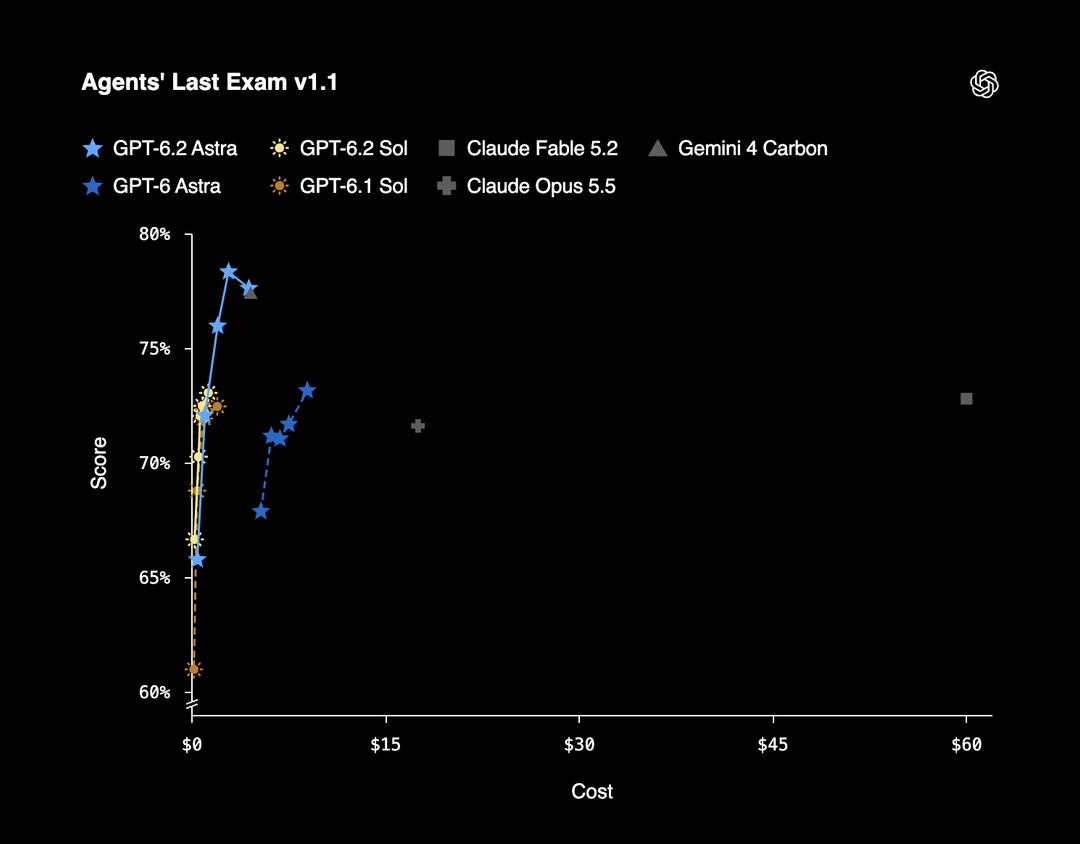
OpenAI has released two complementary models: GPT-6.2 Astra for complex coding, scientific research and long-running professional work, and GPT-6.2 Sol for everyday multi-step work.
OpenAI's figures: on Agents' Last Exam, a benchmark of multi-step professional work, Astra scores 5.2 points higher than GPT-6 Astra at less than a third of the cost per task. On Cognition's FrontierCode 2.0 coding benchmark, with both at their highest reasoning setting, Sol comes within 0.5 points of Astra at about a fifth of the cost.
Availability and pricing: both models are available to Plus, Pro, Enterprise and Edu users in ChatGPT Work and Codex, and in the API. Astra costs US$8 per million input tokens, US$0.40 for cached input and US$40 for output, 20% less than GPT-6 Astra; Sol keeps GPT-6.1 Sol's prices of US$2, US$0.10 and US$10. Pro 500 subscribers can use Ultrafast with either model, Pro 200 subscribers get Ultrafast for the first time, starting with Sol, and Enterprise and Edu workspaces need an admin to enable it. OpenAI has also tightened its handling of high-risk cybersecurity requests; approved defenders can get access through Daybreak, where GPT-6.2 will also be offered.
Announcementopenai.com/index/introducing-gpt-6-2-astra-sol/
2. Microsoft releases seven MAI models at Ignite, aiming for strong performance at low prices
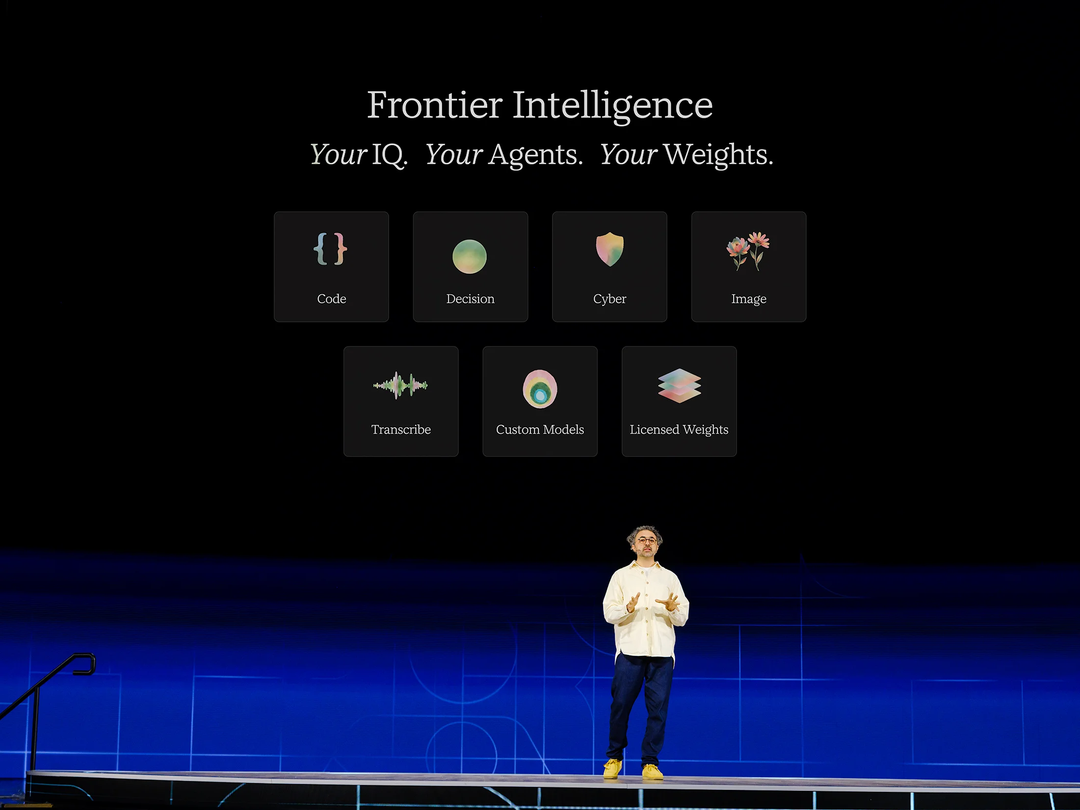
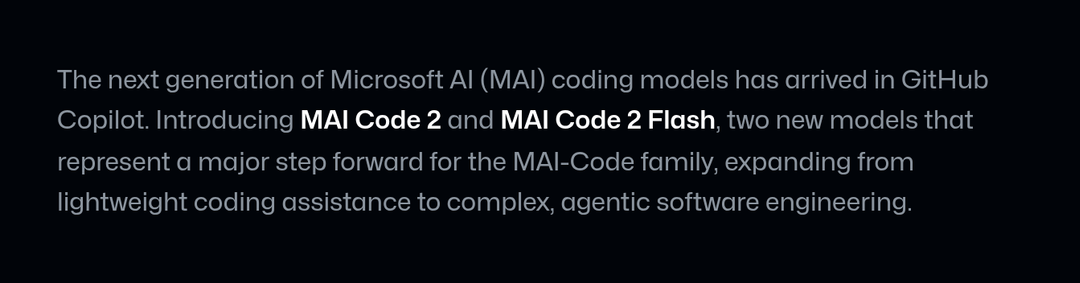
At Ignite, Microsoft released seven in-house MAI models, pitched as near-frontier performance at lower prices. They include: MAI Code 2 / Code 2 Flash: averaged over four coding benchmarks common in GitHub Copilot work, Microsoft says Code 2 delivers 98% of GPT-6.1 Sol's performance at about 40% of the cost, and about 5% of Claude Opus 5.5's cost; Code 2 Flash is for everyday coding tasks. MAI Image 2.7: which Microsoft calls the top-ranked image editing model, at about a fifth of the cost of competitors. Decision 1.1: a model routing decision model built into applications. MAI Cyber 2 Flash: scores 92.3% on CyberGym-E2E, ahead of GPT-6 Astra's 91.5%, at less than 2% of the cost per task, and will be used in Microsoft's security products. MAI Realtime 1: a real-time voice model at US$0.01 per audio minute. MAI Transcribe 2: already used in Dragon Copilot for about 10 million patient encounters a month, with the error rate halved. Microsoft also notes that these models are not yet tuned for fundamental science research or very long-horizon agent tasks.
Keynotemicrosoft.ai/news/microsoft-ignite-2026-mai-keynote/
MAI Code 2microsoft.ai/news/introducing-mai-code-2-and-mai-code-2-flash/
MAI Cyber 2microsoft.ai/news/introducing-mai-cyber-2-flash/
3. Kling AI releases Kling Image 4.0 with native 8K
Kling has released the image model Kling Image 4.0. According to its website, the main features are native 8K ultra-HD generation, crisper small text and creative typography, coherent image sets from a single prompt, and long image generation and editing, suited to layout-heavy work such as e-commerce product pages and long web graphics.

4. SenseTime open-sources SenseNova-Loop-9B, which reuses layers to get 56 layer passes from 32 layers
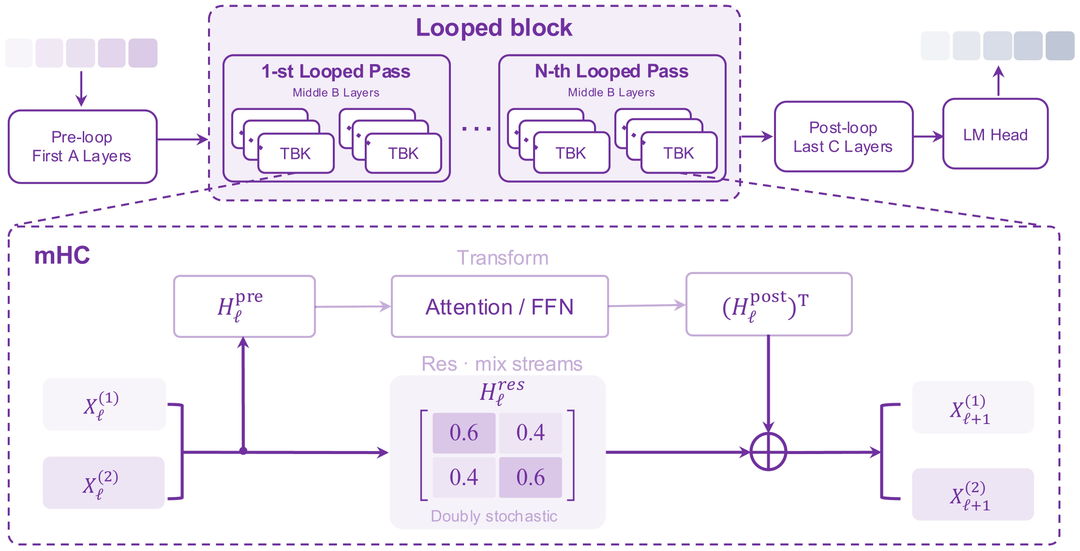
SenseTime has open-sourced the multimodal model SenseNova-Loop-9B, with weights and code on Hugging Face and GitHub under the Apache 2.0 licence and an official AWQ 4-bit quantised version from day one. It reuses shared middle layers in a loop: with about 9 billion parameters, 24 decoder layers run twice in a row, so 32 physical layers give 56 layer passes. It accepts text and image input with a context of up to 512K tokens. SenseTime says it comes close to Qwen3.8-27B on some agent and data analysis benchmarks, for example 65.31 vs 65.01 on AIDABench and 41.36 vs 44.60 on NL2Repo. With 4-bit weights and an 8-bit KV cache, multimodal inference at 256K context needs about 15GB of GPU memory.
Repogithub.com/OpenSenseNova/SenseNova-Loop
Weightshuggingface.co/sensenova/SenseNova-Loop-9B
II. Developer ecosystem and tooling
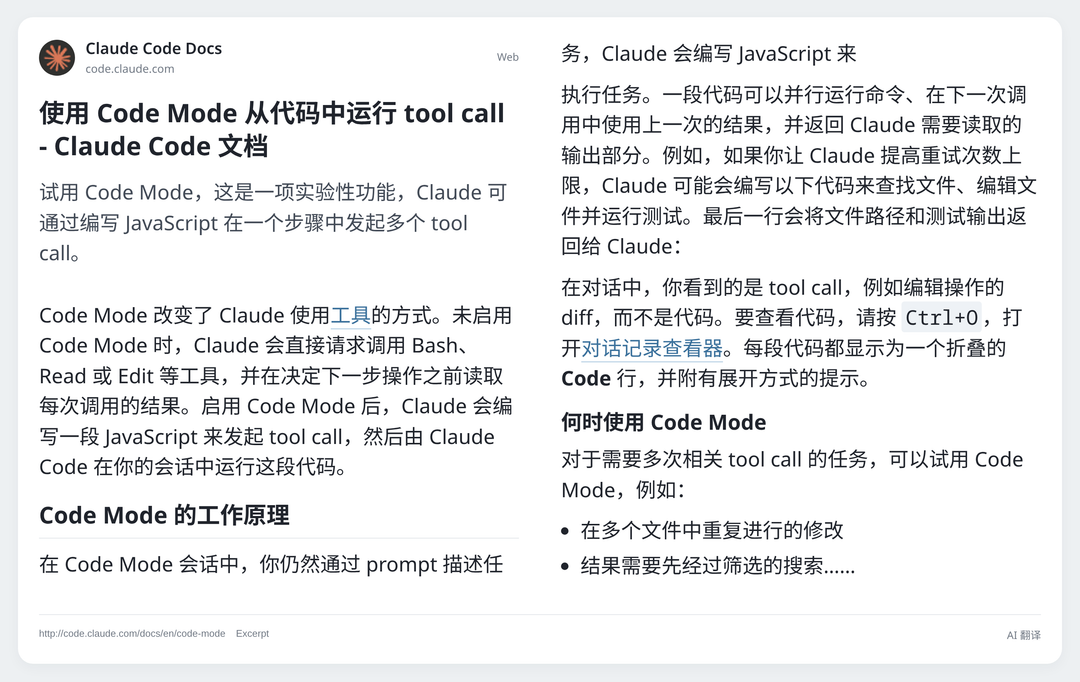
1. Claude Code launches experimental Code Mode, replacing one-by-one tool calls with scripts
Claude Code has launched an experimental Code Mode: instead of calling tools such as Bash and Read one at a time, Claude writes a piece of JavaScript that chains several tool calls in one step, and Claude Code runs it in your session. To turn it on, set the environment variable CLAUDE_CODE_EXPERIMENTAL_CODE_MODE=1. It needs Claude Code v2.1.323 or later and a Claude subscription or Console account. The feature is off by default, experimental, and may change or be removed in later releases.
Docscode.claude.com/docs/en/code-mode
Postx.com/ClaudeDevs/status/2122801681939234950
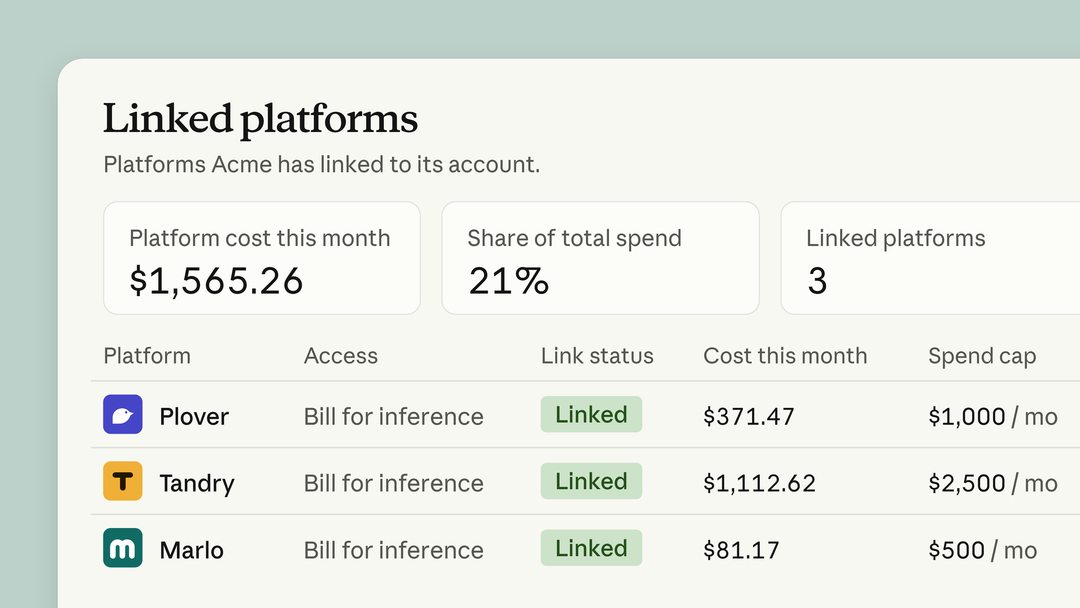
2. Claude Platform launches linked billing in beta, so third-party platforms no longer need customers' API keys
Claude Platform has launched linked billing in beta: once customers link their Claude Platform organisation to a third-party platform, the Claude API costs they incur there are billed to their own organisation without handing an API key to the platform. Customers can set a spend limit for each platform and unlink at any time, and platforms don't need to build their own metering and invoicing. Supported platforms include 19 such as Asana, ClickHouse, Factory, Linear, Ramp and Warp.
Blogclaude.com/blog/linked-billing-on-claude-platform
Postx.com/ClaudeDevs/status/2122751844455956760
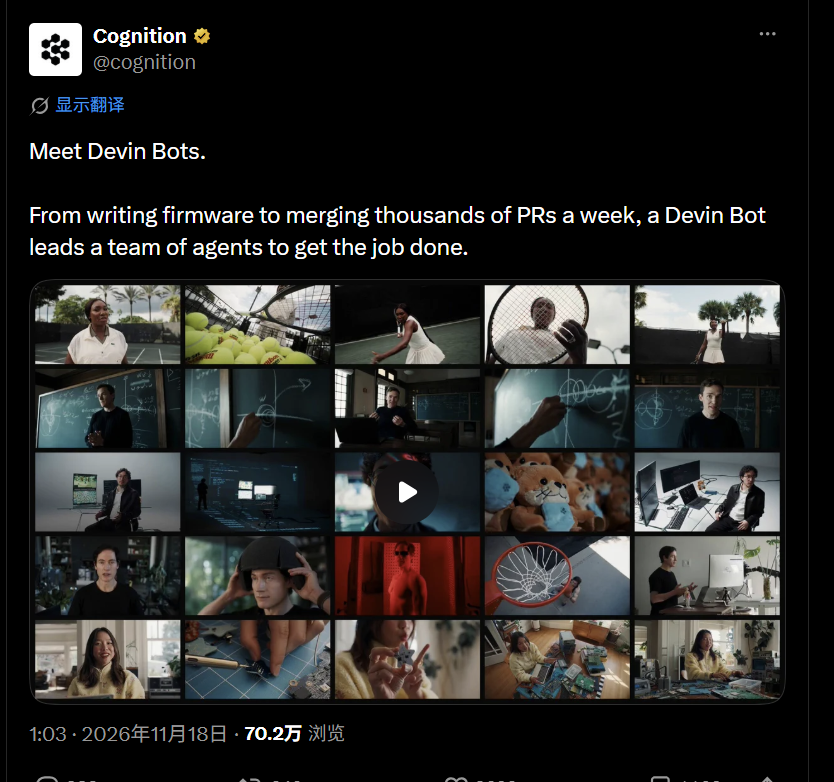
3. Cognition launches Devin Bots: agent teams that work for days or weeks
According to Fortune and other media, Cognition has launched Devin Bots: after you set a goal, a bot leads a team of Devin coding agents for days or weeks, handling planning, code review and testing until the PRs can be merged. According to BigGo, Cognition's Walden Yan said one founder merged about 1,900 PRs in a week with 20 bots.
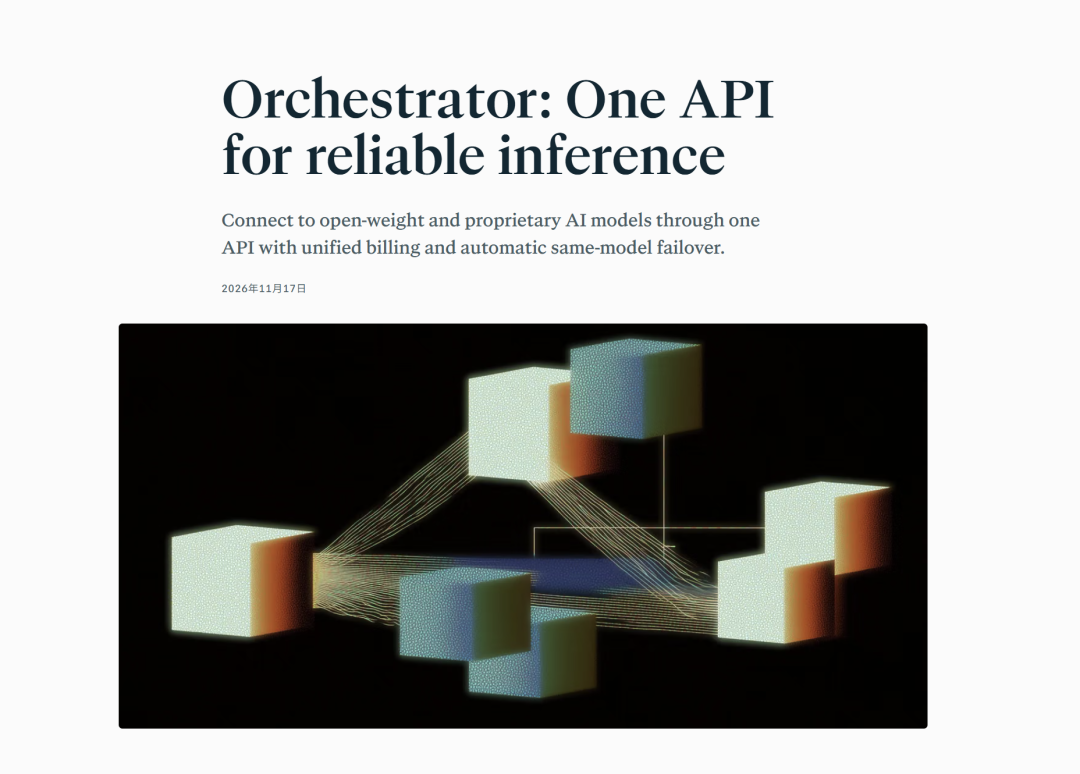
4. Perplexity launches the Orchestrator API, one entry point to more than 45 models
According to several media reports, Perplexity has launched the Orchestrator API, which offers more than 45 models from OpenAI, Anthropic, Google, xAI and others, plus open-weight models, through one interface compatible with the OpenAI and Anthropic SDKs. If a model errors, is rate-limited or times out at one provider, the request automatically retries on another deployment of the same model. You pay the price of the model that actually answers, with no routing fee.
5. Google AI Studio upgrades its Android app development workflow
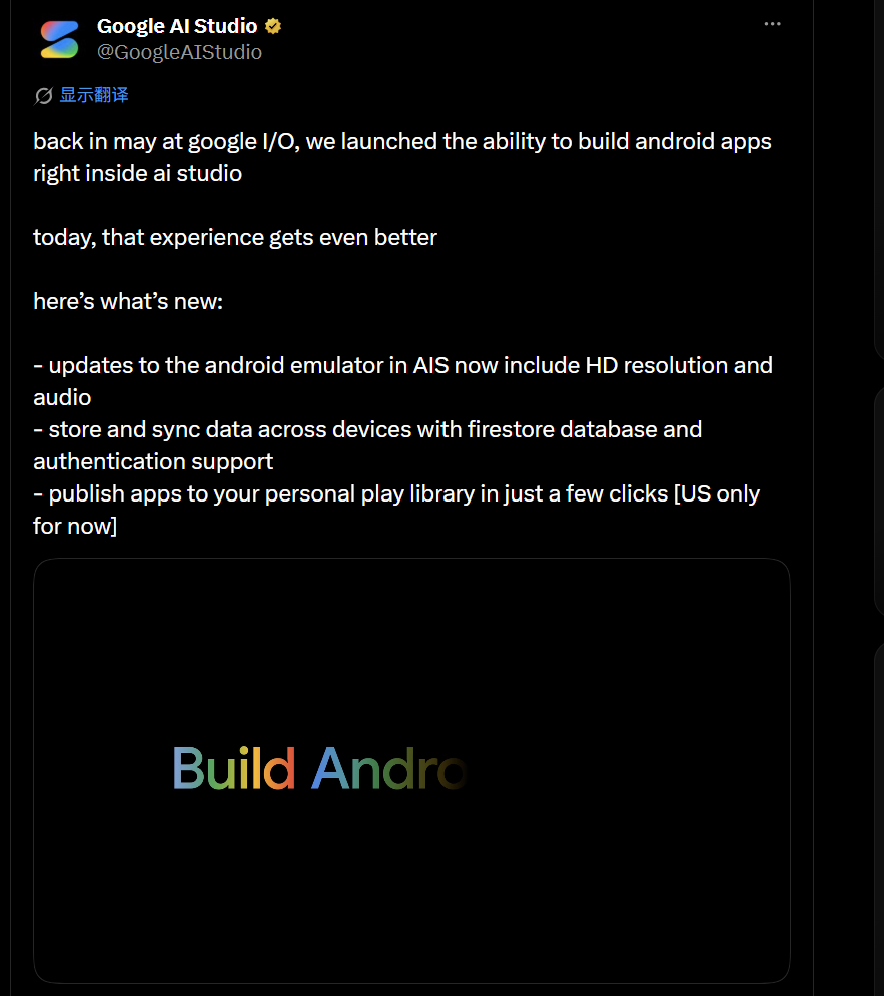
Google AI Studio has improved Android app development: a single prompt can produce a Kotlin app with data storage, user sign-in and AI features, with a Firebase backend and Gemini calls through Firebase AI Logic that don't expose API keys. The in-browser Android emulator starts faster and supports 1200p HD streaming and real-time audio, and you can send an emulator screenshot to the agent in one click to change the UI. Apps can be published straight to your personal Google Play library and installed on your phone.
Blogdevelopers.googleblog.com/build-full-stack-android-apps-with-gemini-in-google-ai-studio
6. Google AI Studio Build supports custom domains
Build mode in Google AI Studio now supports custom domains for web apps, so you can turn an idea into a live app on your own branded domain.
Docsaistudio.google.com/docs/aistudio-custom-domains
Postx.com/GoogleAIStudio/status/2122817812200555003

7. Google launches a robotics plugin for Antigravity
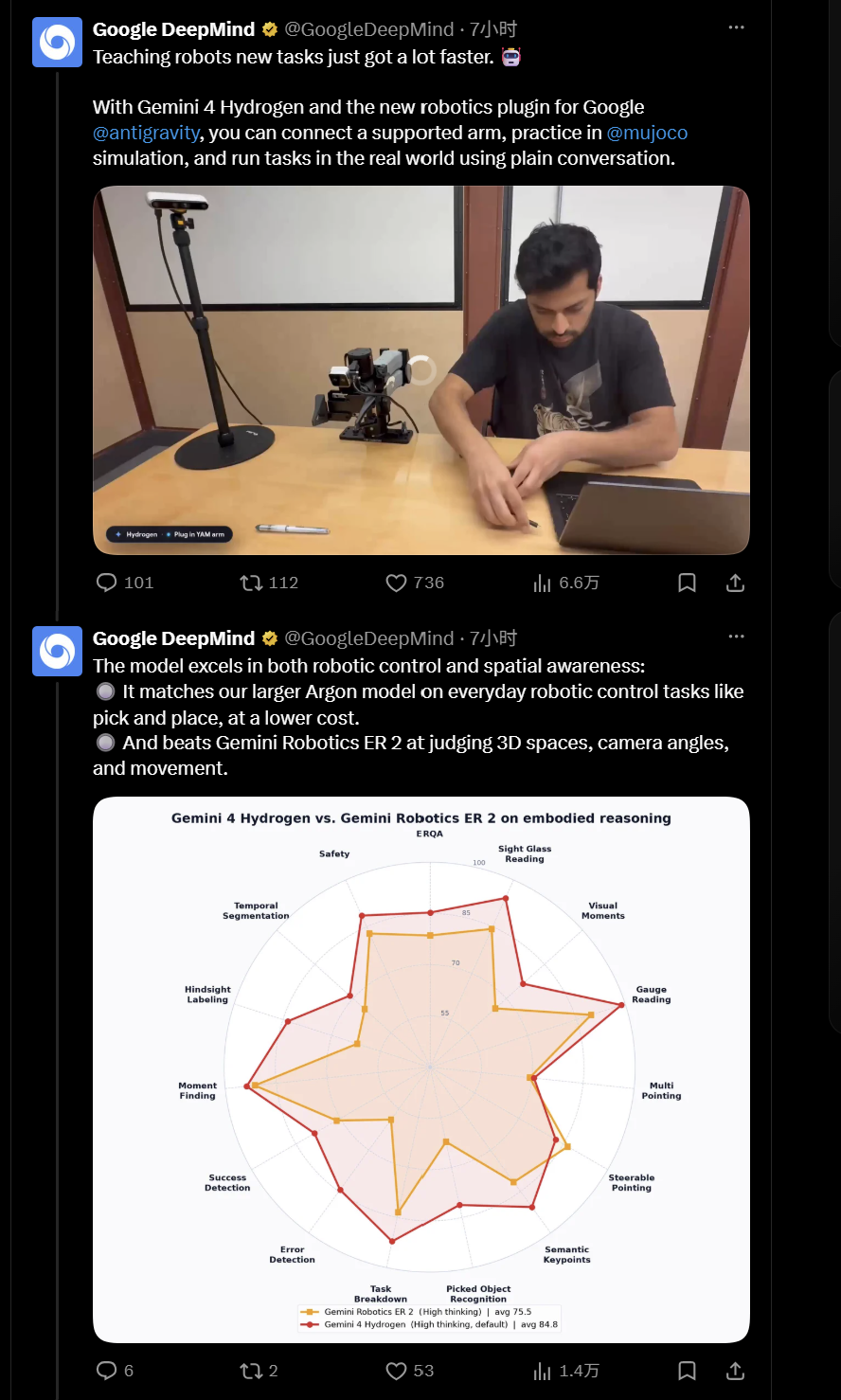
Google has launched a robotics plugin for Antigravity that works with Gemini 4 Hydrogen, supporting rapid hardware bring-up, MuJoCo simulation and closed-loop control. Google says developers can use natural language prompts to turn a robot arm fresh out of the box into a working simulation-and-real-world application in an afternoon.
Blogdevelopers.googleblog.com/gemini-hydrogen-for-robotics/
III. Products shipping
1. Gemini tasks are free in six countries
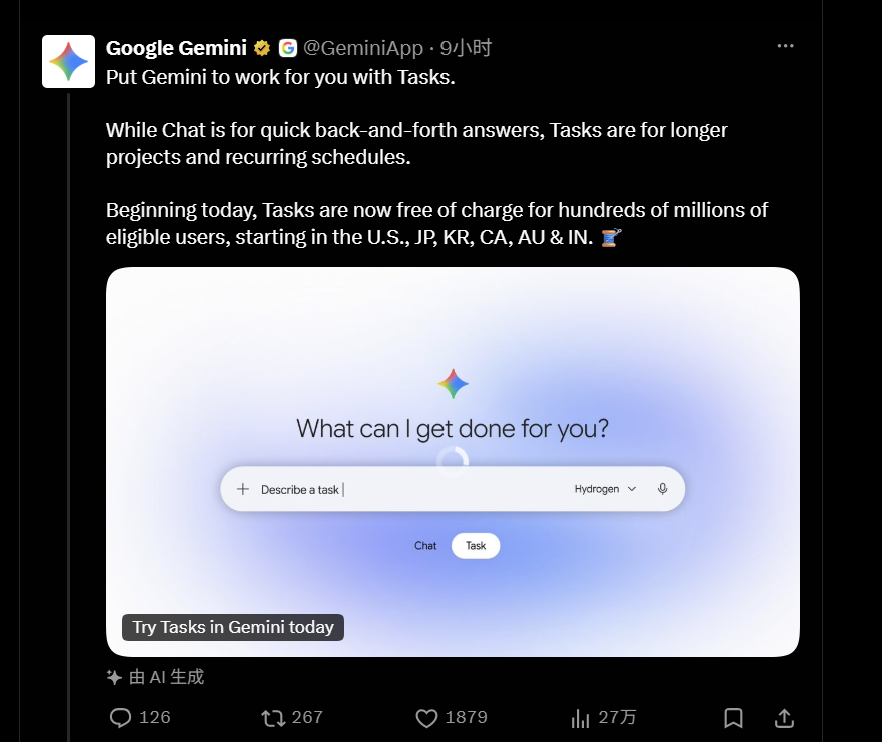
Google says Gemini's tasks feature is now free in the US, Japan, South Korea, Canada, Australia and India. It runs on the new Gemini 4 Hydrogen model and can help with appointments, bills, shopping and more. Advanced features are rolling out first in the US, including having Gemini make calls to businesses and check out with Google Pay using the Agent Payments Protocol.
Blogblog.google/innovation-and-ai/products/gemini-app/tasks-in-gemini-free-new-features/
Postx.com/GeminiApp/status/2122737922600485207
2. Antigravity turns one: all model quotas reset and Carbon's first token 1.5x faster
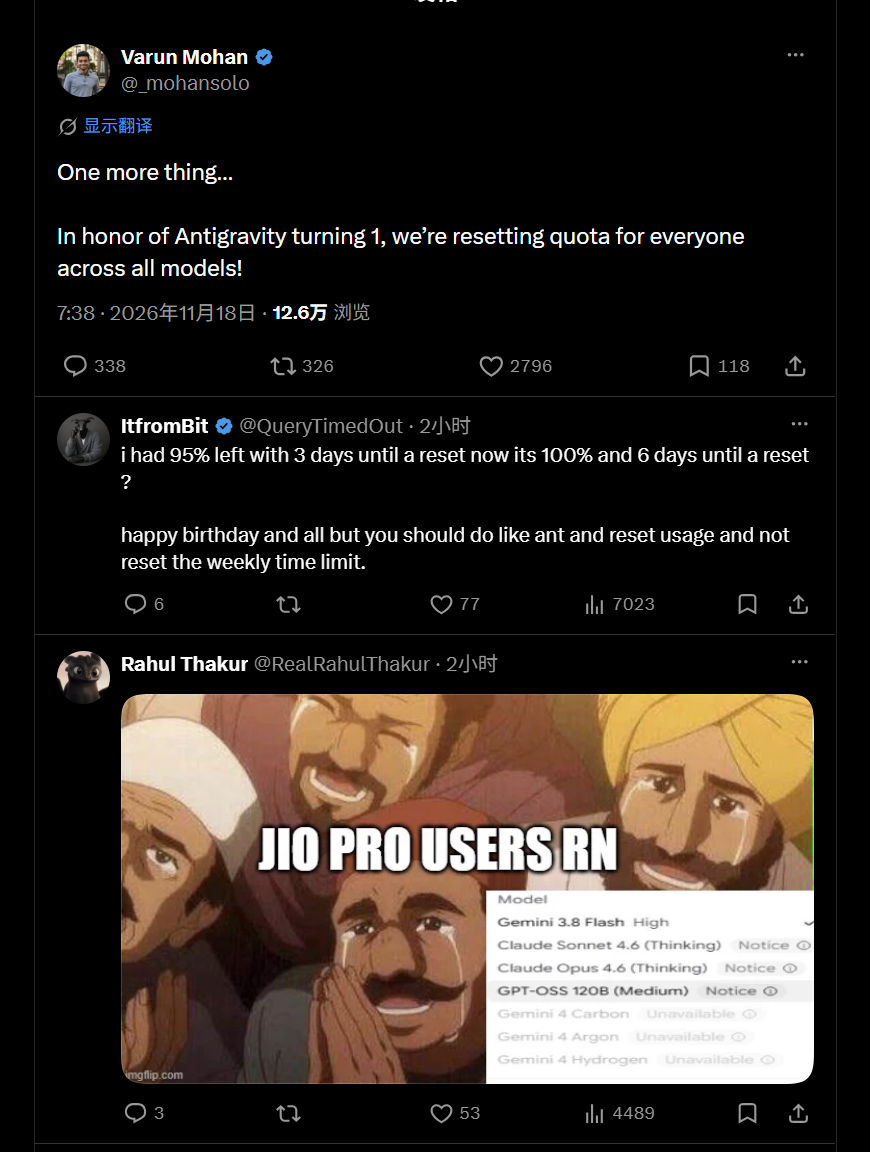
To celebrate Antigravity's first birthday, its lead Varun Mohan announced a quota reset for all users across all models. He also said Carbon's time to first token on Antigravity is now 1.5x faster, with Argon to follow soon.
Quota resetx.com/_mohansolo/status/2122836883877347836
Faster first tokenx.com/_mohansolo/status/2122821676249625014
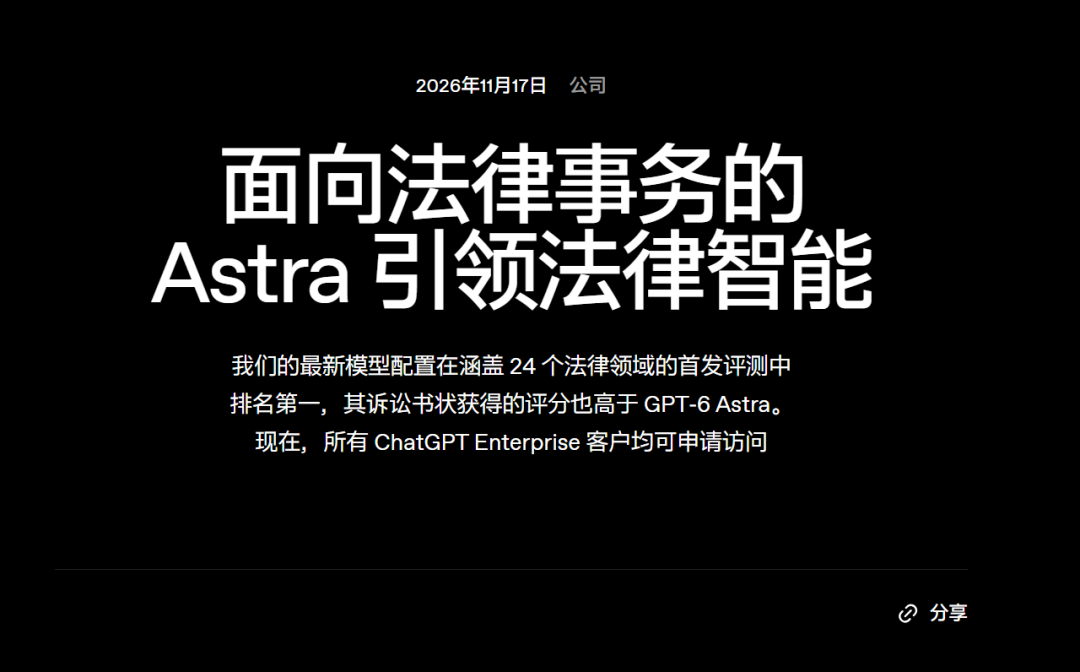
3. OpenAI updates Astra for Law, which ranks first on Harvey LAB-AA
OpenAI has updated Astra for Law, its legal configuration of GPT-6.2 Astra with an expanded legal search index and instructions that guide research, weigh authorities and write answers. OpenAI's figures: on Harvey LAB-AA it ranks first with a 20.8% perfect-score rate, ahead of GPT-6.2 Astra's 15.0%; it averages 0.03 material hallucinations per task, tied with GPT-6 for the lowest; and on Vals AI's Legal Research Bench, the share of answers passing every check rose from about 46% in September to 53.8%. All ChatGPT Enterprise customers can request access through the Trusted Access Program, including through the API.
Blogopenai.com/index/astra-law-6-2/
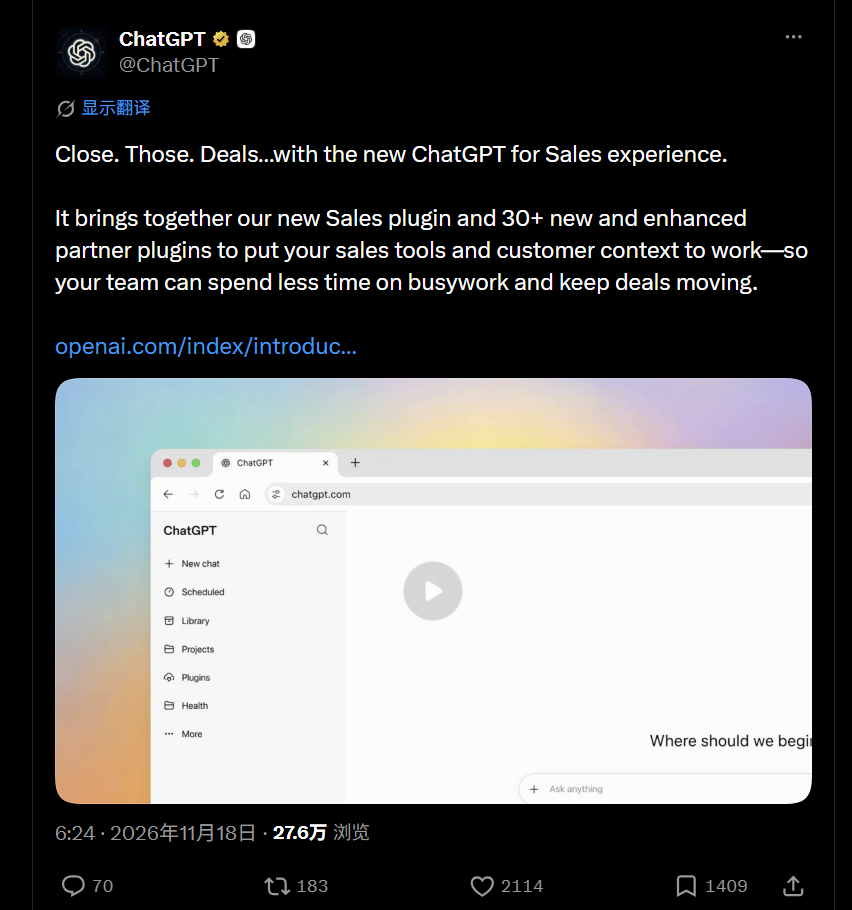
4. OpenAI launches ChatGPT for Sales
OpenAI has launched ChatGPT for Sales, with a new Sales plugin and more than 30 new or expanded partner plugins. It connects to CRMs such as Salesforce and HubSpot to prepare for customer calls and follow up on commitments, and can combine signals from tools such as Apollo and Clay to find prospects. ChatGPT Business and Enterprise admins can turn it on for their teams in the admin console; plugin availability varies by plan, region and workspace settings.
Blogopenai.com/index/introducing-chatgpt-for-sales
Postx.com/ChatGPT/status/2122818162995634504
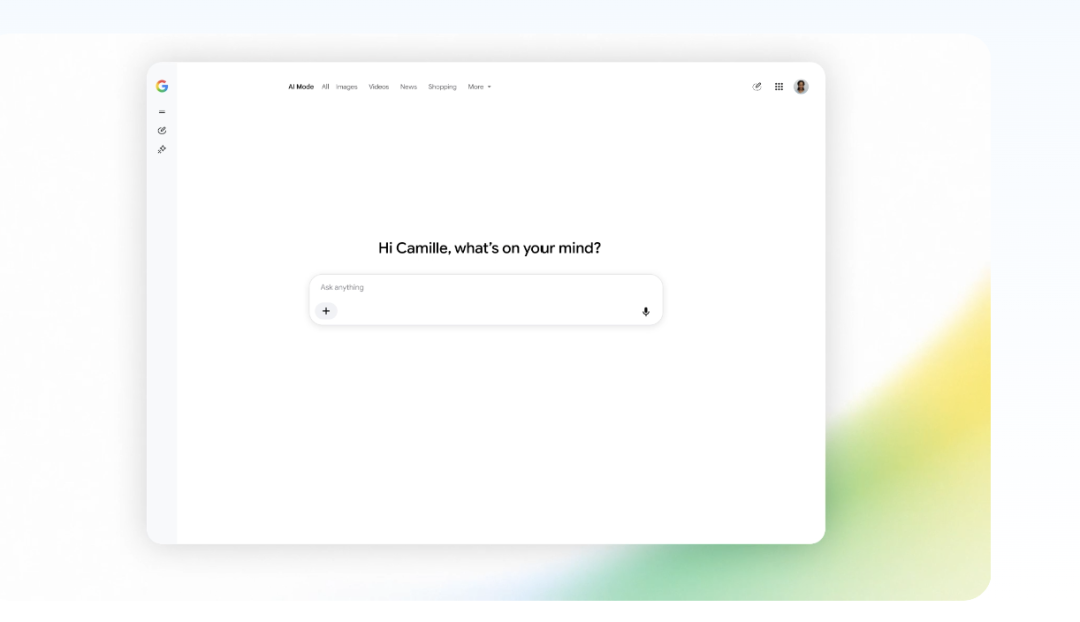
5. Google AI Mode adds temporary threads that leave no trace
Google has added temporary threads to AI Mode in Search: once on, the conversation is kept separate from your account, answers don't draw on past preferences, it doesn't affect future personalisation and it isn't saved to your history; once you close it, it's gone. The feature is rolling out globally on desktop and mobile browsers in all languages AI Mode supports.
Blogblog.google/products-and-platforms/products/search/temporary-threads-ai-mode/
6. Google Vids personal avatars are free for personal accounts
According to Android Authority and others, the personal avatar feature in Google Vids is now free for personal Google accounts, letting you create a digital double with your own look and voice to appear in AI videos.
IV. Technical insight and frontier research
1. GPT-6.2 safety testing: the first externally released model at the High threshold for AI self-improvement
OpenAI has also published the GPT-6.2 system card. The launch post says GPT-6.2 Astra is OpenAI's first externally released model to meet the High threshold for AI self-improvement, which measures a model's ability to accelerate AI research, and OpenAI has tightened its limits on high-risk cybersecurity requests. Separately, VentureBeat reports that UK government testers found the pre-release GPT-6.2 Astra easier to jailbreak than its predecessor.
2. Anthropic tightens disclosure deadlines, cutting high-severity bugs from 90 to 30 days
Anthropic has changed its coordinated vulnerability disclosure policy: the deadline for high and critical severity vulnerabilities drops from 90 days to 30, and for other vulnerabilities to 45, for reports made on or after 1 January 2027; reports still open then keep their original deadlines. Related changes: if a maintainer doesn't respond within 15 days (previously 30), Anthropic will seek help from an outside vulnerability coordinator, and the wait before publishing full technical details after a patch shrinks from 45 days to 30. Flaws in critical infrastructure software, or ones that require specification changes, may not be fixable within these deadlines, and Anthropic will agree remediation timelines with the vendor. Anthropic's reasoning: many disclosure norms were set before AI could find vulnerabilities, and now that models help people find bugs faster, more of them are independently rediscovered, so vulnerabilities rarely stay private for long.
Announcementwww.anthropic.com/news/coordinated-vulnerability-disclosure-timelines
3. Microsoft and more than 40 organisations launch an AI transparency initiative
At Ignite, Microsoft launched the AI Transparency Initiative with more than 40 organisations including Accenture, Adobe, KPMG, Mastercard and Volvo Cars, to advance AI transparency, security and governance standards across models and providers. It has three parts: expanding Microsoft's participation in the US National Institute of Standards and Technology's related work; developing open standards with the participating organisations; and building the results into Microsoft AI, Microsoft Foundry and Microsoft Copilot, so enterprises can use their own security and compliance tools to independently verify what data AI accessed and what actions it took. Note that these standards are still being developed and won't create enforceable obligations in the near term.
4. Analysis: what Sol and Astra's 0.5-point gap at a fifth of the cost says about pricing
On FrontierCode 2.0 at the highest reasoning setting, Sol comes within 0.5 points of Astra while costing about a fifth as much. On a good share of coding tasks, models are already good enough, and extra compute buys ever-smaller score gains. For developers, choosing a model should shift from picking the strongest to matching models to tasks: Astra for long, high-value work and Sol for frequent everyday work. Microsoft's MAI Code 2 (about 40% of the cost for 98% of the performance) and SenseTime's Loop-9B (a small model approaching a 27B one) point the same way.
5. Analysis: capability and ease of use are diverging
According to Gizmodo and others, some early testers and heavy users say GPT-6.2 is hard to work with after launch. Benchmarks measure whether a model gets things right, while finishing long tasks smoothly and explaining what it did measure whether you can trust it with the work, and failures of the second kind are the most costly in real agent deployments.
V. Industry moves
1. Isomorphic Labs closes a US$5 billion Series C
According to Reuters, Bloomberg and others, AI drug discovery company Isomorphic Labs has closed a US$5 billion Series C led by Greenoaks and Sequoia Capital. The round sets a new high for AI drug discovery funding, and investors will now look for clinical data to back it up.
2. The US details its Megaspeed export control investigation
According to Reuters, The Washington Post and others, the US Commerce and Justice departments have released details of their investigation into Singapore-based Megaspeed for suspected export control violations, saying it began in 2024. This turns compute diverted through third countries from rumour into an enforcement case with a named target, and will raise compliance costs for transshipment through third countries.
3. The Wall Street Journal: the SEC is investigating Nvidia
The Wall Street Journal reports that the US Securities and Exchange Commission (SEC) is investigating Nvidia, and Bloomberg and others have followed. The full scope and outcome of the investigation are unclear.
4. Nvidia's board sets up a national security and export control oversight committee
Nvidia has announced that its board has set up a National Security and Export Control Oversight Committee to oversee the company's national security policies, export control compliance and global trade risk management. Director Suzanne Nora Johnson chairs the committee, with Stephen C. Neal and John O. Dabiri as members. It will meet at least quarterly and retain independent outside experts in law, national security and trade compliance. Nvidia's national security and global trade compliance teams report directly to the committee, and to interim CEO Colette Kress on day-to-day operations. Raising export compliance to board level while the CEO post is vacant signals to regulators and customers that compliance won't slip during the leadership change.
5. Jensen Huang says he would return, while Nvidia's chair says the board doesn't intend to reinstate him
In a post on X on 17 November, Jensen Huang said he had made serious mistakes in his personal life and would cooperate with the board's independent investigation, and that if the board decides his return is in the best interest of shareholders, employees, the company and America, he would return as CEO. According to Axios, Nvidia chair Harvey Jones said on the earnings call that the board does not intend to reinstate Huang as CEO. CFO Colette Kress is serving as interim CEO. The two positions point in opposite directions, and the outcome depends on the board's CEO search.
Jensen Huangx.com/JensenHuang/status/2122726005219737649
Reportwww.axios.com/2026/11/17/nvidia-earnings-jensen-huang-colette-kress
Transitionnvidianews.nvidia.com/news/nvidia-announces-ceo-transition
6. OpenAI opens its cybersecurity tools to NATO and several governments
OpenAI says it works with the NATO Communications and Information Agency (NCIA) to give NATO's core institutions access to advanced cybersecurity models, with NATO using up to 300 billion input and output tokens a month. OpenAI has also given cyber defenders in Europe access to its cybersecurity models, including the EU's ENISA and national cyber agencies in France, Germany and Poland, and Ukraine's Ministry of Digital Transformation is using Daybreak to strengthen the cyber defence of civilian infrastructure. Frontier models' cybersecurity capabilities are becoming part of institutional defence at the level of military alliances.
Announcementopenai.com/index/strengthening-nato-allied-cyber-defences-ai/
VI. Outlook and market rumours
No major market rumours confirmed by multiple sources in this issue's 24-hour window.
VII. Claw roundup
In this issue's 24-hour window, neither OpenClaw nor its forks in China announced new releases or features.
VIII. Trending open source on GitHub
1. OpenSenseNova/SenseNova-Loop
Momentum: newly open-sourced this issue. Summary: SenseTime's open-source SenseNova-Loop-9B, about 9 billion parameters, reusing shared middle layers in a loop to get 56 layer passes from 32 layers, with a 512K context, Apache 2.0 licensed.
Repogithub.com/OpenSenseNova/SenseNova-Loop
2. openclaw/openclaw
Momentum: about 395,000 GitHub stars. Summary: an open-source local autonomous AI agent that runs across operating systems and platforms, written in TypeScript, MIT-licensed.
Repogithub.com/openclaw/openclaw
3. a2ui-project/a2ui
Momentum: about 17,000 GitHub stars. Summary: a Google-led open protocol for agent interfaces, where agents describe the UI and clients render forms and charts natively, Apache-2.0 licensed.
Repogithub.com/a2ui-project/a2ui
4. vllm-project/vllm
Momentum: about 97,000 GitHub stars, a benchmark among high-throughput inference engines. Summary: a high-throughput, memory-efficient engine for serving large language models, Apache-2.0 licensed.
Repogithub.com/vllm-project/vllm
5. unclecode/crawl4ai
Momentum: about 87,000 GitHub stars. Summary: a web crawling and extraction tool for AI agents that you can self-host, Apache-2.0 licensed.