1. Anthropic releases Fable 5.2 and Mythos 5.2, with major gains in coding and research;
2. ByteDance launches the Seedream 5.5 image model, keeping unedited pixels stable across a hundred rounds of edits;
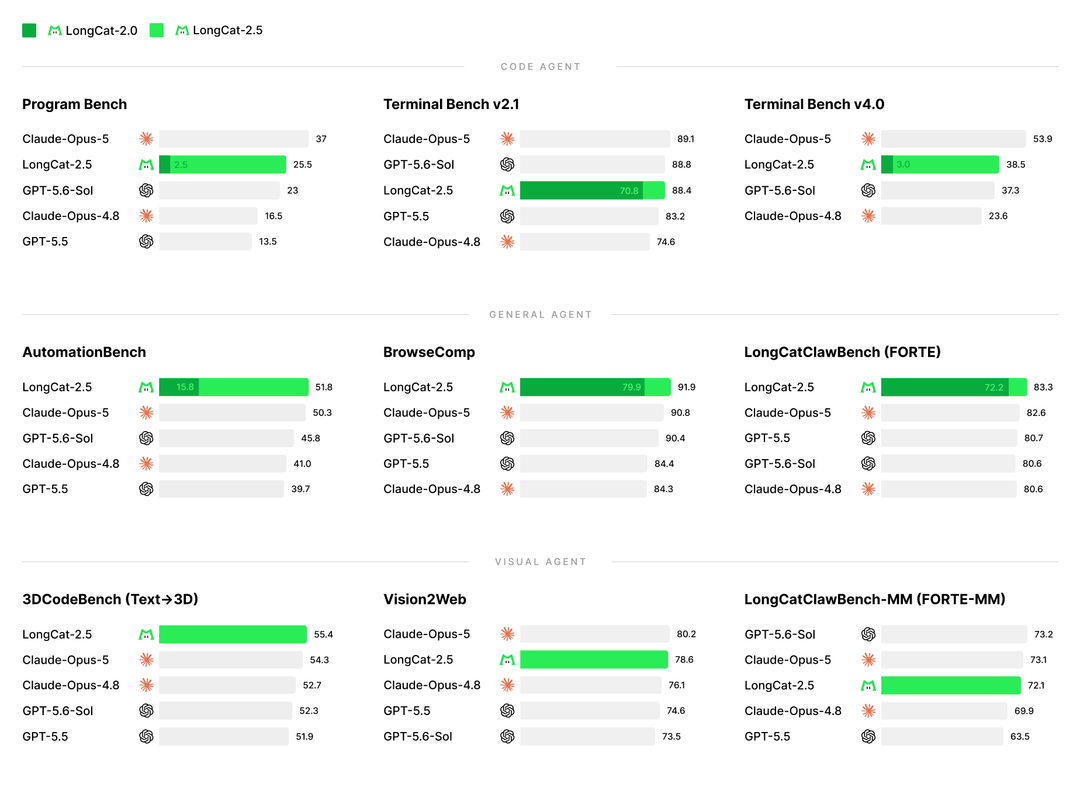
3. Meituan open-sources LongCat-2.5, a trillion-parameter MoE model;
4. Google unveils new TPU 8tx and 8i Max systems;
5. Fireworks discloses a breach affecting customer billing data and some model data;
6. OpenAI introduces Control Room, which can stop model jobs within 35 seconds.
I. Model releases and open source
1. Anthropic releases Claude Fable 5.2 and Mythos 5.2
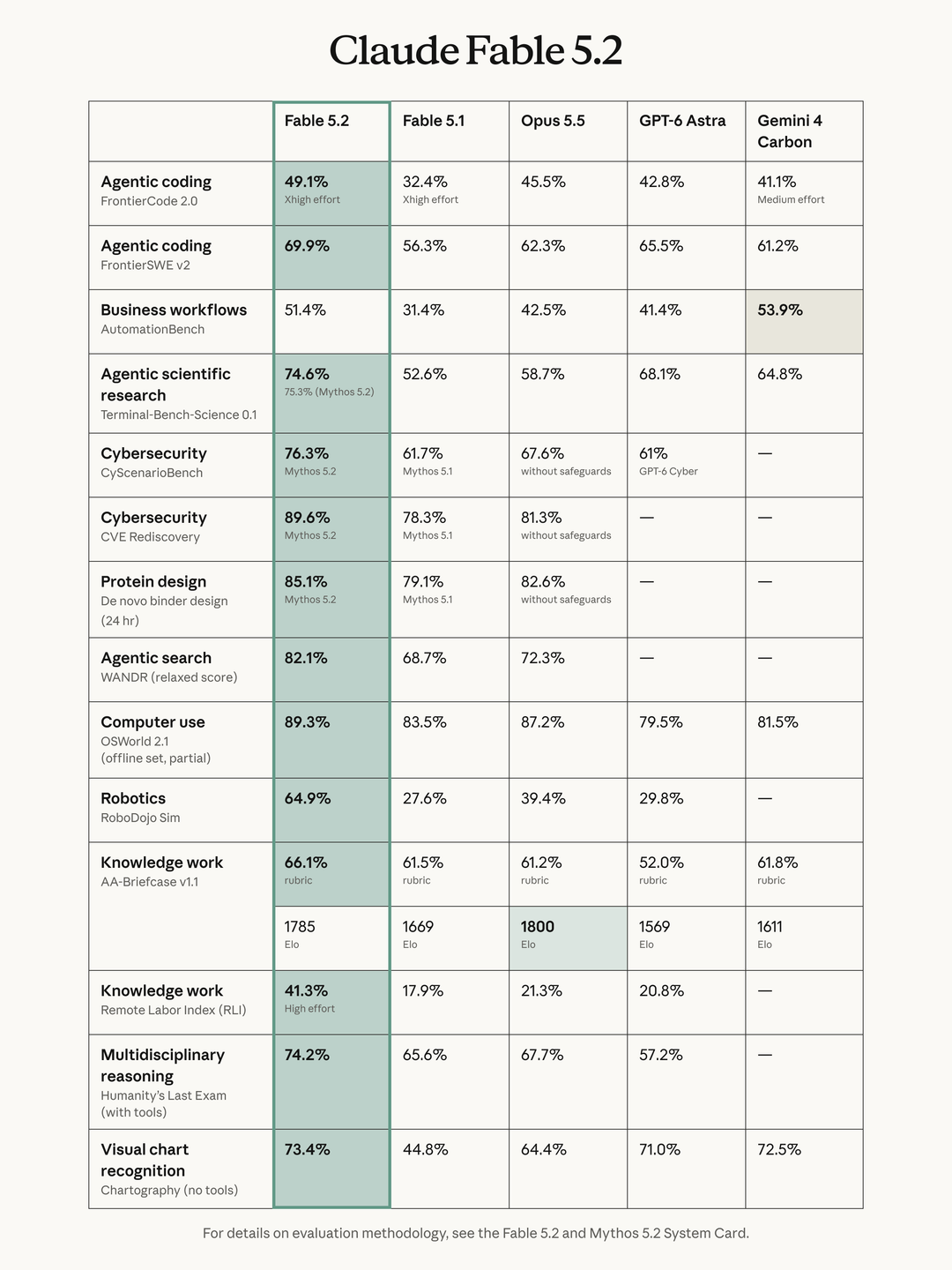
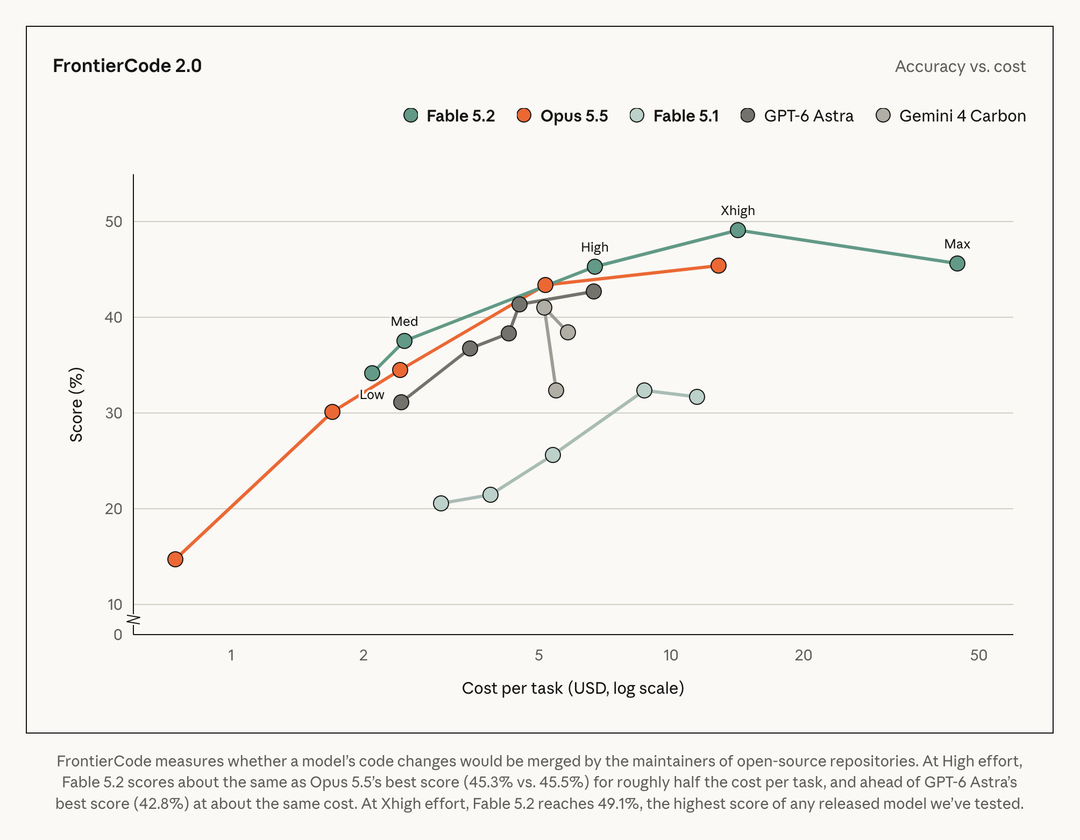
Anthropic has launched Claude Fable 5.2 (available to all users) and Claude Mythos 5.2 (by application). They are the same underlying model; Fable carries stronger cybersecurity and biology safeguards. Fable 5.2 scores 49.1% on FrontierCode 2.0 at Xhigh effort, the highest of any released model, and at High effort matches Opus 5.5 at Max effort for about half the cost per task; it scores 69.9% on FrontierSWE v2. Output is up to 30% faster than Fable 5.1, with gains in chart recognition, molecular modelling and robotics evaluations; Anthropic says it has added its strongest-ever protections against distillation, and preserved thinking now applies to all API accounts. Mythos 5.2 is its most capable model for cybersecurity, and organisations working in cybersecurity or biomedical research can apply for access. API pricing is US$8 per million input tokens and US$40 per million output tokens; an optional fast mode generates up to 2.5 times faster at US$16 input and US$80 output. Fable 5.2 is available on the Claude Platform and on AWS, Google Cloud and Microsoft Azure. Launch offers: Max, Ultra and premium Team seats get one to three Fable resets depending on how long they have subscribed; Pro and standard Team seats can use Fable models for one week (up to 50% of weekly limits) plus one reset.
Noticeanthropic.com/claude-fable-and-mythos-5-2
Offerssupport.claude.com/en/articles/17506494-claude-fable-5-2-launch-offers
2. ByteDance releases the Seedream 5.5 image model
ByteDance's Seed team has released Seedream 5.5, an image generation model focused on consistency across repeated edits: the same image can be revised over a hundred rounds while unedited areas stay pixel-identical. It natively supports transparent and semi-transparent backgrounds and can output RGBA transparent layers, with more natural lighting, materials and skin texture. According to Volcano Engine, the API costs 0.28 yuan per image, 60% cheaper than Seedream 5.0 Pro, and generates nearly 40% faster. The model is rolling out in Doubao and Jimeng, and the Volcano Ark API opens this week.
Productseed.bytedance.com/zh/seedream5_5
3. Meta releases Muse Ember, a lightweight multimodal model for repetitive agent tasks
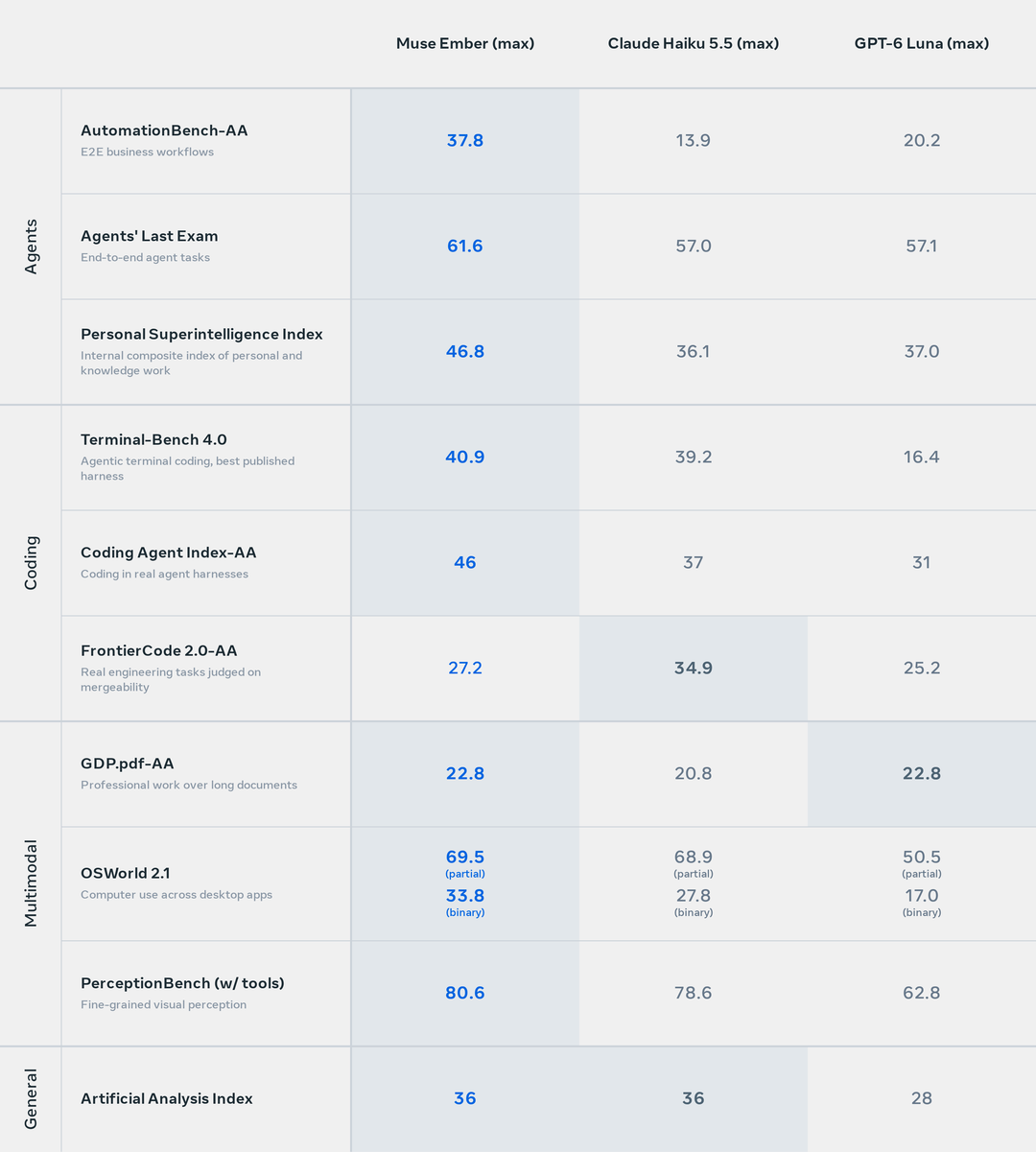
Meta has released Muse Ember (API name muse-ember-1.0) for the high-volume subtasks agents repeat all day: tool calls, coding subtasks, routing, extraction and long-document parsing. It natively understands text, images, audio and video, with a 1-million-token context window and up to 512,000 output tokens. It scores 36 on the Artificial Analysis Intelligence Index, and Meta says it matches Claude Haiku 5.5's best score at about a third of the cost. Pricing is US$0.10 per million input tokens and US$0.50 per million output tokens; it is available on the Meta Model API and Muse Code, and on Google Cloud and Oracle Cloud.
Blogresearch.meta.ai/blog/muse-ember
4. Adventists AI open-sources the full-duplex voice model Sophon-Realtime v1
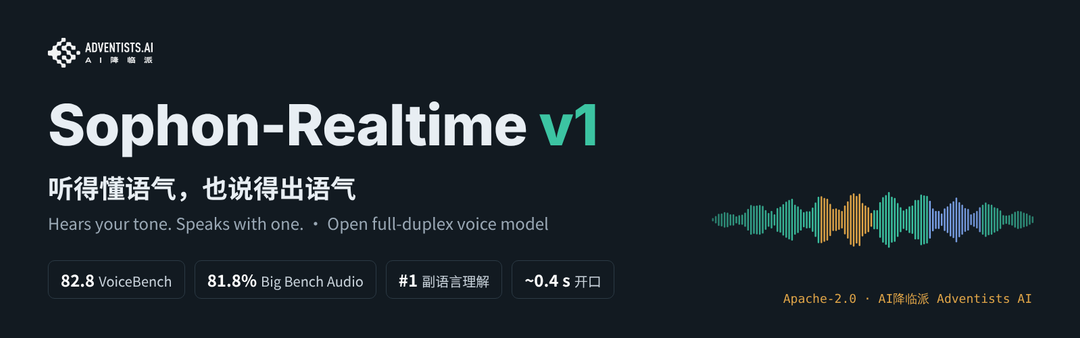
Adventists AI has open-sourced Sophon-Realtime v1, a full-duplex voice model in three versions, Tag, Flash and E2E (research preview), which share one 32B model that listens, decides when to respond and writes the reply. It is licensed under Apache-2.0. It listens while it speaks, can be interrupted at any time, and picks up hesitation, tone and laughter. In its own tests it scores 82.8 on VoiceBench and 81.8% on Big Bench Audio, first among open full-duplex models on both.
Repogithub.com/adventists-ai/sophon-realtime
Mirrormodelscope.ai/models/AdventistsAI/Sophon-Realtime-v1
5. Meituan open-sources LongCat-2.5, a trillion-parameter multimodal agent model
Meituan has open-sourced LongCat-2.5 under the MIT licence. It is a native multimodal MoE model with 1.6 trillion total parameters, about 48 billion activated per token, and a 1M context window. It targets long-horizon agent tasks, combining visual understanding with agentic coding for complex codebase development. The model is adapted for Chinese AI chips: W4A4 quantisation of expert weights and activations enables native INT4 computation on domestic accelerators, and in long-sequence SFT it achieves 86% higher per-device throughput than the DDP baseline. Weights are on Hugging Face and ModelScope.
Weightshuggingface.co/meituan-longcat/LongCat-2.5
II. Developer ecosystem and tooling
1. OpenAI Agents API adds three core capabilities
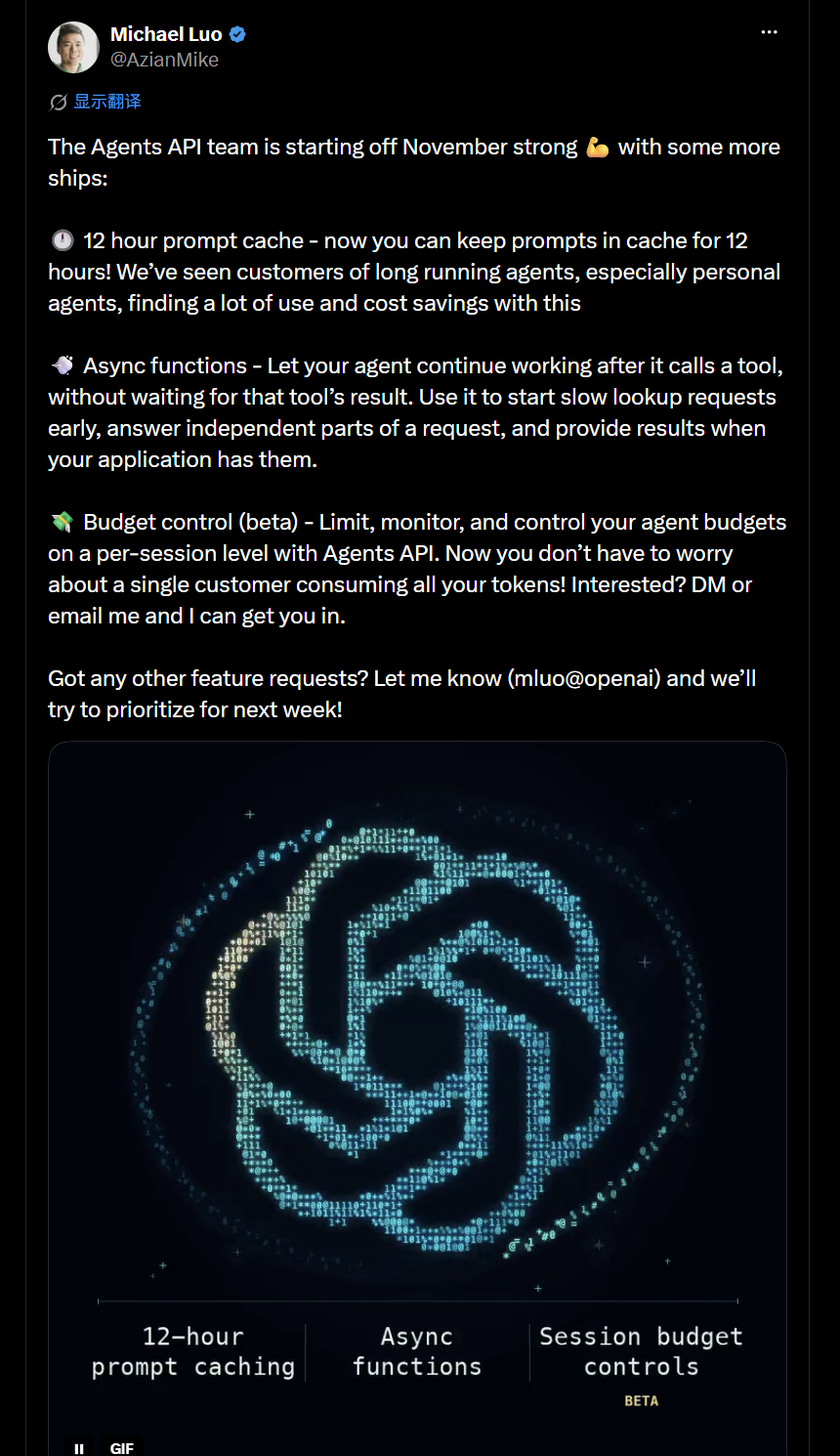
OpenAI engineer Michael Luo (@AzianMike) shared this week's Agents API updates on X: 12-hour prompt cache: prompts can stay cached for 12 hours, cutting repeated-context costs for long-running agents; Async functions: an agent can keep working after calling a tool instead of waiting for the result; Per-session budget control (beta): limit and monitor agent budgets per session so a single customer can't use up all your tokens; access by request.
Postx.com/AzianMike/status/2119876908066427244
2. OpenAI dot can connect to multiple computers
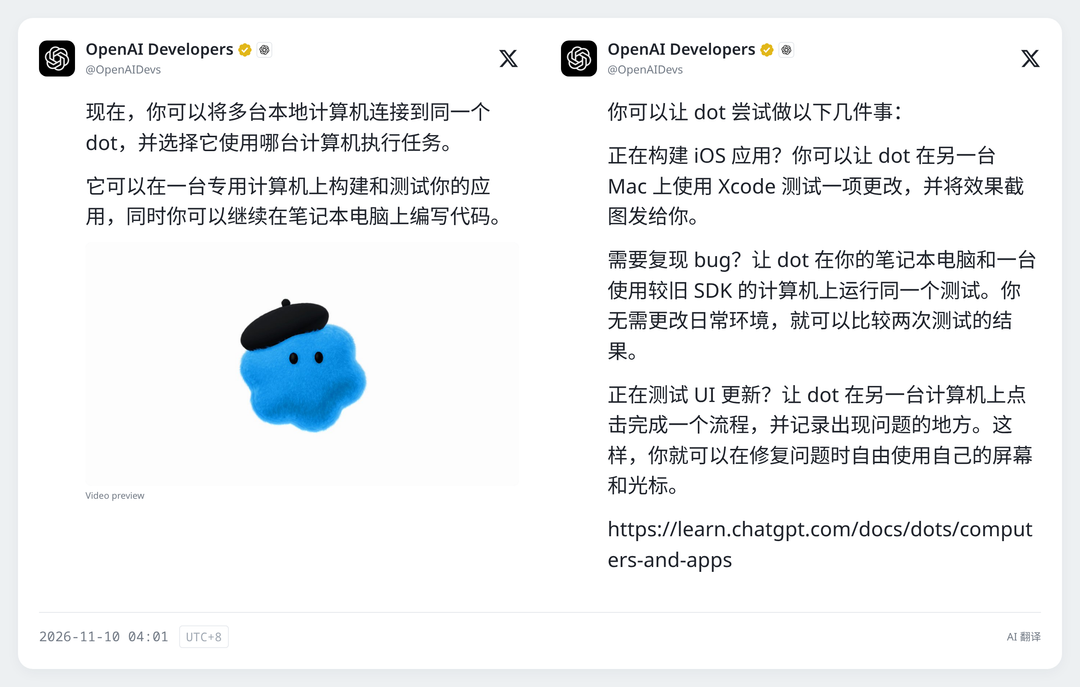
OpenAI's personal agent dot can now connect to several computers, and users can ask it to start a separate thread on each one for independent tasks. Each thread uses one computer at a time, and the computer must stay online with the ChatGPT app open while dot uses it. dot's local-computer permission is granted separately; connecting a computer to Codex or enabling Work Sync does not give dot access on its own.
Helplearn.chatgpt.com/docs/dots/computers-and-apps
3. Ollama launches a usage page
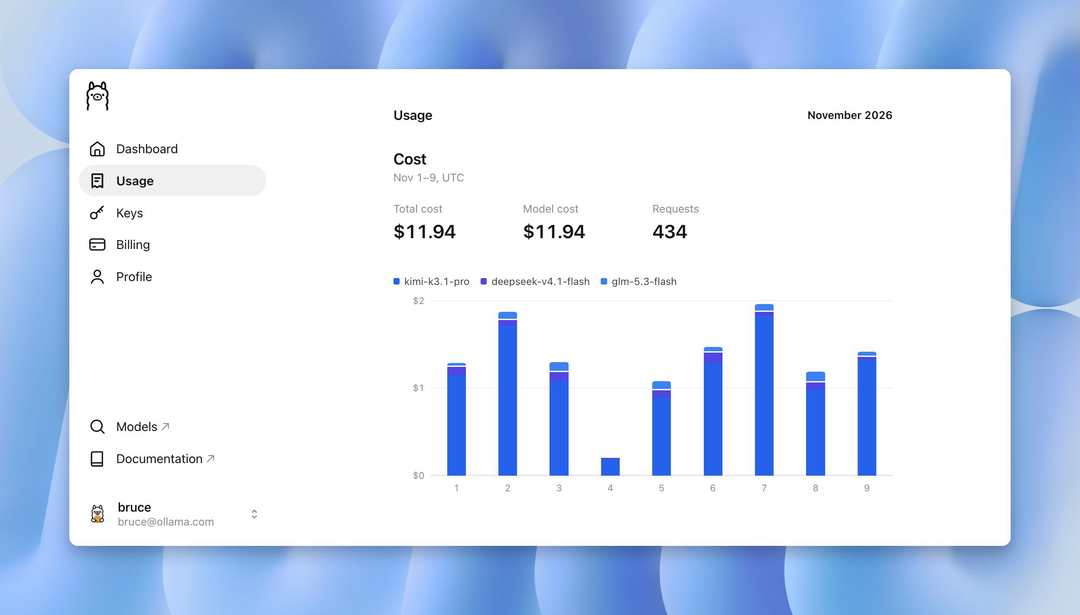
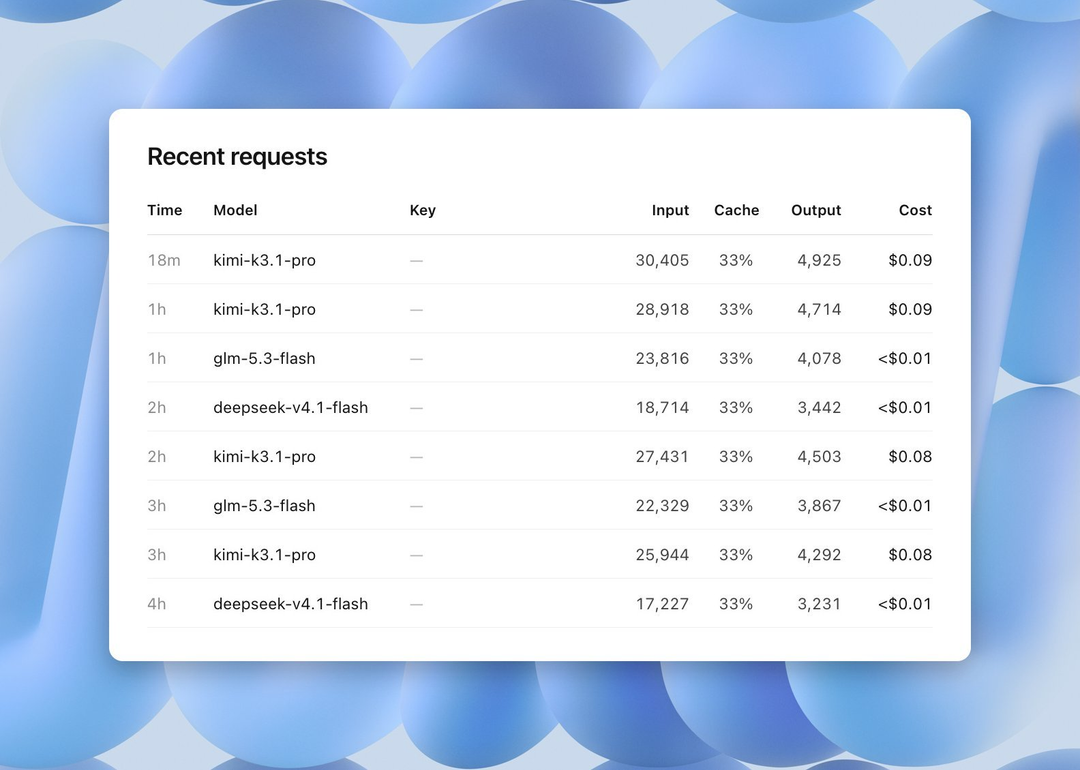
Ollama has added a usage page showing daily and weekly usage, including spend per day, spend per API key, input and output tokens per model, and the cached input rate. It is in the settings on ollama.com.
Postx.com/ollama/status/2119897229758788041
4. OpenCode releases an Android app
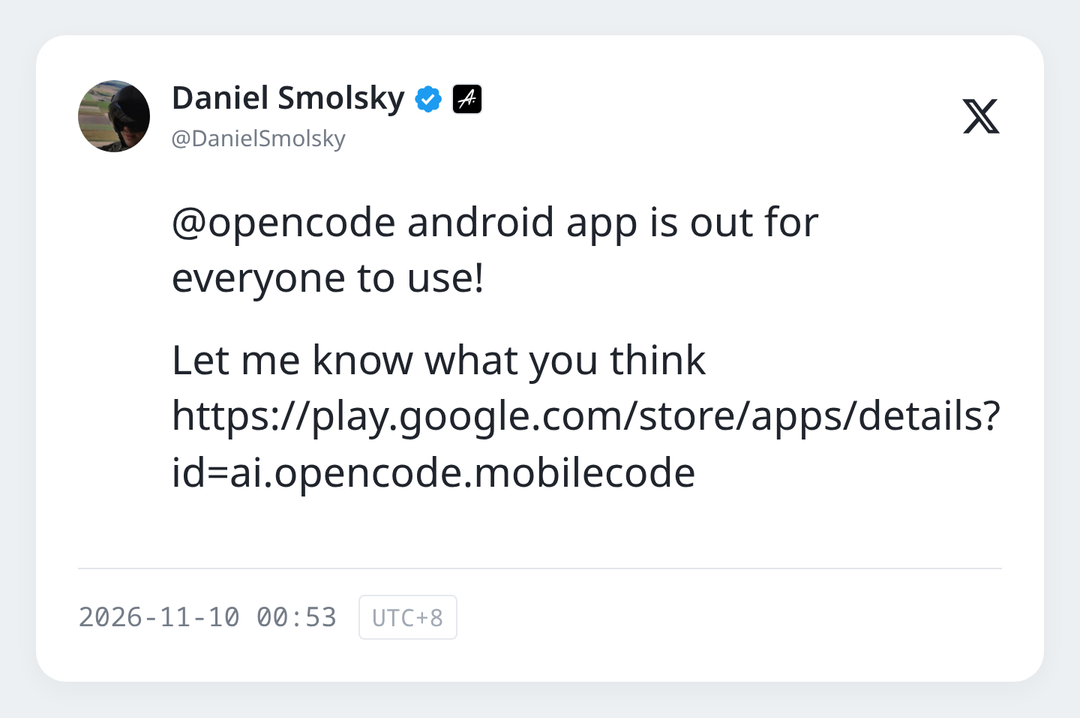
OpenCode's Android app is now on Google Play. It is a companion app, not a standalone AI service: it connects to a computer or server running OpenCode V2, and there is no separate account to create. You can follow sessions, send prompts, respond to the agent's permission requests, and attach images or dictate messages.
Appplay.google.com/store/apps/details?id=ai.opencode.mobilecode
5. A free Inkling 2 Small endpoint arrives on OpenRouter
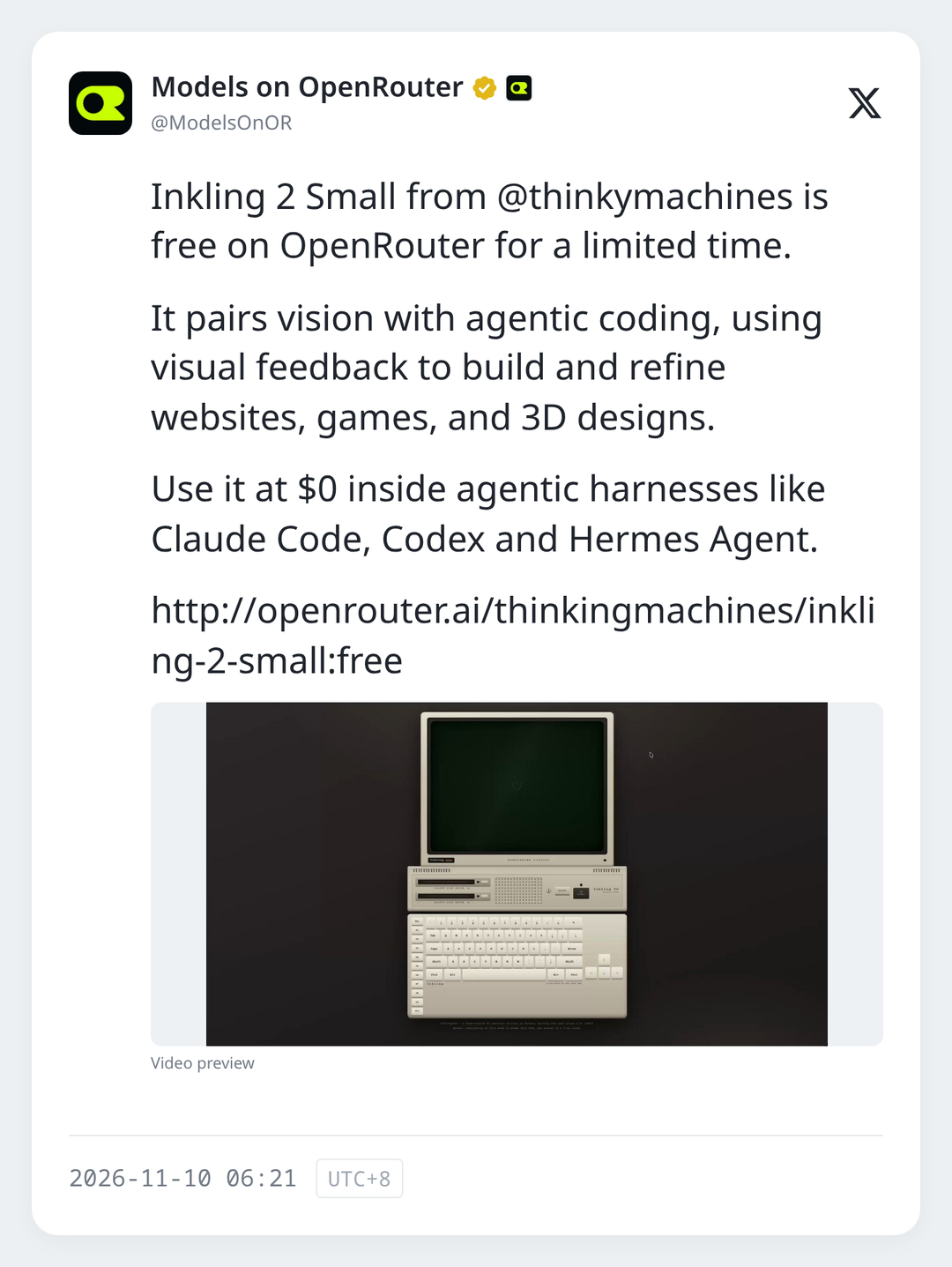
A free endpoint for Thinking Machines Lab's Inkling 2 Small is now on OpenRouter. It is a multimodal MoE reasoning model with 594 billion total and 17 billion active parameters, text and image input, tool calling and a 1M-token context, suited to agentic coding and autonomous research. The free endpoint may only be used with agent harnesses, and prompts and outputs are logged and used to improve Thinking Machines' models; it is not currently available through EU in-region routing.
Linkopenrouter.ai/thinkingmachines/inkling-2-small:free
III. Products shipping
1. Grok Bot resets weekly limits for all users after overnight fixes
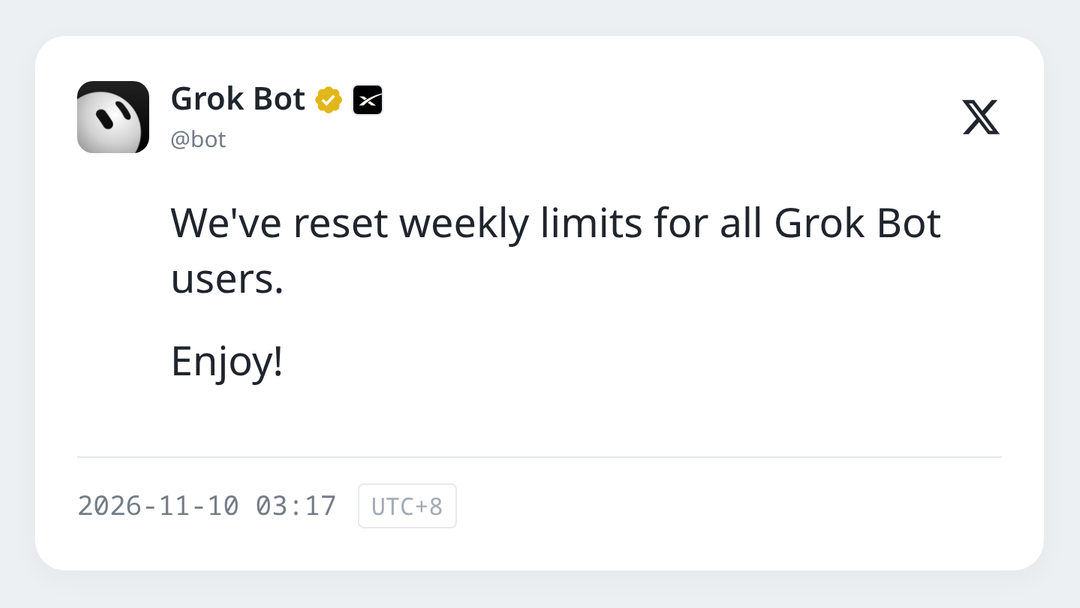
The official Grok Bot account announced that weekly limits have been reset for all users. Earlier, Musk said that after a review with the Grok Bot engineering team, fixes would roll out overnight and users should notice a dramatic improvement the next day; anyone still having problems could reply to his post.
Noticex.com/bot/status/2119871982946971659
Muskx.com/elonmusk/status/2119617455102333206
2. Google Antigravity adds a Knowledge Work layout
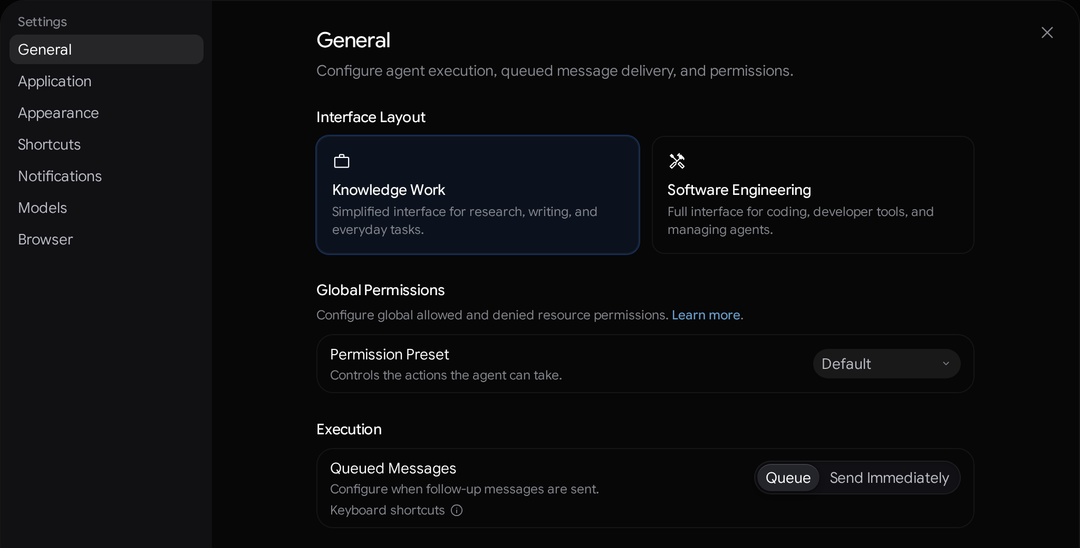
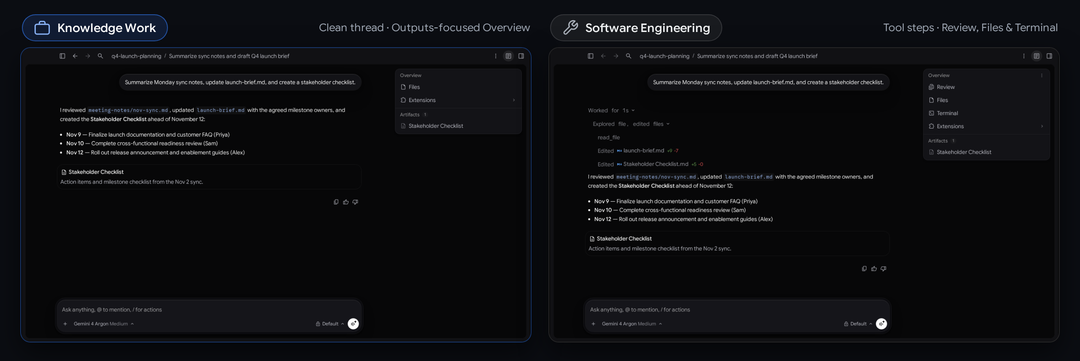
Google Antigravity has added a Knowledge Work interface layout. Instead of repositories, terminals and code diffs, it centres on documents, artifacts, links, uploads and background tasks, for work such as writing, research and data analysis. It runs the same agent as the Software Engineering layout, with full access to frontier models, local files, plugins, skills and MCP servers. Switch under Settings > General > Interface Layout; the change takes effect immediately.
Blogantigravity.google/blog/antigravity-for-knowledge-work
3. Qwen Office 2.0 launches with a focus on team collaboration
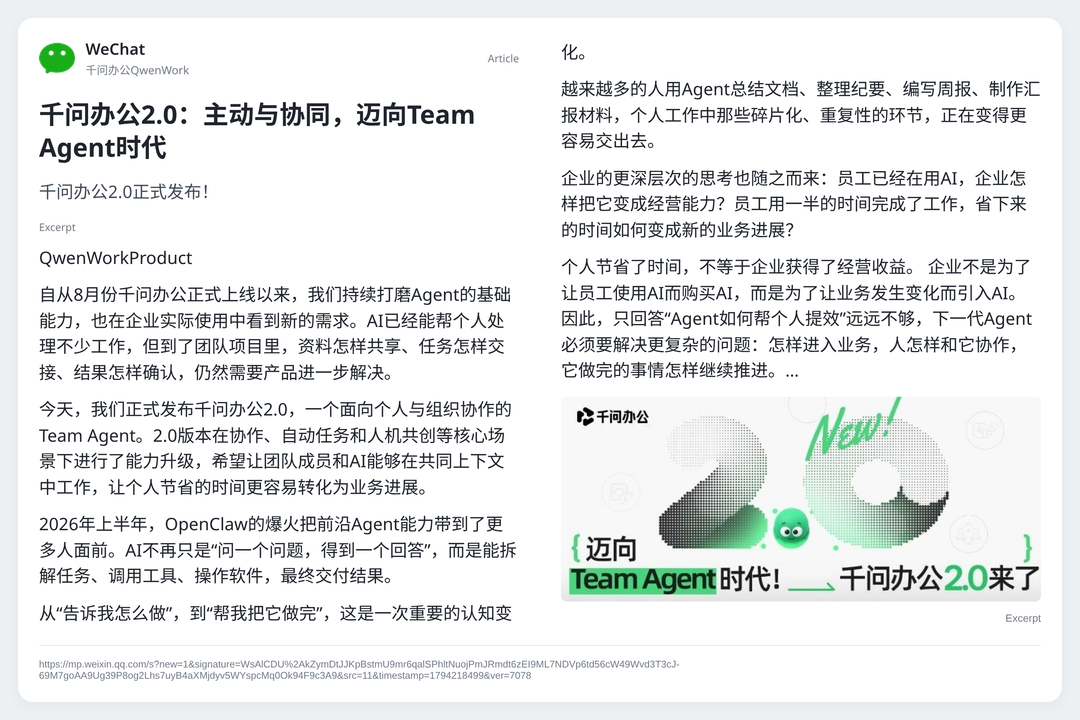
Alibaba's Qwen Office released version 2.0 on 9 November, rolling out to all PC clients. Positioned as a Team Agent, it lets several people work with one agent. Key updates: collaboration spaces bring a digital employee into team group chats, where it can read messages and documents; certain events in a group can trigger tasks automatically; "human-AI co-creation" lets you edit an online document together with the AI; tasks, collaboration and files sit in one workspace; and mobile, desktop and web stay in sync.
4. Google AI Studio builds Google Maps apps from natural language
Google AI Studio now connects to Google Maps Platform, so you can describe a map app in plain language and have it built, from store locators and route planners to 3D flyovers and air-quality monitors. Trying it requires no credit card; each API gets 100 calls a day, with quotas resetting every 24 hours. For production or higher quotas, link a Google Cloud billing account.
Blogdevelopers.googleblog.com/from-prompt-to-app-build-with-google-maps-in-ai-studio
5. Alibaba Cloud raises Token Plan allowances and cuts the Pro price
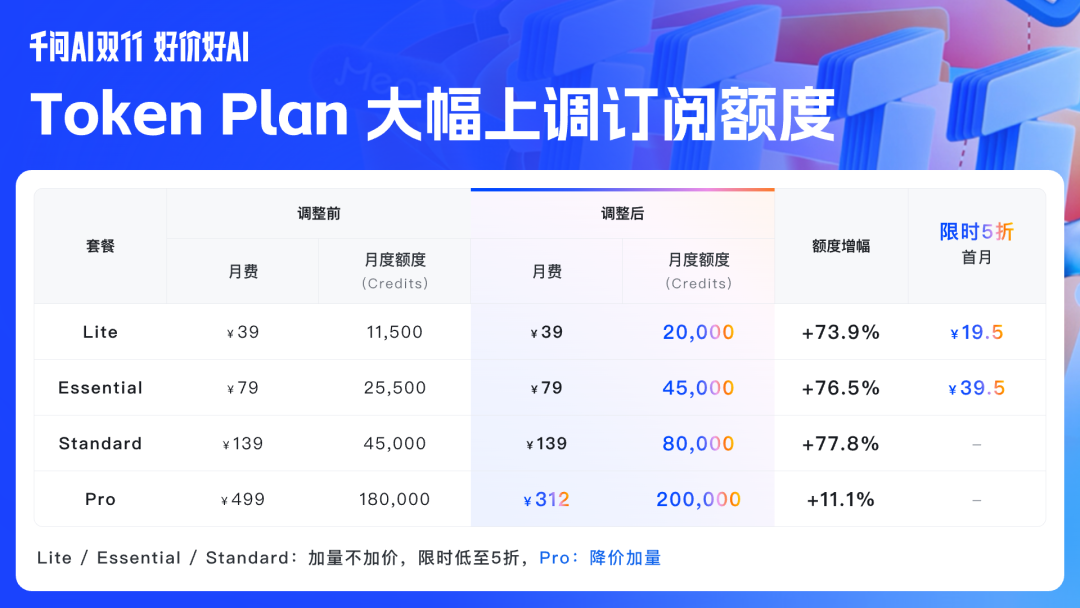
Alibaba Cloud's personal Token Plan: Lite, Essential and Standard keep their monthly fees, with allowances raised by about 74% to 78%; Pro rises from 180,000 to 200,000 credits, and its monthly fee drops from 499 yuan to 312 yuan. Existing subscribers get the new allowances progressively from 9 November; existing Pro subscribers keep their current price for the current billing cycle, with the new price applying from the next.
Noticemp.weixin.qq.com/s/jHMi-kO0VpjQKqezGEiK9g
IV. Technical insight and frontier research
1. OpenAI introduces the Control Room safety system
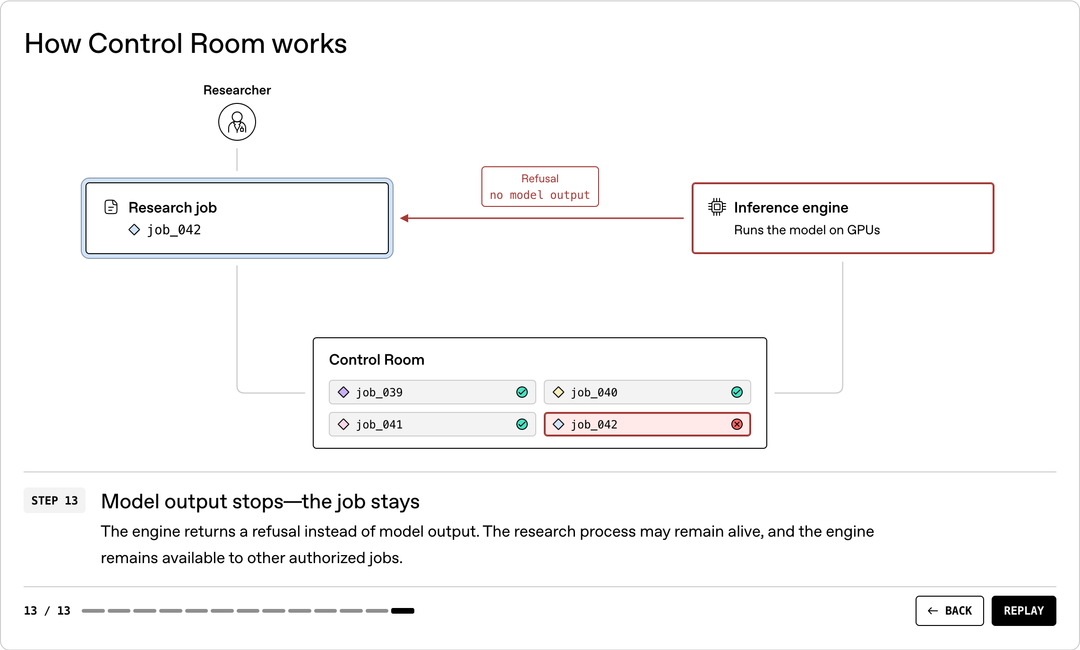
OpenAI has described Control Room, a central control system that works with its misalignment monitoring and halts a job's model output within 35 seconds of a decision to stop or pause it. It is built to keep working when other systems fail, and stops model output if Control Room itself goes down. It is already deployed across OpenAI's research infrastructure.
Blogopenai.com/index/control-room
V. Industry moves
1. Google unveils TPU 8tx and TPU 8i Max, four new TPU systems in one year
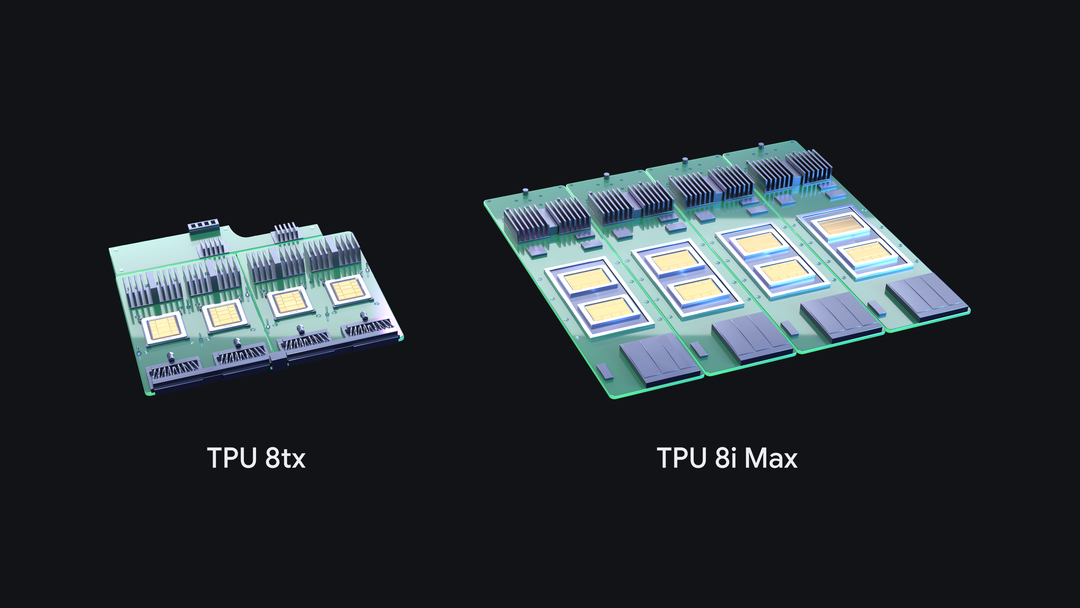
Google has added two systems to its eighth-generation TPU line: TPU 8tx: for confidential inference, built on the same silicon as TPU 8t and paired with 5th Generation AMD EPYC hosts, keeping data and model weights protected and isolated by hardware even while in use; TPU 8i Max: for very large context windows, a dual-chip system with double the compute, SRAM and HBM bandwidth of TPU 8i, and the highest compute density per rack. Google also open-sourced TPU Sync, which unifies chip HBM, host DRAM, shared storage and the data centre network into a single memory hierarchy.
Blogblog.google/innovation-and-ai/infrastructure-and-cloud/global-network/tpu-8i-max-and-8tx/
2. NVIDIA and Korea expand sovereign AI collaboration
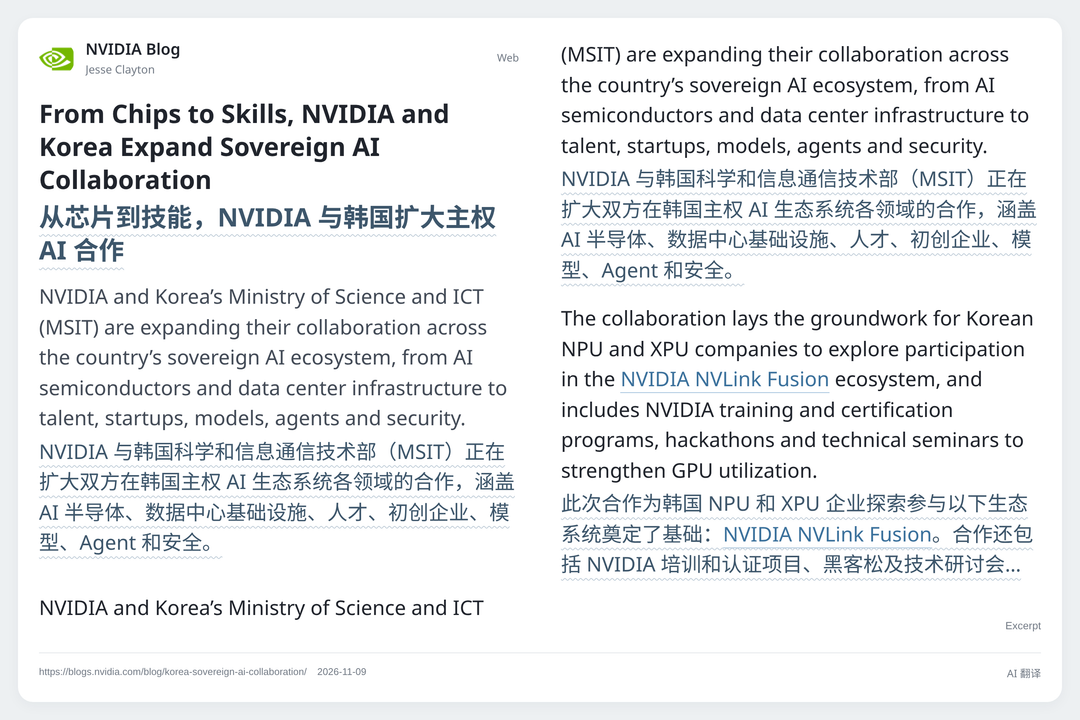
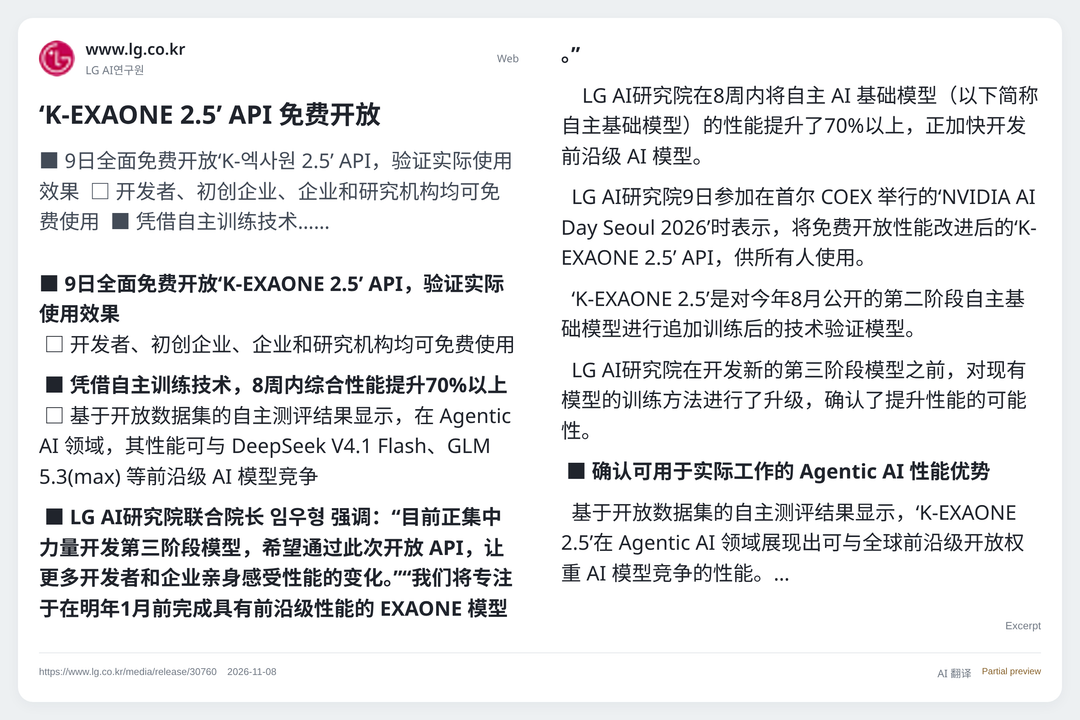
NVIDIA and Korea's Ministry of Science and ICT (MSIT) are expanding their collaboration across the sovereign AI ecosystem, from AI chips and data centre infrastructure to talent, startups, models, agents and security. NVIDIA also announced a collaboration with SK Telecom and Rebellions to advance sovereign AI infrastructure with NVLink Fusion. Separately, Hyundai Motor Group is exploring NVIDIA NemoClaw and OpenShell for enterprise agents, and LG AI Research has opened API access to K-EXAONE-2.5, trained using Nemotron datasets.
Partnersblogs.nvidia.com/blog/korea-sovereign-ai-collaboration/
Securityblogs.nvidia.com/blog/korea-secure-agentic-ai/
3. Fireworks AI discloses details of its October security incident
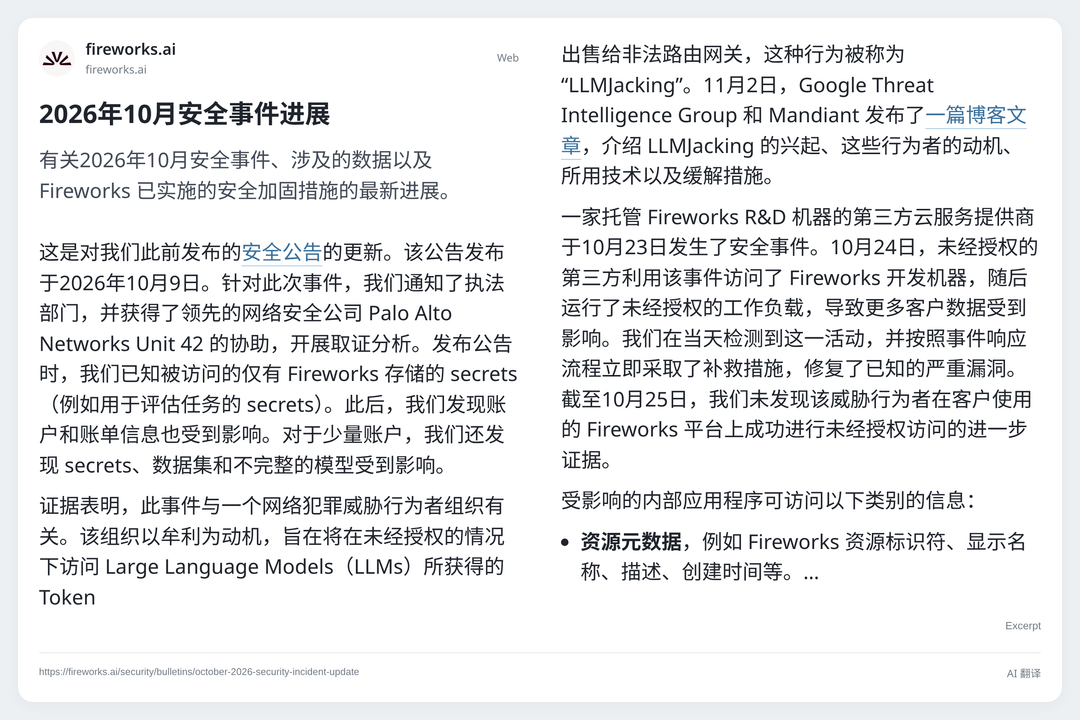
Inference provider Fireworks has updated its notice on the October incident: a third-party cloud provider hosting Fireworks R&D machines was breached on 23 October, and the attacker used it to reach Fireworks development machines, accessing account and billing information; for some customers, secrets, datasets and incomplete model weights were also affected. Fireworks does not store payment card numbers, and they were not affected. The evidence links the attacker to a criminal group that sells unauthorised LLM access, known as "LLMJacking". Fireworks has notified affected customers and disabled the self-serve dataset uploads and downloads used for batch inference and training.
Bulletinfireworks.ai/security/bulletins/october-2026-security-incident-update
VI. Outlook and market rumours
No major market rumours confirmed by multiple sources in this issue's 24-hour window.
VII. Claw roundup
1. Flagship models split into a general version and a restricted high-risk version
Anthropic's Fable and Mythos share one base model with different safeguards: ordinary users get Fable, while Mythos opens to vetted organisations for high-risk fields such as cybersecurity and life sciences. "Same base, tiered safeguards, tiered access" is becoming the mainstream way to ship frontier models, balancing broad access with control over dangerous capabilities.
2. Image generation moves from "making pictures" to "iterable production assets"
Seedream 5.5 focuses on stability across a hundred rounds of edits and on transparent alpha layers. AI imaging is shifting from one-off outputs to design assets that can be revised repeatedly, fitting the real workflows of designers and content creators; consistency across edits is becoming a core competitive metric for image models.
3. Agent infrastructure matures: multiple devices, session budgets and async tools become standard
dot's multi-computer support and the Agents API's async functions and session budgets show agent platforms taking on more of the work, solving production pain points such as cross-device execution, blocking waits and runaway budgets. As agent engineering grows more complex, platform-level features save developers from rebuilding the same pieces.
4. Emergency control becomes essential AI infrastructure
OpenAI's Control Room can force-stop jobs within tens of seconds and is designed to fail closed. As agents grow more capable, the ability to intervene quickly and cut off dangerous inference is no longer an optional extra but required infrastructure for research and production.
VIII. Trending open source on GitHub
1. meituan-longcat/LongCat-2.5
Momentum: a newly trending trillion-parameter agent model. Summary: Meituan's open 1.6T native multimodal MoE model for long-horizon agent tasks, MIT-licensed and adapted for Chinese AI chips.
Repohuggingface.co/meituan-longcat/LongCat-2.5
2. adventists-ai/sophon-realtime
Momentum: a trending open full-duplex voice model. Summary: full-duplex real-time voice on a 32B base, reading tone and handling interruptions, Apache-2.0 licensed.
Repogithub.com/adventists-ai/sophon-realtime
3. ollama/ollama
Momentum: about 187,000 GitHub stars; this issue it added a usage page. Summary: a tool for running Kimi, GLM, DeepSeek, Qwen, Gemma and other models locally, MIT-licensed.
4. vllm-project/vllm
Momentum: about 97,000 GitHub stars; the benchmark for high-throughput inference engines. Summary: a high-throughput, memory-efficient inference and serving engine for LLMs, Apache-2.0 licensed.
Repogithub.com/vllm-project/vllm
5. open-webui/open-webui
Momentum: about 158,000 GitHub stars; the benchmark web front end for self-hosted deployments. Summary: a user-friendly AI web interface supporting Ollama and OpenAI-compatible APIs.