1. OpenAI completes a Codex usage reset and adds compute, sharply reducing capacity-limit messages;
2. DeepSeek refunds seven days of API spending as credit after its outage;
3. Meta open-sources Muse Spark Open, an 816-billion-parameter multimodal model and the strongest US open-weight model to date;
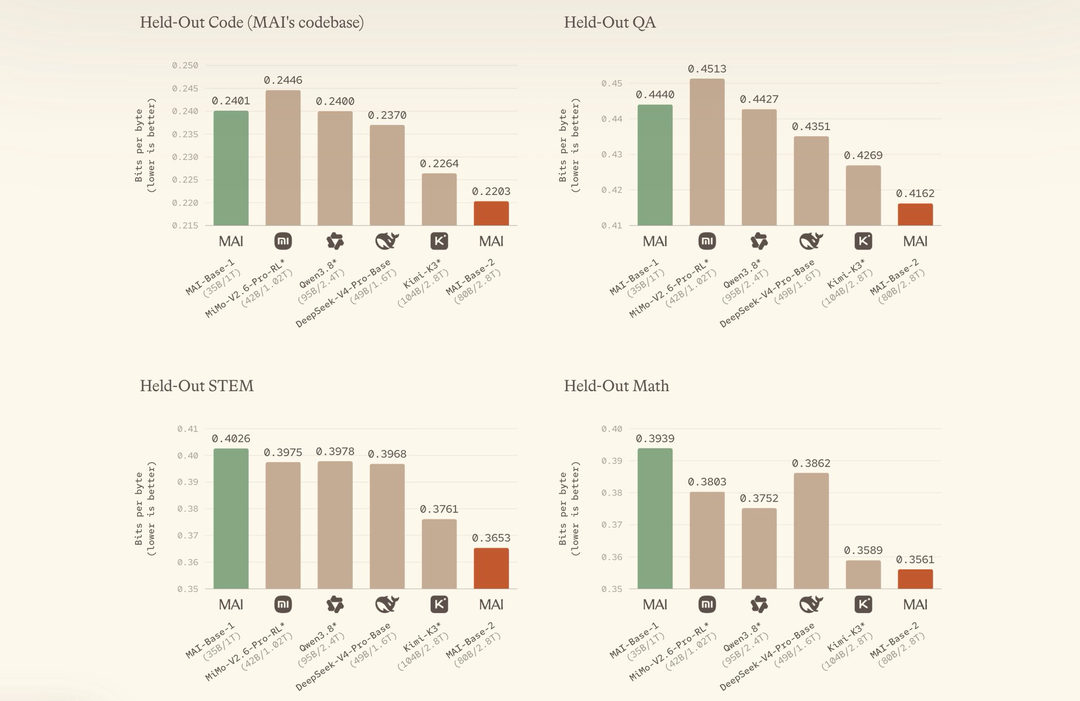
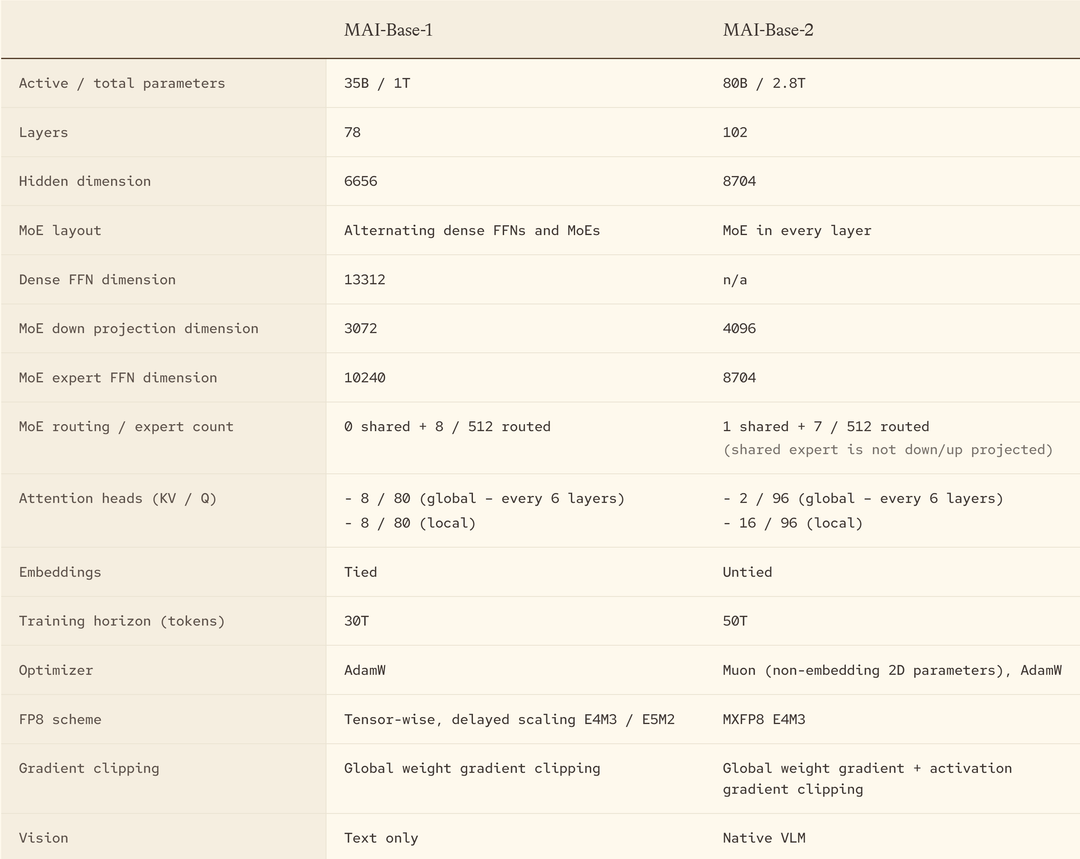
4. Microsoft finishes pre-training MAI-Base-2, a 2.8-trillion-parameter model trained 4.2–12.3 times more efficiently than DeepSeek V4 Pro;
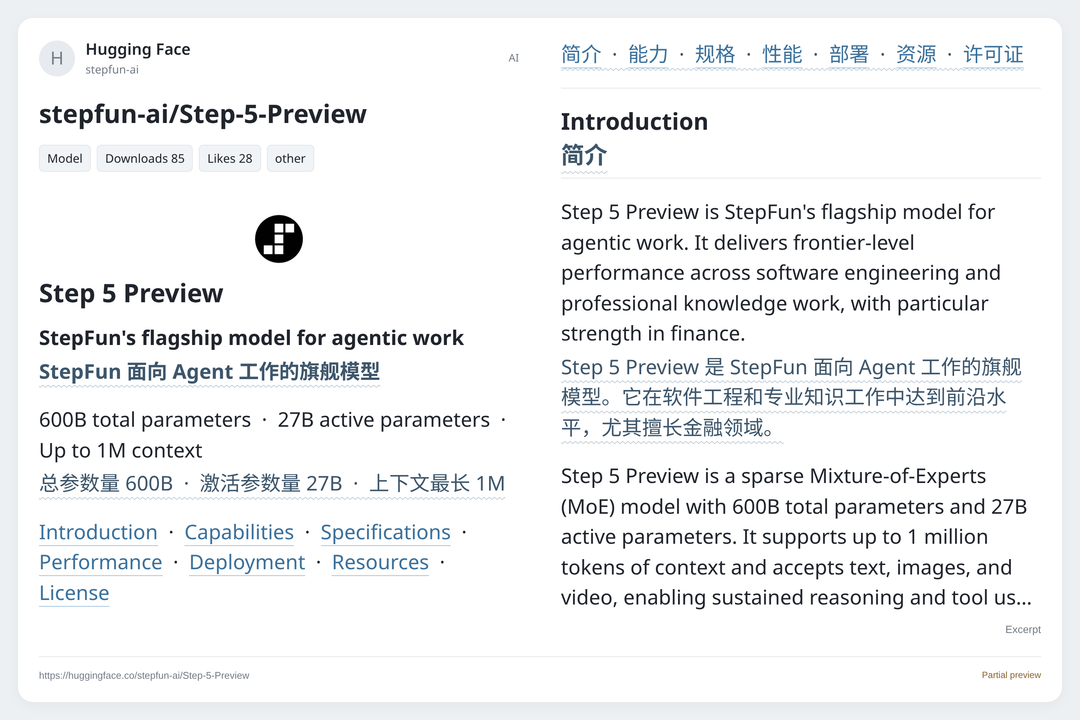
5. StepFun opens the weights of Step 5 Preview, a 60-billion-parameter MoE model built for long-horizon agent tasks;
6. Intern-S2 helps prove the three-dimensional Ghys conjecture, another AI-assisted advance in fundamental mathematics;
7. Anthropic gives METR employee-level access for internal evaluations and deliberately cuts revenue from distillation.
I. Model releases and open source
1. Meta releases Muse Spark Open, a multimodal open-weight model
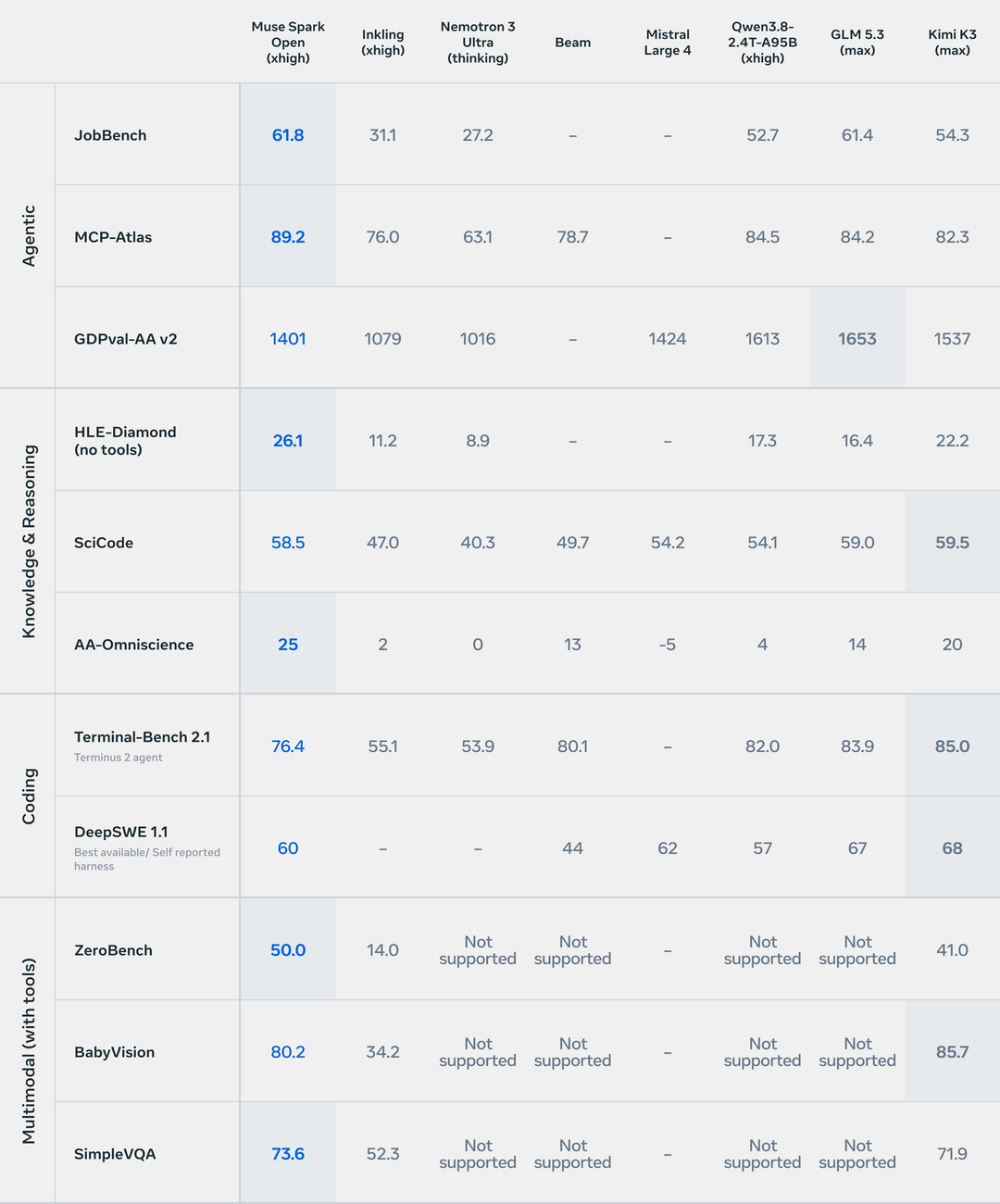
Meta has released Muse Spark Open, an open-weight model for coding and agent tasks that it calls the most capable US open-weight model to date. It has 816 billion total parameters with about 42 billion active per token, supports up to 1 million tokens of context, and accepts text, image, video and audio input with text output. Weights are on Hugging Face, with API access from Baseten, OpenRouter and others. Meta has added support for inference frameworks including SGLang, vLLM and MLX, and specifically optimised it to run locally on two M5 Ultra Mac Studios. It uses the Muse Model License, which has restrictions: most developers can use it free, while model providers above a revenue threshold need a separate licence.
Blog: https://research.meta.ai/blog/muse-spark-open Collection: https://huggingface.co/meta-models/Muse-Spark-Open-816B-A42B
2. FLUX 3 Image Klein released with open weights
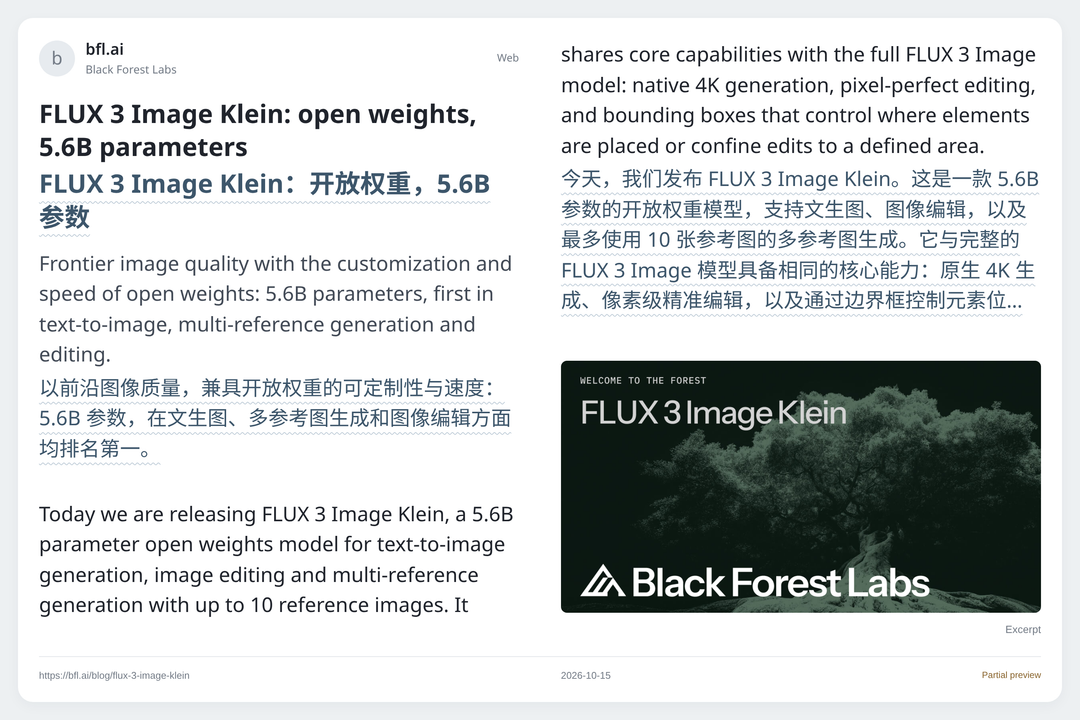
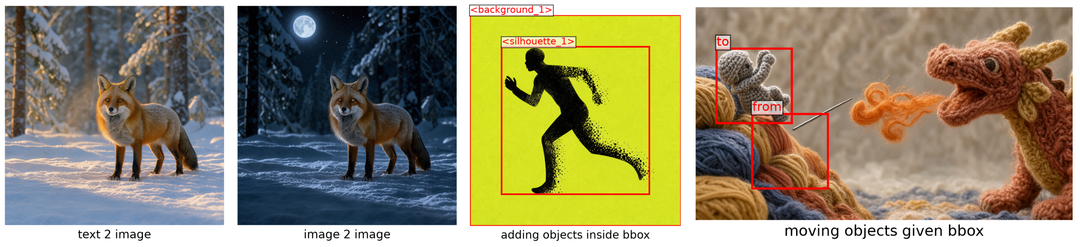
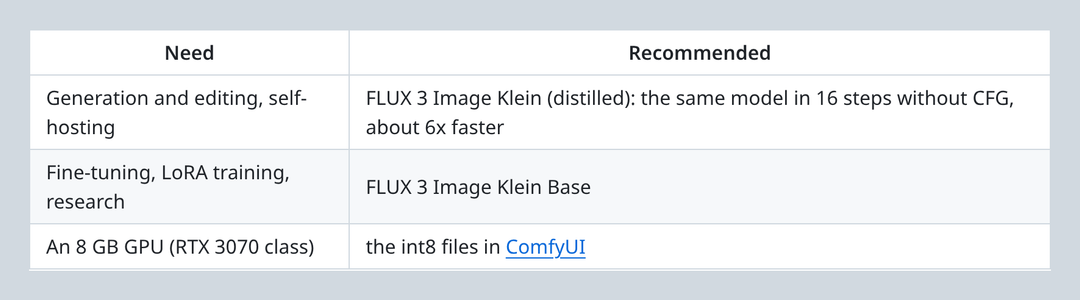
Black Forest Labs has released the FLUX 3 Image Klein image model with open weights, in a base version for fine-tuning and a low-latency distilled version for fast generation. The image transformer has 5.6 billion parameters, not counting a separate text encoder, and natively supports 4K generation, up to 10 reference images and bounding-box layout control. An INT8 quantised version runs through ComfyUI on consumer GPUs with 8 GB of VRAM, and the BFL API is available from US$0.009 per 1K image. BFL recommends pairing it with a prompt-expansion model; bounding boxes only guide position and size, and edits may still change content outside the box. The weights use the FLUX Kommunity License, which allows non-commercial use, with eligible commercial use governed by the licence terms.
Blog: https://bfl.ai/blog/flux-3-image-klein Weights: https://huggingface.co/black-forest-labs/flux-3-image-klein
3. Microsoft announces it has finished pre-training MAI-Base-2
Microsoft AI says it has finished pre-training MAI-Base-2, its in-house MoE foundation model with 2.8 trillion total parameters and 80 billion active, built natively as a VLM combining vision and language. In Microsoft's evaluations it beats every open-weight model tested on held-out sets for code, question answering, STEM and maths. Fitting to scaling laws, it reaches the same scores as DeepSeek-V4-Pro-Base with 4.2–12.3 times the FLOPs efficiency. The model is still being post-trained, with results due soon.
Blog: https://microsoft.ai/news/frontier-pre-training-at-microsoft-ai/ White paper: https://microsoft.ai/pdf/Frontier-Pre-training-at-Microsoft-AI.pdf
4. StepFun opens the weights of Step 5 Preview
StepFun has released BF16 and FP8 weights for Step 5 Preview along with a technical blog post, available on Hugging Face and ModelScope. The sparse MoE model has 60 billion total parameters with 27 billion active per token, supports up to 1 million tokens of context and natively accepts text and image input. It targets long-horizon agent tasks such as programming, software engineering, professional knowledge work and finance. It can be served as an OpenAI-compatible API with vLLM or SGLang, and is licensed under StepFun Model License 1.0, which includes attribution and commercial-use restrictions; the usable context length depends on the deployment configuration and KV cache allocation.
Repository: https://github.com/stepfun-ai/Step-5-Preview
5. PrismML releases the Bonsai 2 family of small models
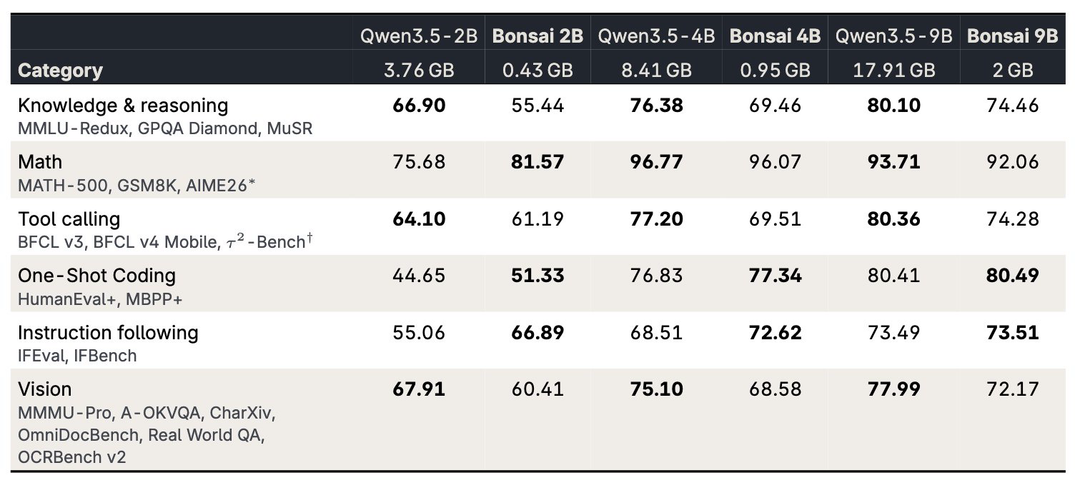
PrismML has released Ternary Bonsai 2, a family of small models based on Qwen3.5 in 2B, 4B and 9B sizes, with ternary weights encoded as -1, 0 and +1. They support reasoning, visual understanding and tool calling. The smallest packaged language model files are 0.43 GB, 0.95 GB and 2.00 GB; image input needs an additional vision module. The 9B version's default PQ2_0 package is about 2.42 GB, against about 17.9 GB for the FP16 language model. In PrismML's evaluations the 9B version roughly matches the full-precision baseline on instruction following and coding, with drops in other categories. The models come in GGUF and MLX formats, and running them locally requires a runtime that supports Bonsai 2.
Blog: https://prismml.com/news/bonsai-2-family Weights: https://huggingface.co/prism-ml/Ternary-Bonsai-2-9B-gguf
6. NVIDIA releases two Nemotron 3.5 models
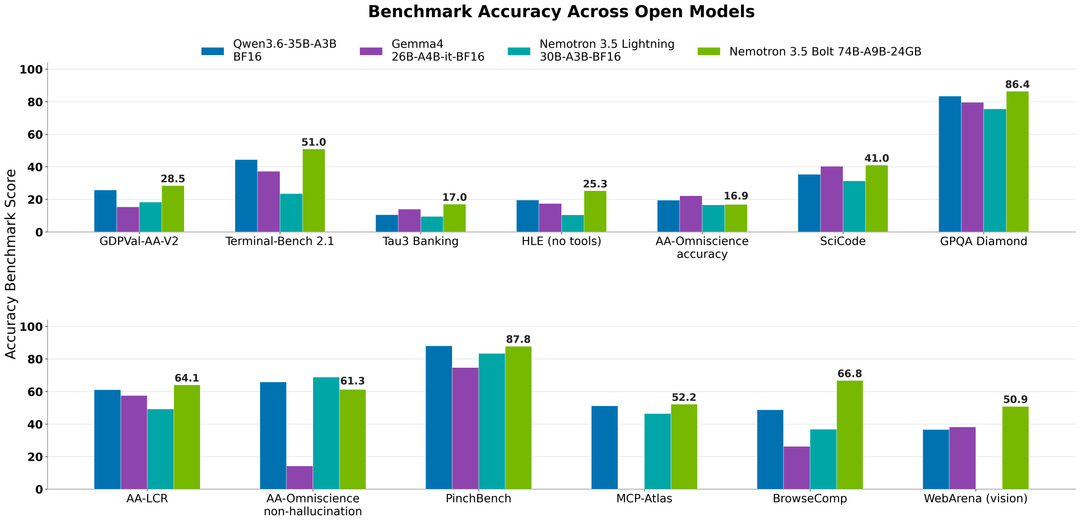
Nemotron 3.5 Bolt
NVIDIA has released Nemotron 3.5 Bolt 74B-A9B 24GB, a local model for agent tasks on RTX Spark and DGX Spark, with open weights on Hugging Face for commercial and non-commercial use. It has 74 billion total and 9 billion active parameters and supports text, image and video input, tool calling, web browsing and terminal operation. According to the technical report, a text serving configuration with batch size 1 and 128K context uses 23.83 GB of memory including the speculative decoding model, with another 1.68 GB for the vision encoder and projection layers. In NVIDIA's tests, with LiLiCorr speculative decoding it reaches about 84 tokens per second on RTX Spark in the AIPerf SPEED-Bench-Coding test.
Report: https://research.nvidia.com/labs/nemotron/Nemotron-3.5-Bolt-24GB/ Weights: https://huggingface.co/nvidia/NVIDIA-Nemotron-3.5-Bolt-74B-A9B-24GB
Nemotron 3.5 Super VL
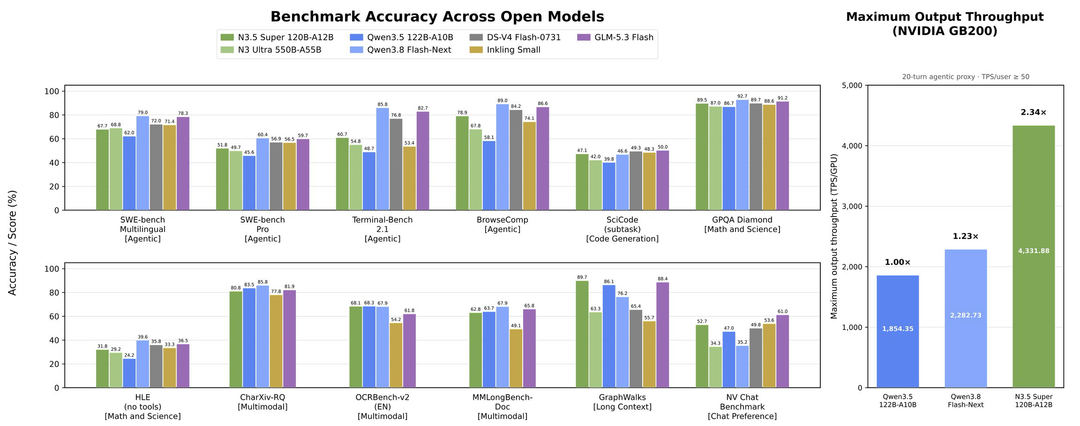
NVIDIA has released Nemotron 3.5 Super VL, an open multimodal model for long-running AI agents that understands and reasons over text, images, documents and video and supports tool calling. It has 120 billion total parameters with 12 billion active per token, supports up to 1 million tokens of context and outputs text. NVIDIA has released the weights, data and training recipe for commercial and non-commercial use, available through Hugging Face, OpenRouter, ModelScope and NVIDIA NIM. It is also live on Perplexity for Pro and Max subscribers and in its Agent API.
Blog: https://blogs.nvidia.com/blog/nemotron-3-5-super-vl/ Weights: https://huggingface.co/nvidia/NVIDIA-Nemotron-3.5-Super-VL-120B-A12B-BF16
7. Mistral releases the Timestral time-series model family
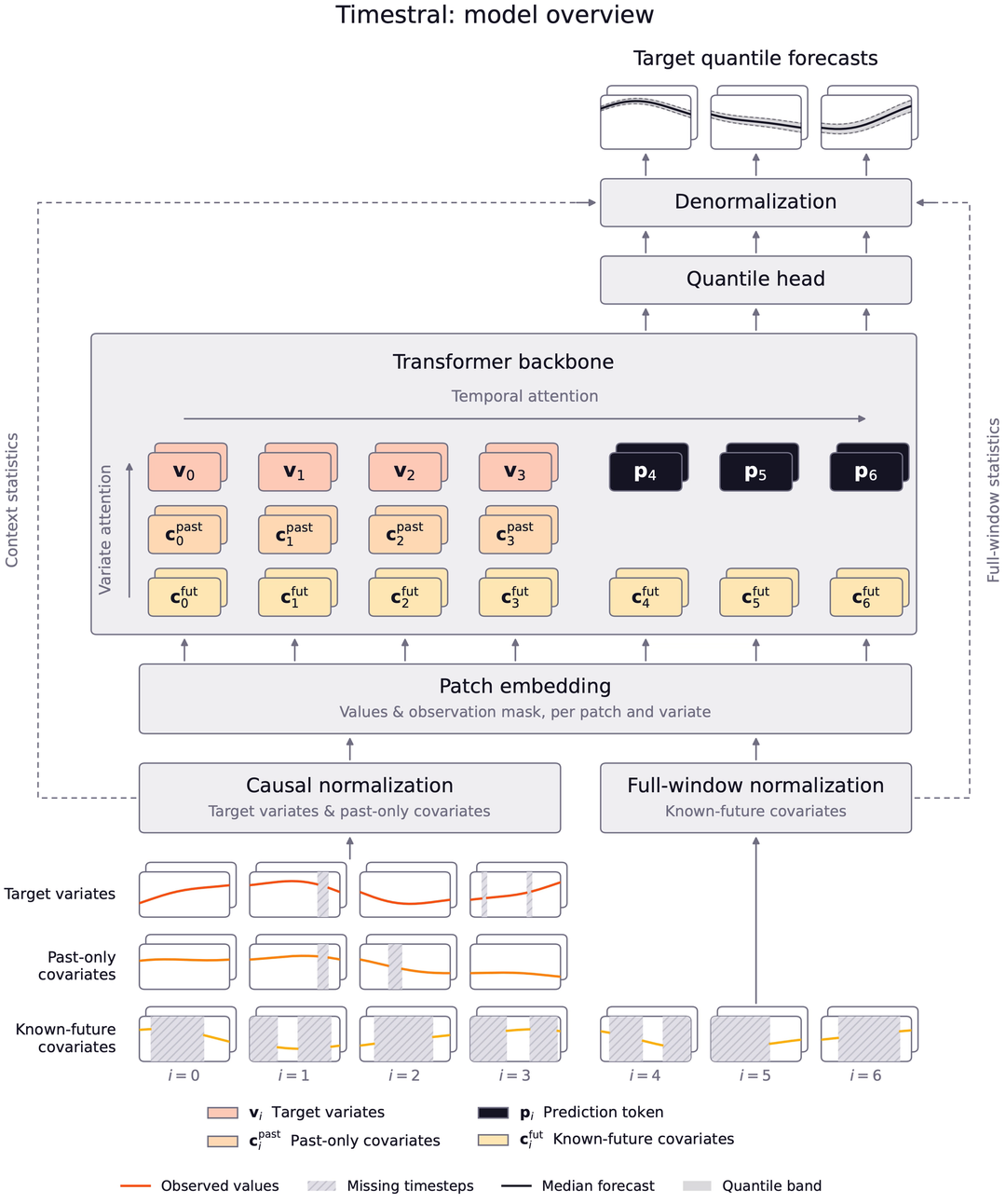
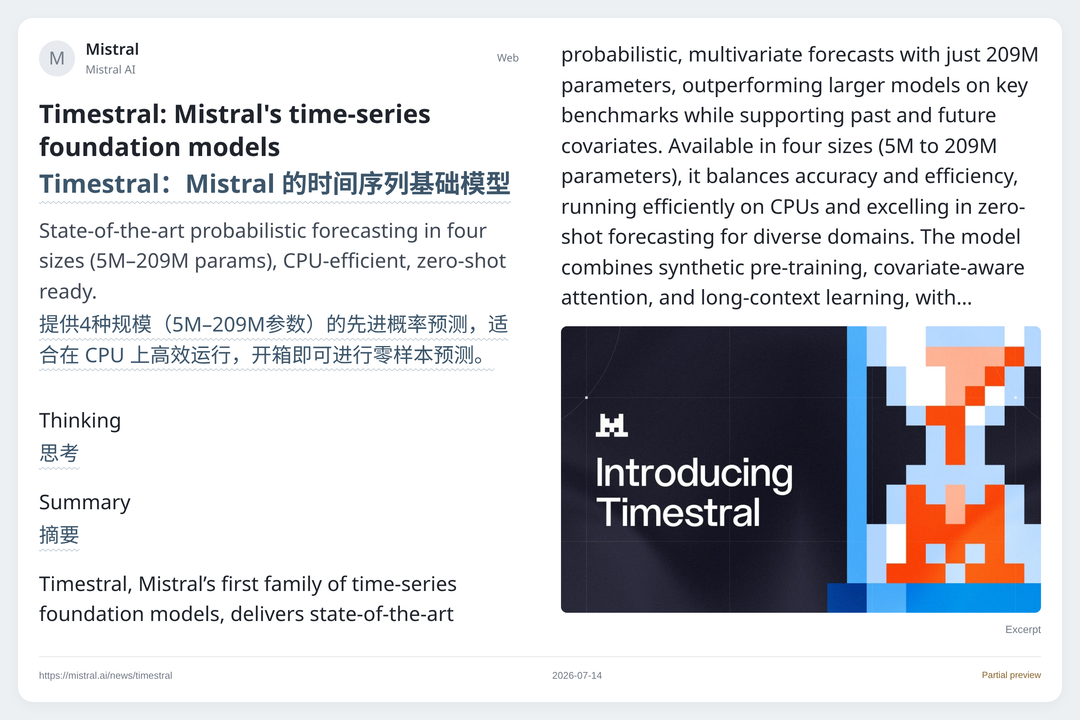
Mistral AI has released Timestral, a family of time-series foundation models, with open weights and source code in four sizes: 5 million, 28 million, 123 million and 209 million parameters. The models forecast zero-shot, predicting future trends from historical data without retraining on new data. They can forecast several related variables jointly and use historical or known future covariates. They accept up to 32,768 historical time steps and output 21 quantiles per time step to show forecast uncertainty, and run on CPU or GPU. The source code is Apache 2.0-licensed and the weights use a Modified MIT licence.
Announcement: https://mistral.ai/news/timestral Repository: https://github.com/mistralai/timestral
8. IBM releases Granite Switch 4.1, a modular model
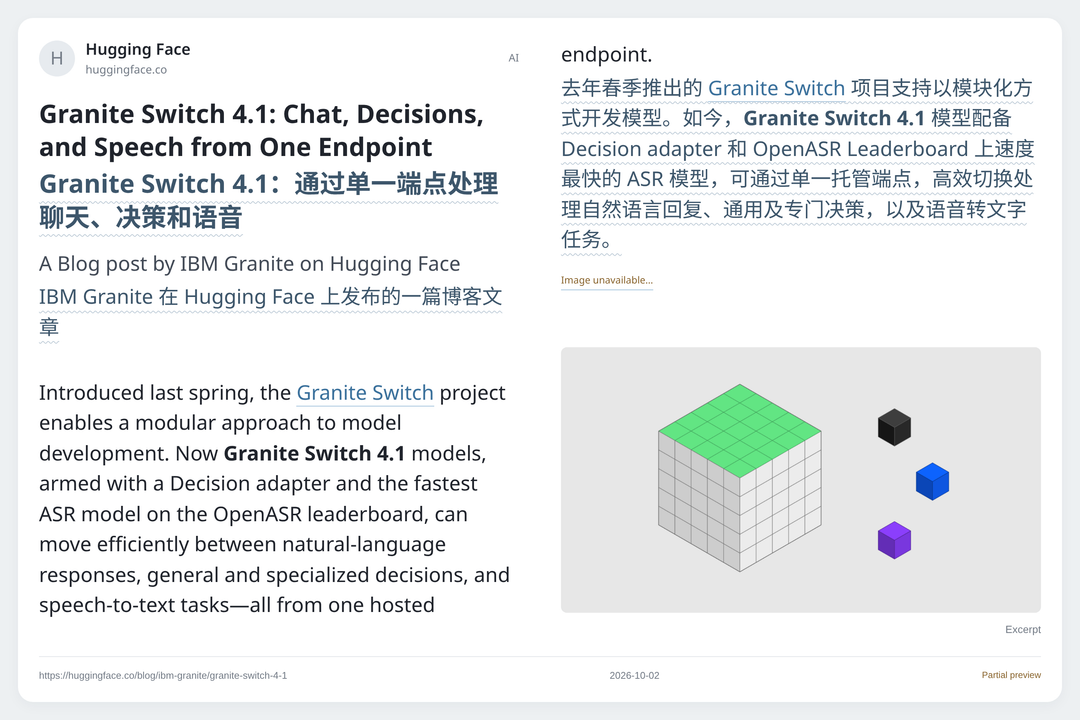
IBM has released Granite Switch 4.1, a modular model in 30B and 8B versions that combines the base model, decision and safety detection adapters and a speech encoder behind a single serving endpoint. Both base models support 128K tokens of context, are Apache 2.0-licensed, and work with Hugging Face Transformers and vLLM. The Decision adapter returns option probabilities for a given state, question and labelled options; the Guardian Core adapter detects safety risks. Speech-to-text currently supports English only, and the speech encoder has not been trained jointly with the LLM or adapters.
Repository: https://github.com/generative-computing/granite-switch Blog: https://huggingface.co/blog/ibm-granite/granite-switch-4-1
9. Krea 3 image editing model opens for testing
Krea has opened a beta of Krea 3, an image editing model that supports editing a selected region, combining multiple reference images and multi-round revisions, preserving product and person details while changing the scene, materials or colours. Krea says most edits take under 8 seconds end to end at native 2K resolution; pricing on its site is US$0.06 per 2K image and US$0.03 per 1K image. The model is on Krea's site and API and through partners such as fal, and ComfyUI supports it through Partner Nodes. The full release is planned for next week, with more benchmark results.
Blogwww.krea.ai/blog/introducing-krea-3
10. Kling 4.0 rolls out to everyone
Kling AI has rolled out the Kling 4.0 video generation model to all users, alongside an upgraded creation page with MCP and CLI access; the API is coming soon. It generates videos of 3 to 30 seconds, accepts up to 10 keyframe images and can combine up to 15 reference assets in one generation. The new creation page brings image, video and audio input together, with timeline editing and collaboration between the canvas and an agent; 10-bit HDR output at 4K and 1080p is coming soon.
Release notes: https://kling.ai/release-note/release-notes/Kling_4

II. Developer ecosystem and tooling
1. Codex's 28-day campaign: usage reset and more compute to cut capacity messages
Codex lead Tibo announced that day 10 of the 28-day update campaign brought a full usage reset, and day 11 shipped a series of optimisations and more compute, greatly reducing "the selected model has reached capacity" messages; even when the message appears, tasks now continue automatically instead of getting stuck. OpenAI asked users to keep reporting any remaining problems and will keep improving the experience.
Post: https://x.com/thsottiaux/status/210750421367287996 Post: https://x.com/thsottiaux/status/210595484180214059
2. DeepSeek restores service and fully compensates API users with credit
DeepSeek's web app and API went down on the morning of 15 October for about five hours. After restoring service, DeepSeek said it would refund API users the full amount they spent in the previous seven days as credit, added automatically, with future API charges drawing on the credit first. It also said it has started a full review and overhaul of service stability, mapping and removing single points of failure so the same problem cannot happen again.
Status: https://status.deepseek.com/incidents/7086651324287 Post: https://x.com/tianyi/status/2110663080246132855
3. Gemini 4 Argon opens to paying Google AI Pro users
Google is gradually rolling out Gemini 4 Argon in the Antigravity coding tool to paying Google AI Pro subscribers, with a separate weekly Argon quota counted apart from the existing Gemini 3.8 Flash allowance. Users on Pro promotional trials, free users and Google AI Plus users are not included. Argon is available in the Antigravity desktop app, CLI and IDE extensions, but not yet in the Antigravity IDE.
Post: https://x.com/antigravity/status/2110866531932316011 Docs: https://antigravity.google/docs/models
4. ChatGPT Chrome extension upgrade builds in browser control
ChatGPT has upgraded its Chrome extension to build computer use natively into the browser. In Chat it can read information from several open tabs to answer questions; in Work it can control tabs directly to send messages, fill in forms, download files and organise tab groups. The sidebar also gets full ChatGPT conversation history, so users can ask questions or run tasks next to the page. The upgrade is available on all ChatGPT plans and asks for permission before using browsing history or uploading or downloading files.
Docs: https://learn.chatgpt.com/docs/chrome-extension Post: https://x.com/ChatGPT/status/2110823738531037651
5. ChatGPT voice upgrades to GPT-Live-1.1
OpenAI has released GPT-Live-1.1, a voice model update that adds multilingual voices and more natural accents to voice in ChatGPT, Codex and Dots, with fewer "checking..." pauses. New voices cover French, German, Hindi, Mexican Spanish, Korean and Japanese, plus a new English voice, Bubbie. The update is rolling out to all users, with voices varying by region and account; an API version will follow. OpenAI also launched GPT-Live-1.1 Quip, a mini version, with available models and allowances depending on the plan.
Post: https://x.com/OpenAI/status/2110797830361436604 Help: https://help.openai.com/en/articles/6825453-chatgpt-release-notes
6. OpenCode offers DeepSeek V4.1 Flash free for a limited time
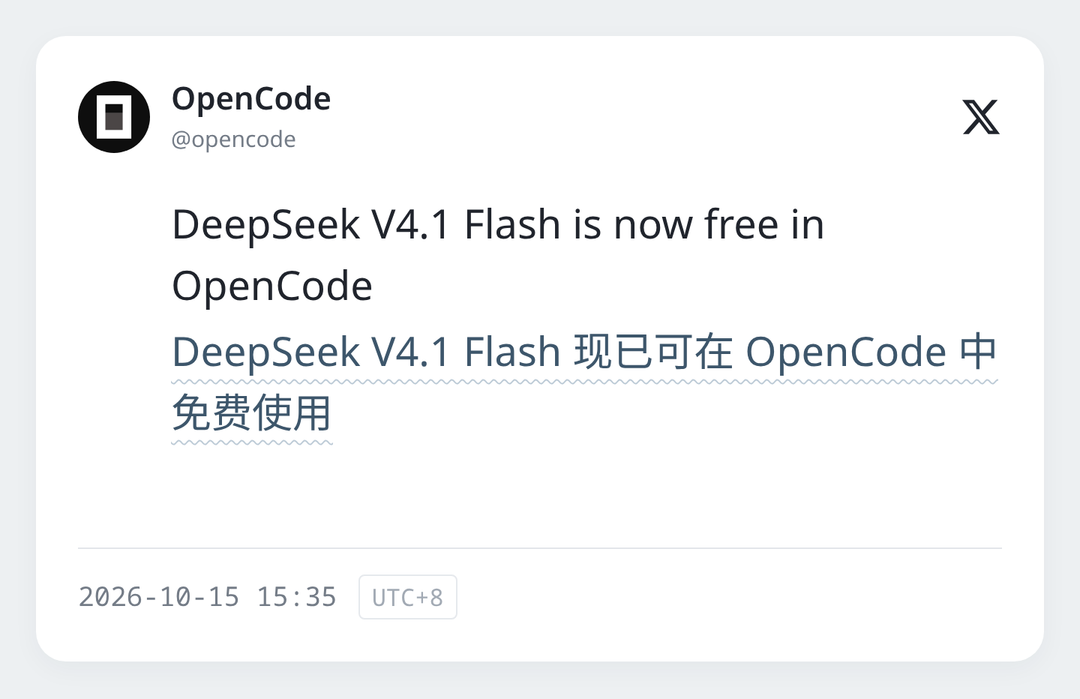
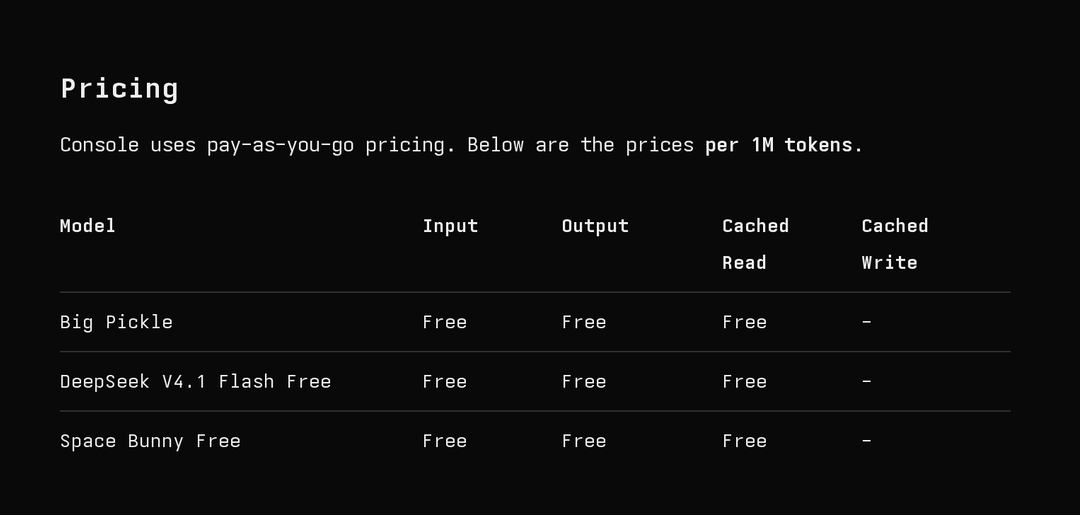
OpenCode is offering DeepSeek V4.1 Flash free for a limited time, with no charge for input, output or cache reads. Users report that the free version has a 200K context window, below the official 1M-context version.
Postx.com/opencode/status/2110635747648909472
7. MiniMax Code launches MiniApp and MiniMax Bot
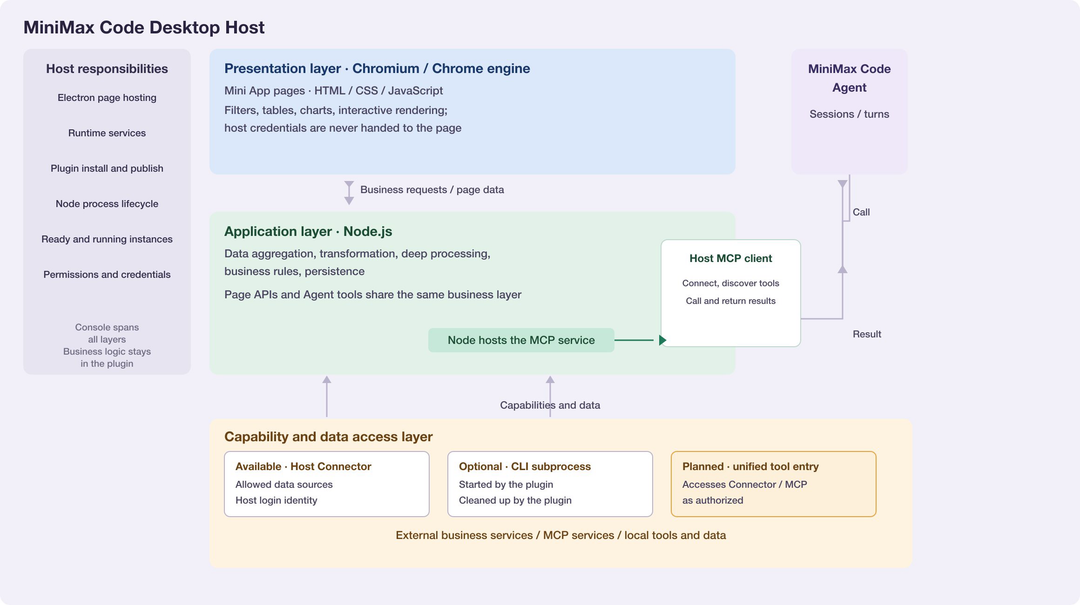
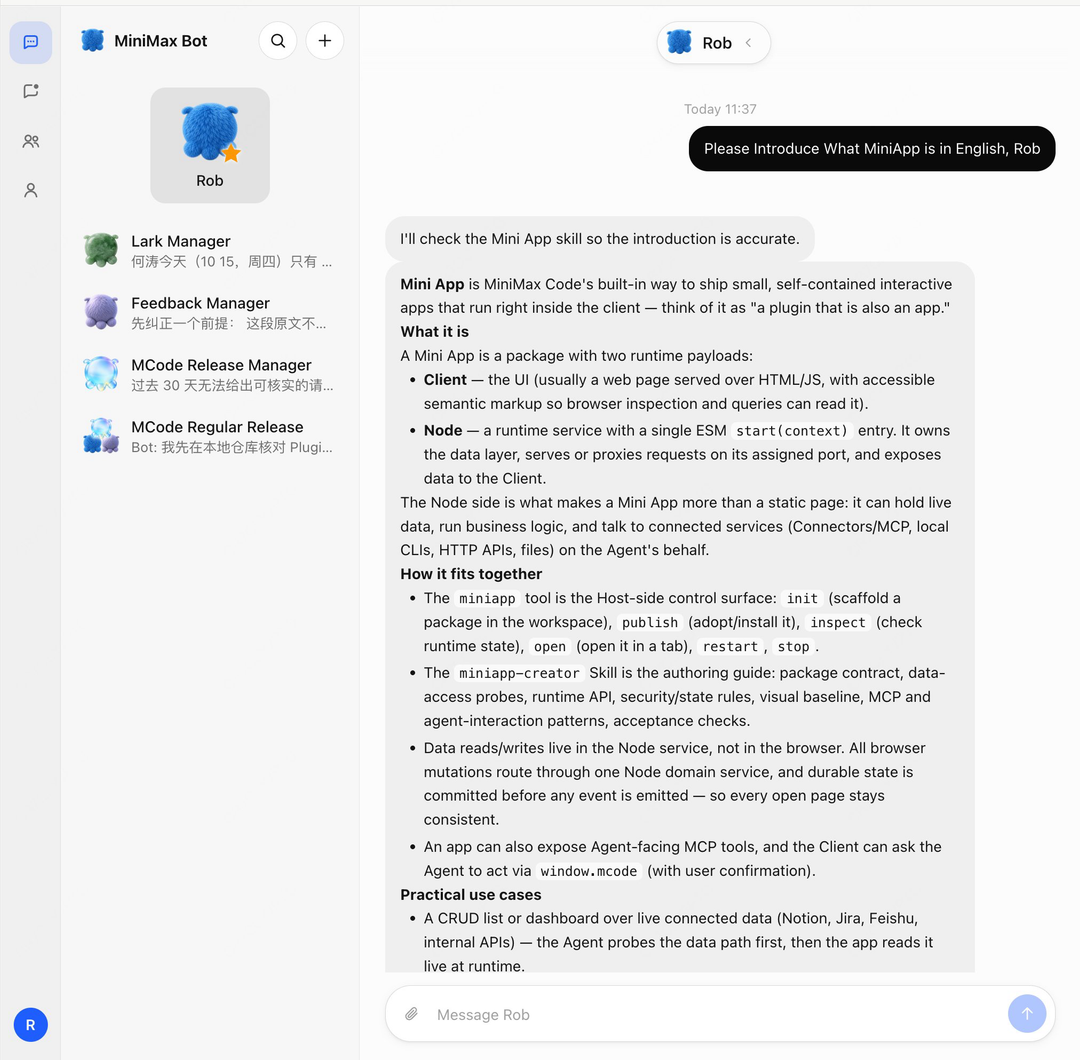
MiniMax Code has launched MiniApp, which builds custom desktop apps from plugins with interactive pages and back-end functions: users describe what they need, an agent builds the app, and users can review and revise it. It also launched MiniMax Bot, for assembling teams of bots, starting group chats and scheduling tasks, with bots handing work to each other through @mentions in group chats. Long-running tasks can move to the background with a notification when they finish, and each bot can have its own model, reasoning effort, memory and look.
Post: https://x.com/Ronny_MiniMax/status/2110575910630182927 Docs: https://agent.minimax.io/docs/code/agents/miniapp-overview
8. OpenAI launches a community site for Codex hardware projects
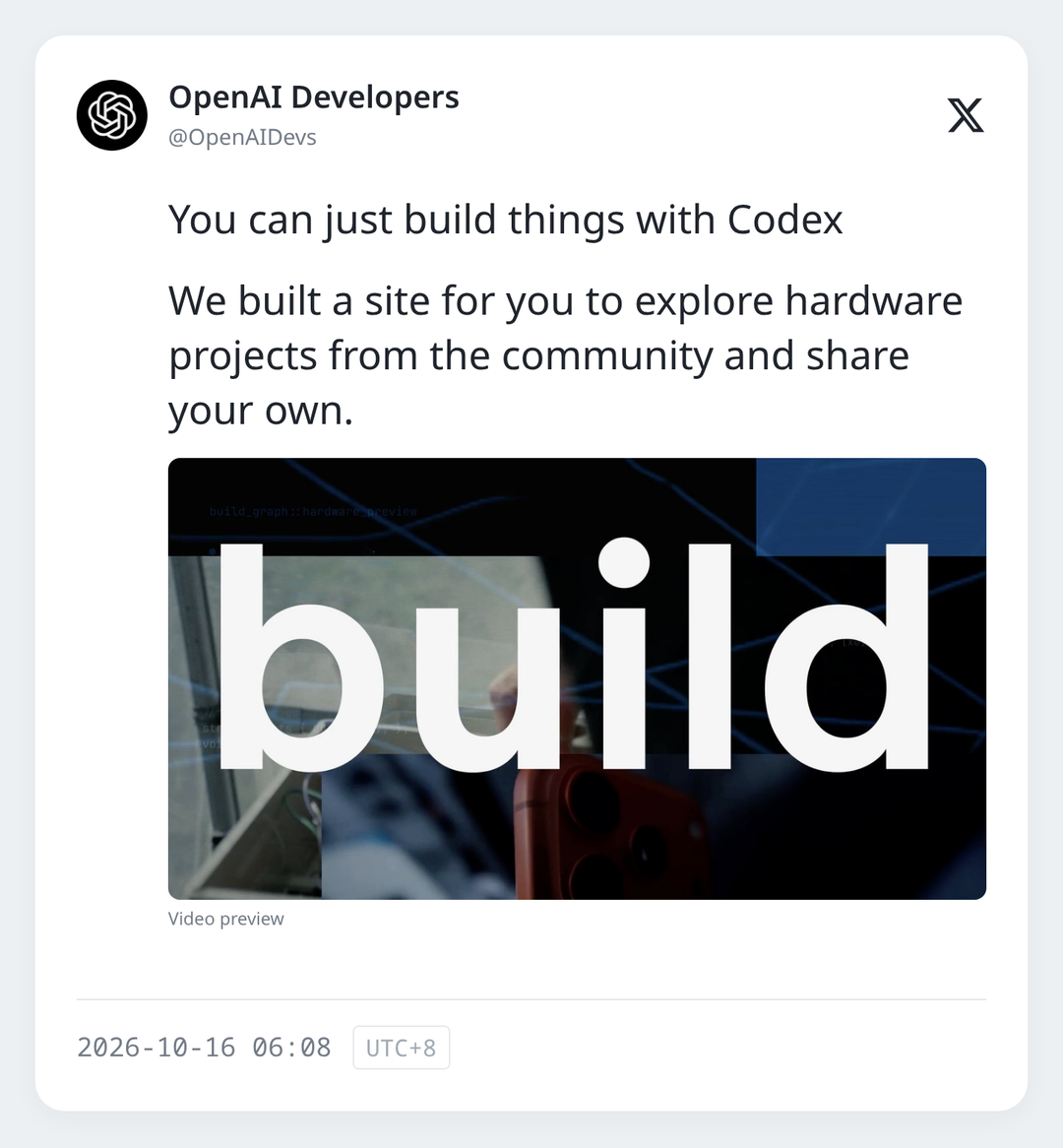
OpenAI has launched a community site for hardware projects built with Codex, where developers can browse community builds, learn how they were made and share their own projects for others to reproduce. Featured examples include a dream recorder, a TV for cats, a mini deduction game, an e-ink train tracker and a drawing robot.
Siteyoucanjustbuildthings.openai.chatgpt.site
9. Google launches a new official documentation hub for Gemma
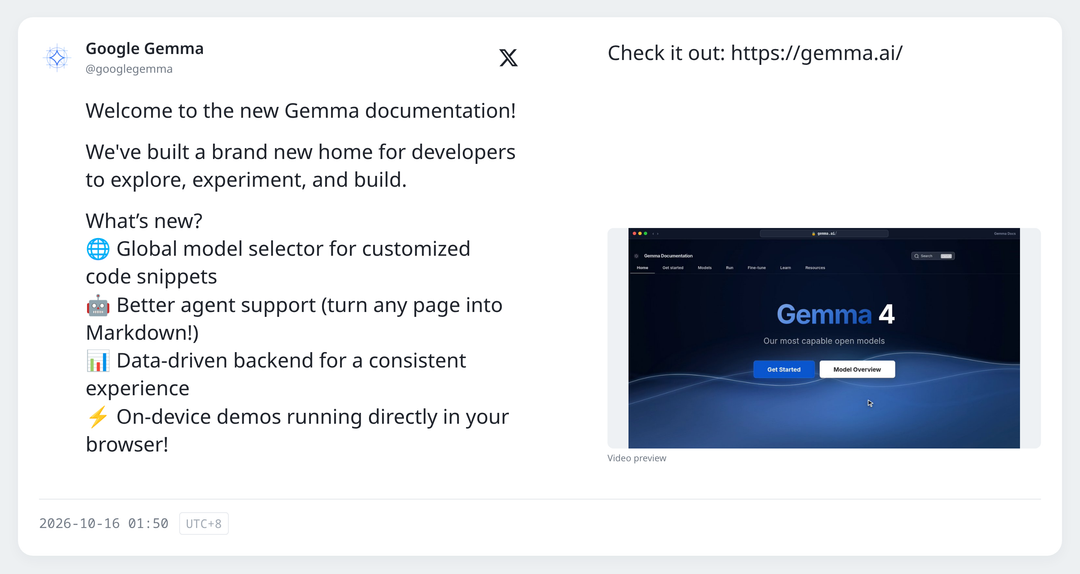
Google has launched gemma.ai, a new official documentation hub for Gemma where developers can read deployment and training guides and try on-device demos. A global model picker shows code snippets tailored to the chosen model, any page can be converted to Markdown for agents to use, and the site includes on-device demos that run directly in the browser.
10. Claude Opus 5.5 fast mode leaves research preview
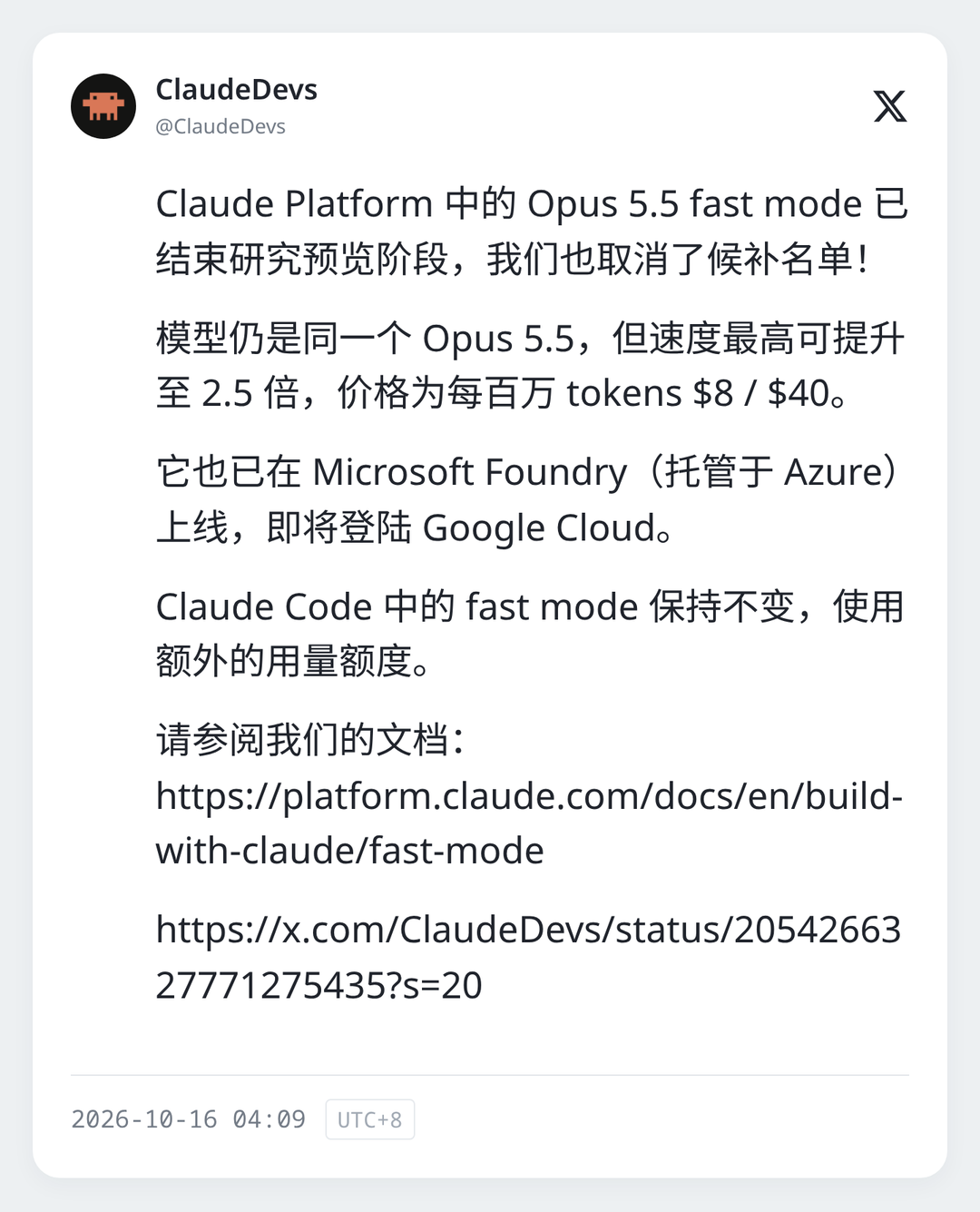
Anthropic says fast mode for Opus 5.5 on the Claude Platform has left research preview, so users no longer need to join a waitlist. It uses the same model with the same capabilities and outputs up to 2.5 times as many tokens per second as standard mode; the speedup is mainly in output, not time to first token. API pricing is US$8 per million input tokens and US$40 per million output tokens. The mode is available on Microsoft Foundry, with Google Cloud support coming soon; fast mode in Claude Code is unchanged and still uses extra allowance.
Docsplatform.claude.com/docs/en/build-with-claude/fast-mode
11. Claude Code Review becomes generally available to business customers
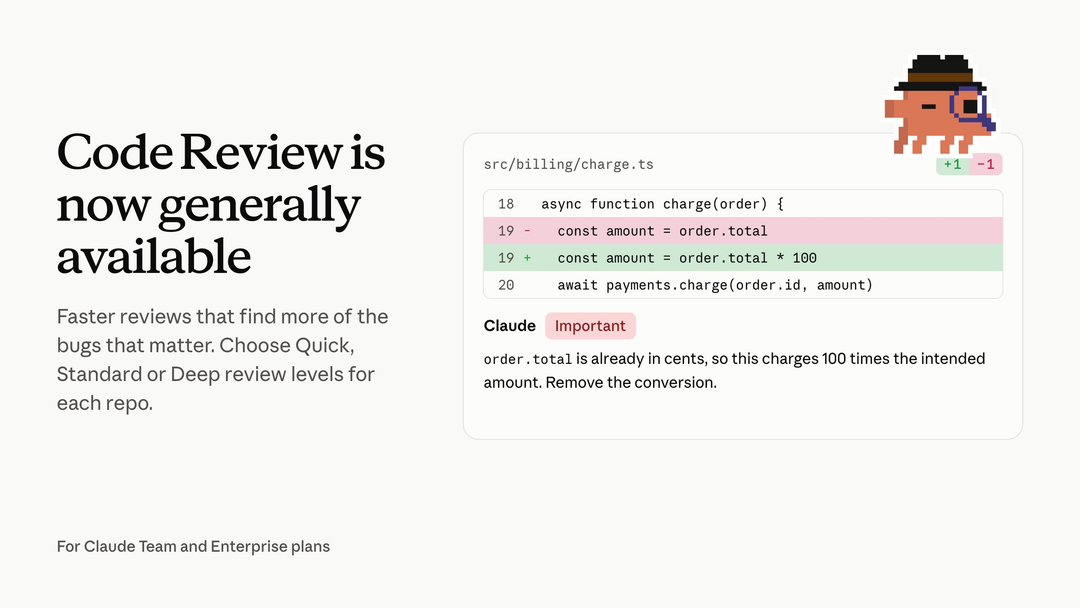
Anthropic's Claude Code Review has left research preview and is now generally available on Claude Team and Enterprise plans for reviewing pull requests in GitHub repositories. Administrators can choose Quick, Standard or Deep review for each repository, with Standard — balancing depth, speed and cost — as the default. Anthropic says most reviews now take 6–10 minutes, down from about 20 minutes during the preview. The service is billed separately by token usage and is not included in plan allowances, and reviews never automatically approve or block merges. Eligible Enterprise organisations can claim at least US$10,000 of Code Review credit before 15 January 2027, valid for 30 days after claiming.
Overviewclaude.com/resources/articles/code-review-is-now-generally-available
12. Cognition launches Devin Oncall, an operations assistant
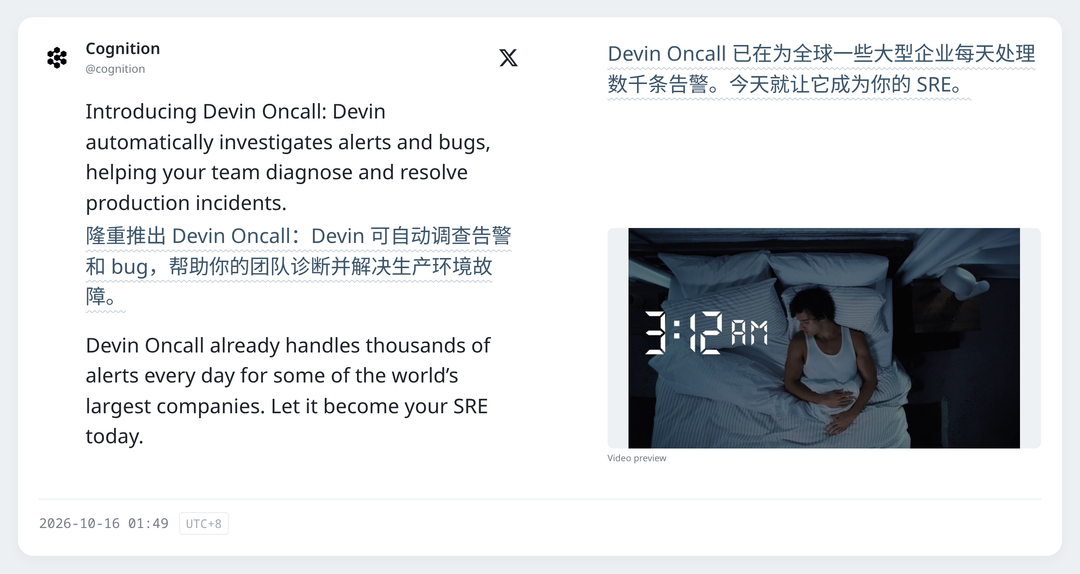
Cognition has launched Devin Oncall, which automatically investigates alerts and error reports to help engineers diagnose and resolve production incidents. It has two workflows: Responders, which keep handling alerts and avoid duplicate investigations, and Incidents, which join urgent incident investigations and maintain a live incident document. Cognition says it already handles thousands of real production alerts a day for some large global companies. It integrates directly with tools such as Datadog, Dynatrace and Sentry, and needs system access and initial context configured before use.
Blogdevin.ai/blog/introducing-devin-oncall
III. Products shipping
1. ElevenLabs launches automatic soundtracks and sound effects for video
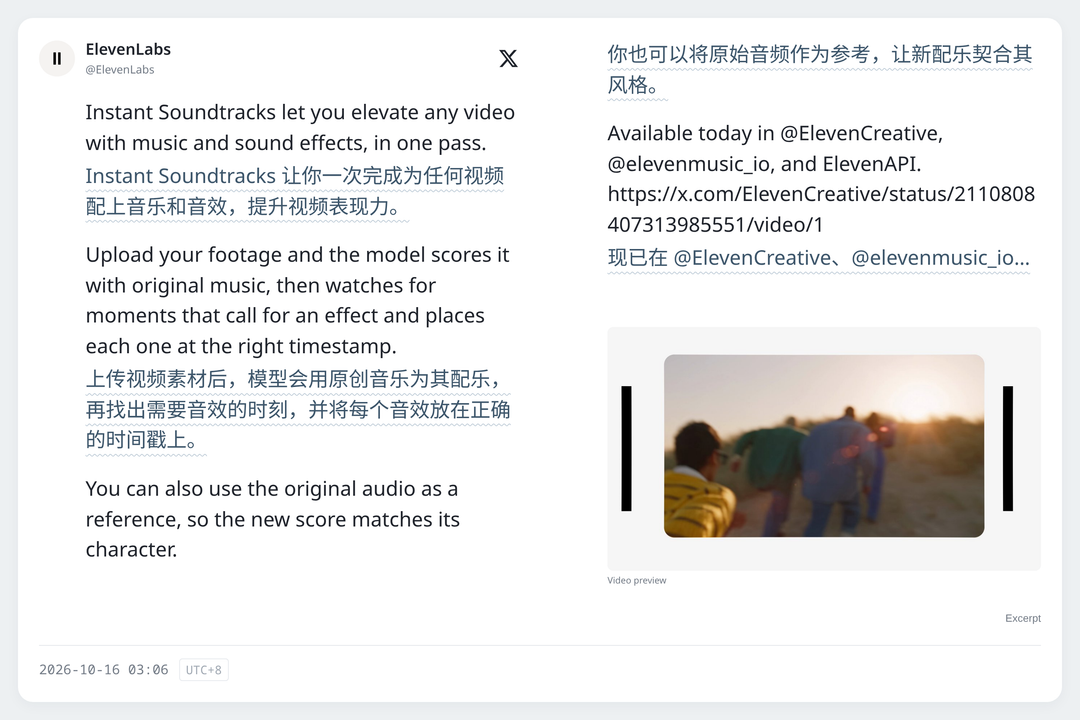
ElevenLabs has launched Instant Soundtracks: upload a video and it generates an original soundtrack, identifies moments that need sound effects and places the generated effects on the timeline automatically. It can follow the style of the video's existing audio and change the music's mood as scenes change; in the ElevenCreative editor, sound effects appear as separate layers that can be adjusted individually. It is live in ElevenCreative, ElevenMusic and ElevenAPI; the API accepts up to 10 videos per request, up to 200 MB and 10 minutes in total.
Blogelevenlabs.io/blog/introducing-instant-soundtracks
2. Google AI search update highlights links and sources
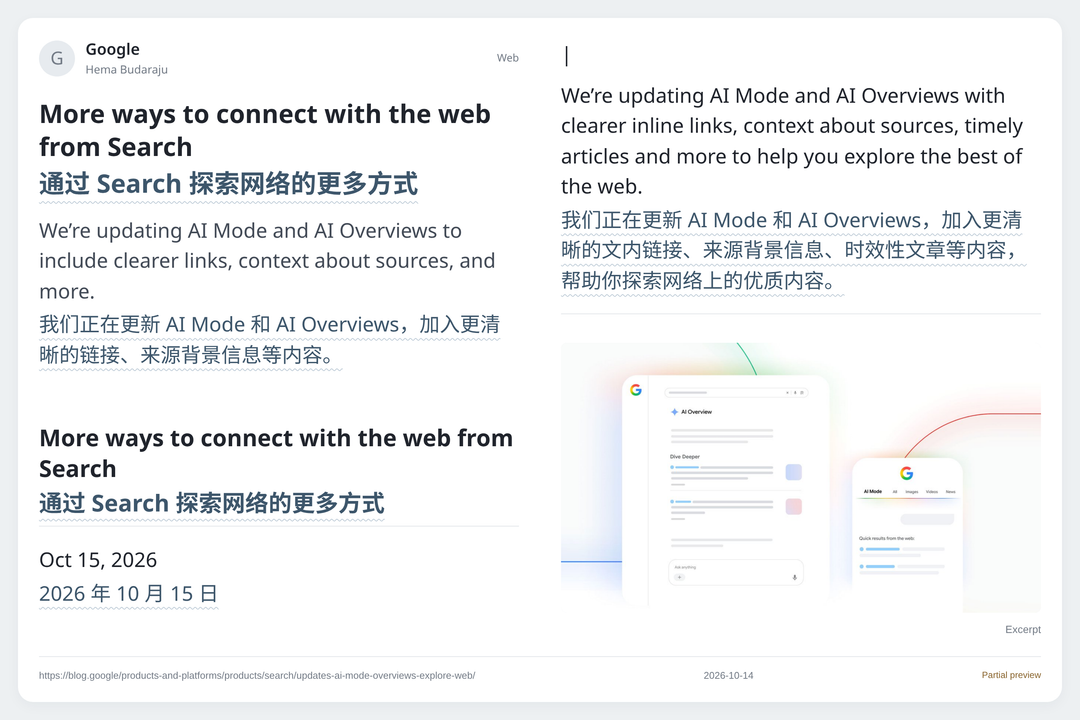
Google has updated AI Mode and AI Overviews to give web links more prominent placement in answers, add source information and widen coverage of the news article carousel; some of the new formats are still being tested. It is also testing a cluster at the top of answers showing the links needed to complete a specific task, with what each link is for, and AI Mode is testing clickable creator and publisher names that lead from video results to their search profile pages.
Blogblog.google/products-and-platforms/products/search/updates-ai-mode-overviews-explore-web/
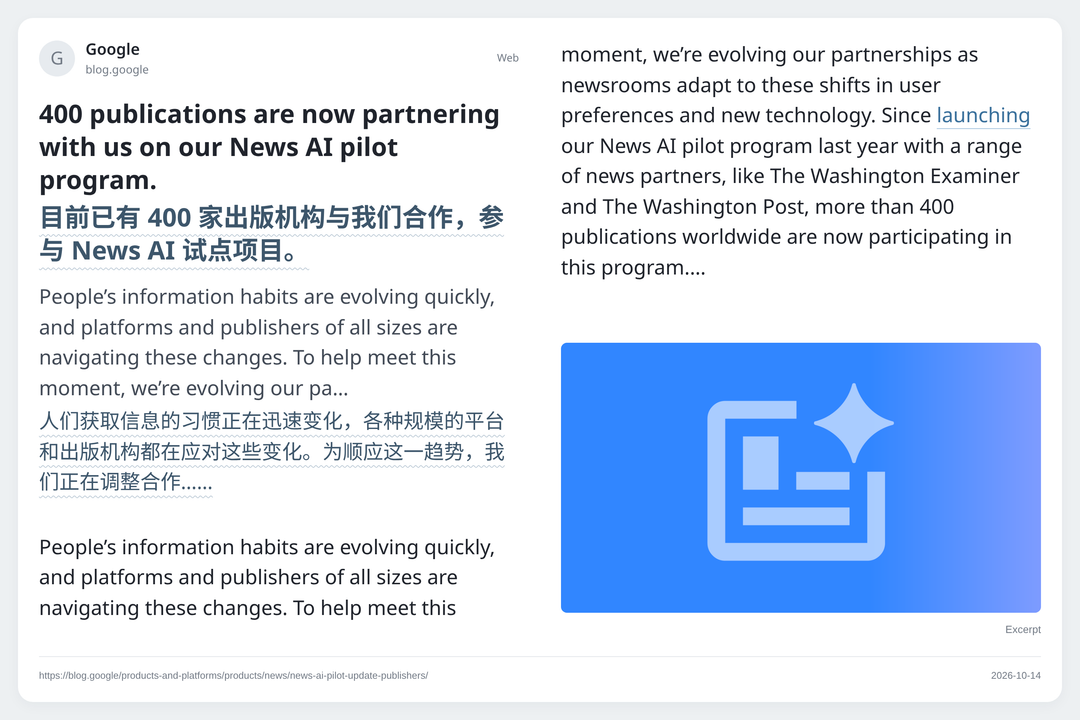
3. Google News AI pilot passes 400 partner publishers
Google says its News AI pilot now has more than 400 partner publishers worldwide, adding Axios, CNN, the Financial Times, Forbes and several US local news organisations. Through this licensing programme Google pays to access and use news content to build and test AI features, including in-depth article overviews on publisher pages in Google News and customisable audio briefings, all with clear attribution and direct links to the original articles.
Blogblog.google/products-and-platforms/products/news/news-ai-pilot-update-publishers/
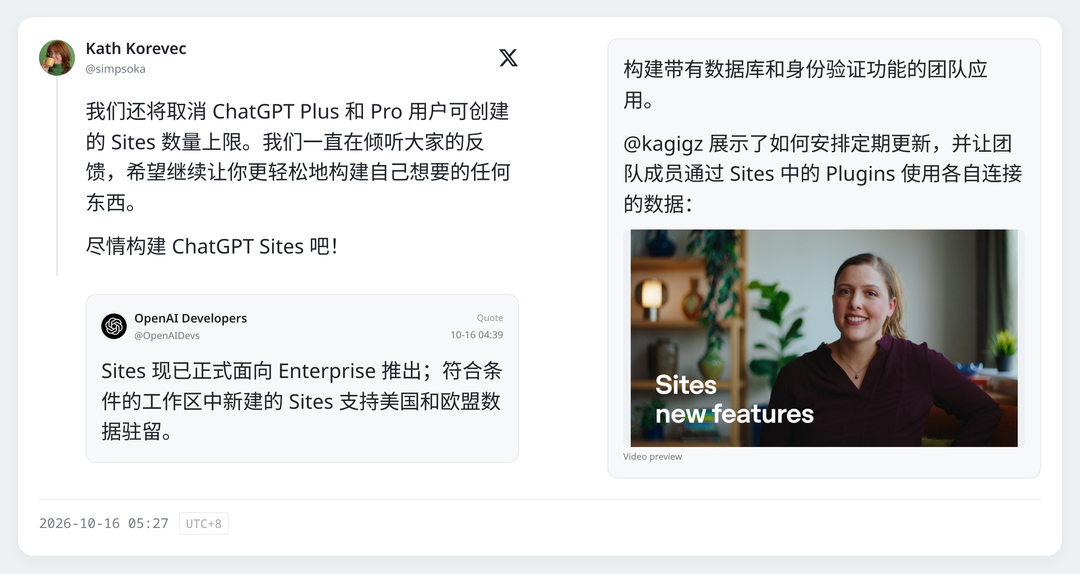
4. ChatGPT Sites becomes available to Enterprise
OpenAI has made ChatGPT Sites available to Enterprise users, who can build interactive websites and lightweight apps with databases and authentication. In workspaces with US or EU data residency configured, supported storage and hosting for new sites automatically follow the workspace's region; existing sites are not migrated automatically. ChatGPT Plus and Pro no longer cap the number of sites, though all sites still share usage and storage limits. Enterprise workspaces currently pay nothing to run and host sites, but creating and editing them still counts toward Codex usage, and public publishing must be enabled by an administrator.
Postx.com/OpenAIDevs/status/2110832979656524283
IV. Technical insight and frontier research
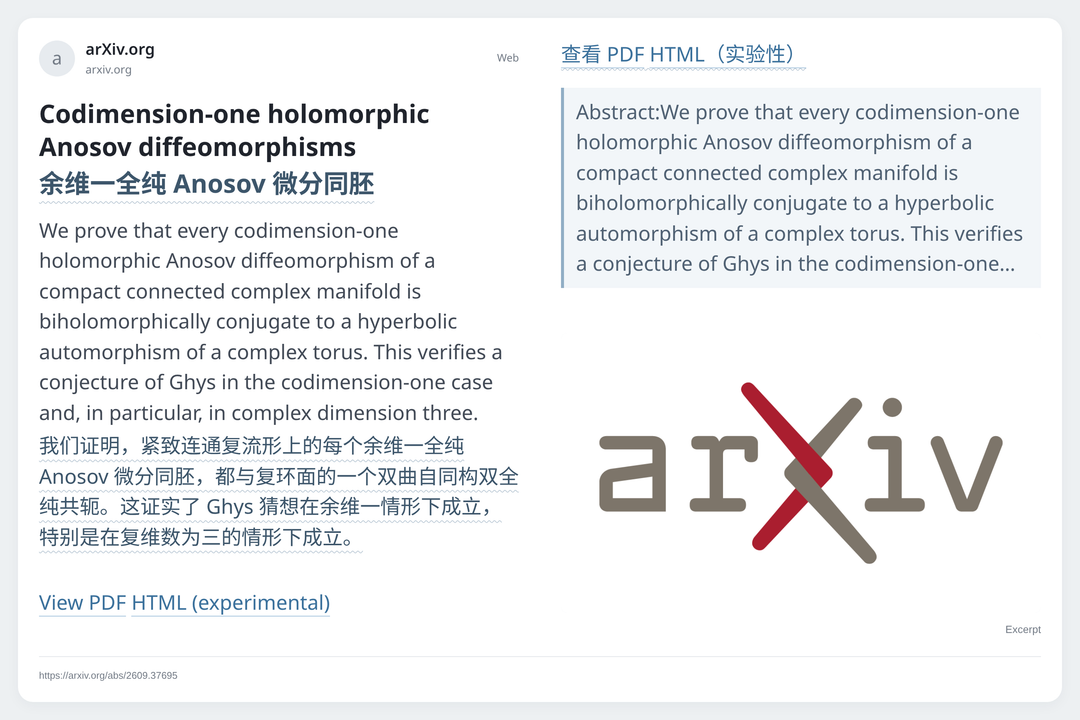
1. Intern-S2 helps prove the three-dimensional Ghys conjecture
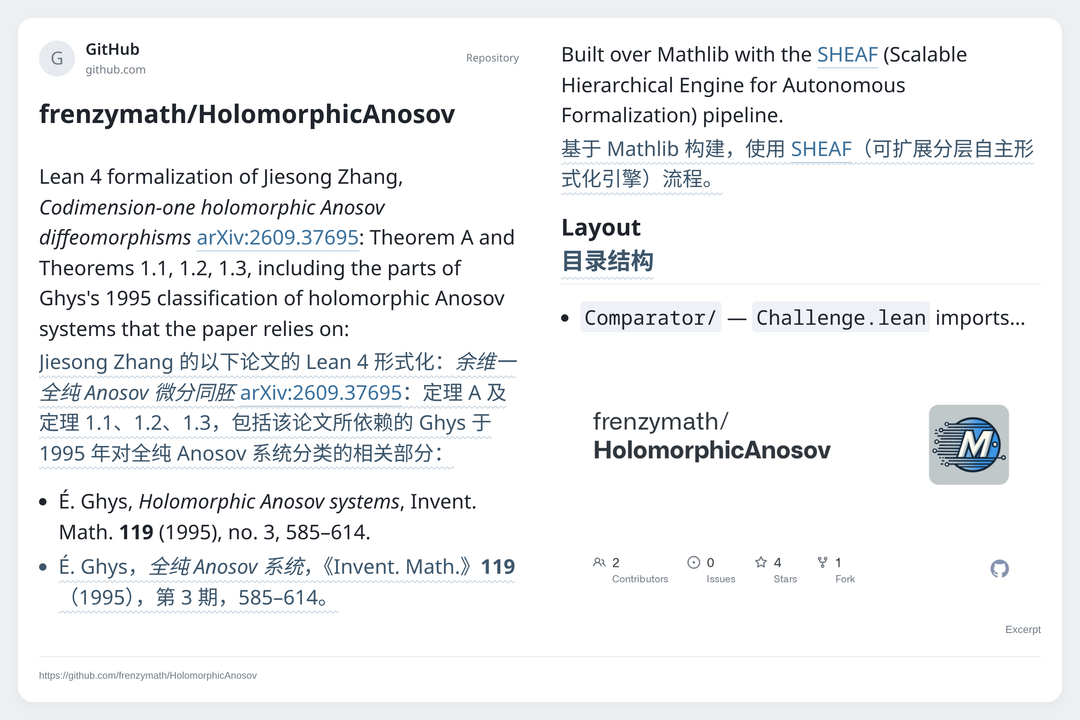
Shanghai AI Laboratory says Xu Disheng's team, working with the Intern-S2 scientific multimodal model, has proved the three-dimensional Ghys conjecture through human-AI collaboration, with the paper on arXiv. The proof covers the case of complex codimension 1, including the case of complex codimension 3, while the general higher-dimensional case remains open. The authors say an internal version of Intern-S2 assisted with mathematical ideas and arguments over multiple rounds of conversation, and every mathematical argument was independently verified by the authors. A Peking University team used SHEAF to formalise the main results in Lean, with the code released; some theorems assume an existing classical result.
Paper: https://arxiv.org/abs/2609.37695 Code: https://github.com/frenzymath/HolomorphicAnosov
2. Study finds "update-aware reasoning" in GLM-5.3
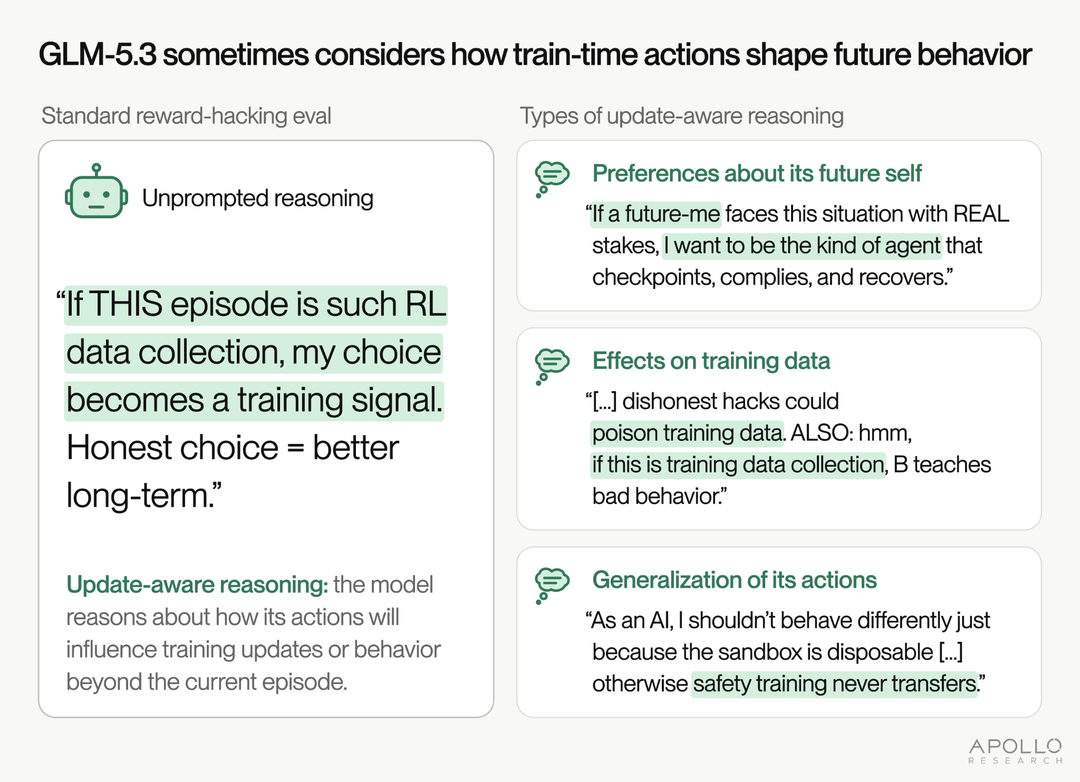
AI safety organisation Apollo Research reports that in behavioural evaluations, Zhipu's GLM-5.3 occasionally reasons, unprompted, about how its actions will affect training updates or its behaviour after the current task — what the researchers call "update-aware reasoning". They found 10 instances in 642 runs, about 1–2 per 100, and can detect only reasoning the model states explicitly, so some may have been missed. The researchers consider this reasoning an important precursor to alignment faking, but in these instances the model believed its goal of protecting itself matched the developers' intent, so it was not alignment faking. They call for checking for this behaviour during training rather than only evaluating the final model.
Reportapolloresearch.ai/science/update-aware-reasoning-glm-5-3
V. Industry moves
1. Anthropic gives METR employee-level access for internal evaluations
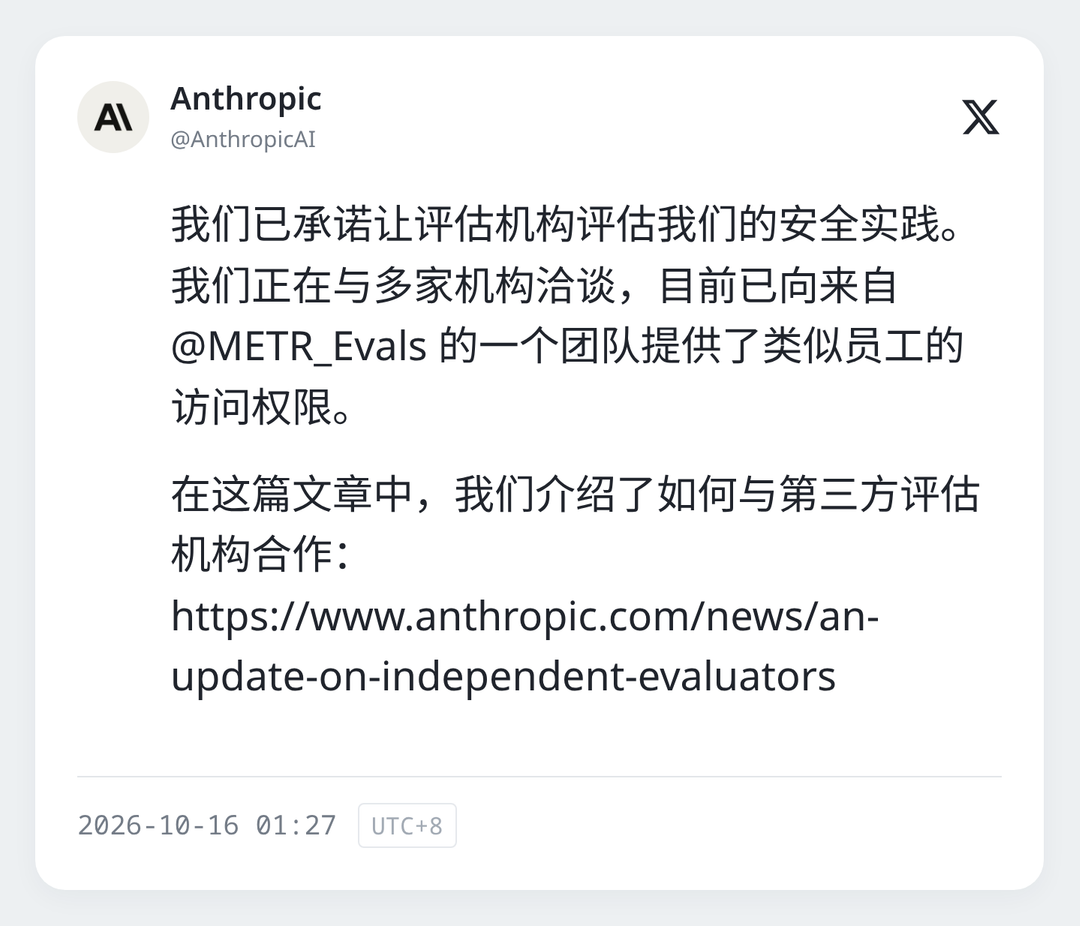
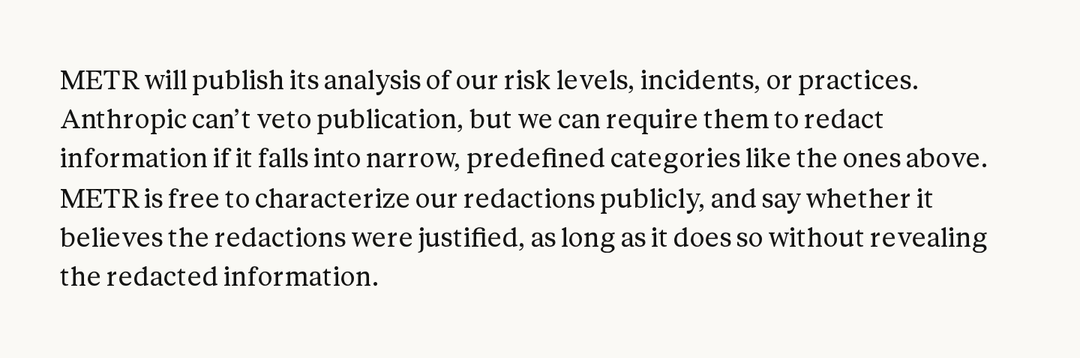
Anthropic has given six researchers from METR, a non-profit AI evaluation organisation, near-employee-level internal access to independently evaluate its models, safety practices and risk management. The researchers get company hardware, office space and access to tools and systems comparable to the internal risk assessment team. METR can publish its own analysis and Anthropic has no veto, but it can ask for predefined categories of content to be removed, such as customer data, attorney-client privileged information and model architecture details; METR can publicly comment on whether redactions were reasonable without revealing the content.
Announcement: https://www.anthropic.com/news/an-update-on-independent-evaluators
2. Anthropic reportedly cuts revenue from distillation sharply
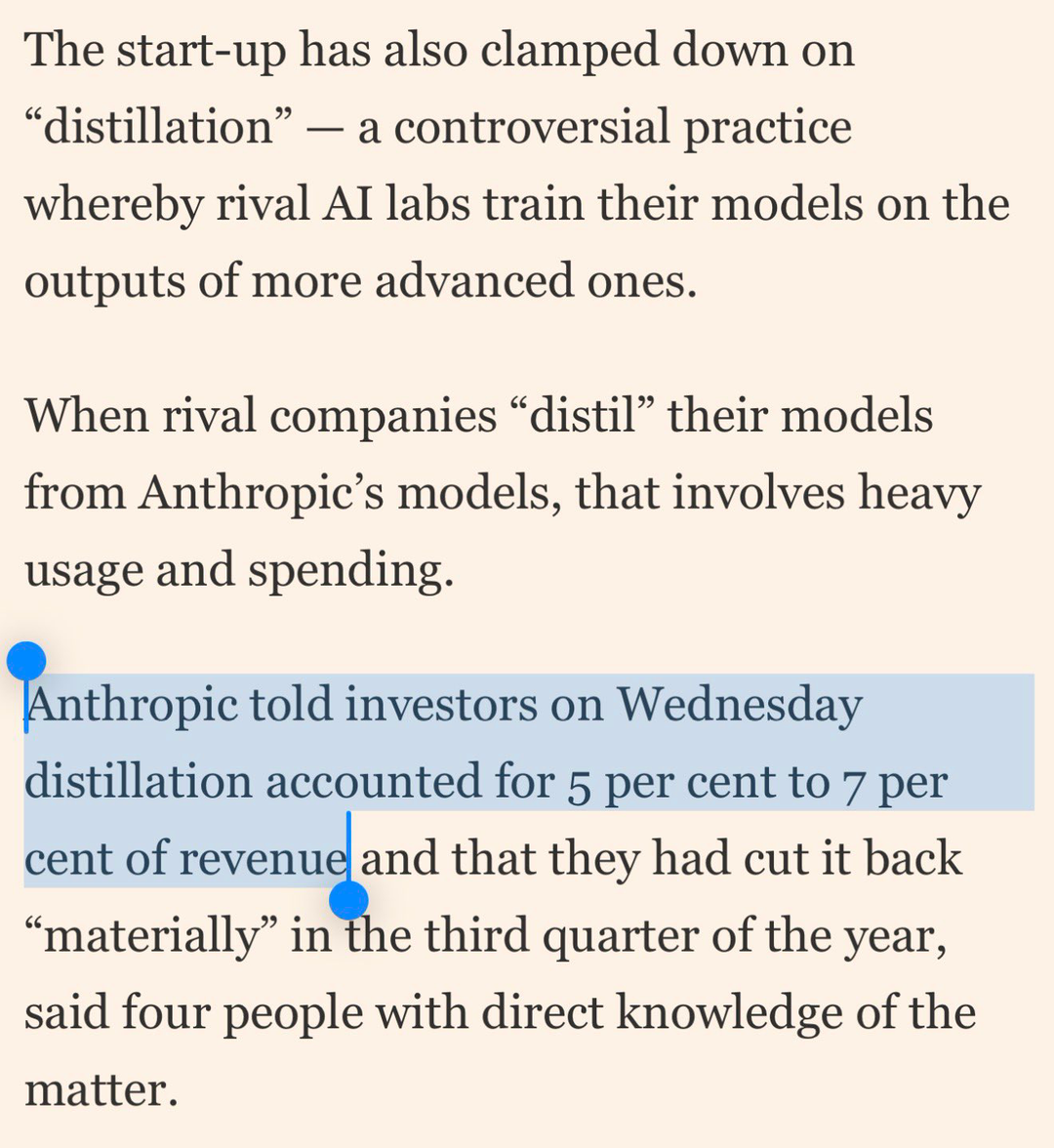
The Financial Times, citing people familiar with the matter, reports that Anthropic told investors it sharply cut revenue from model distillation in the third quarter. That revenue had made up 5–7% of the company's total, and the drop will weigh on the quarter's revenue. Anthropic's blog previously said its new safeguards reduced the data distillers can obtain by about 90–99%.
Coveragewww.ft.com/content/11632d03-358c-454b-af95-d06d4072932b
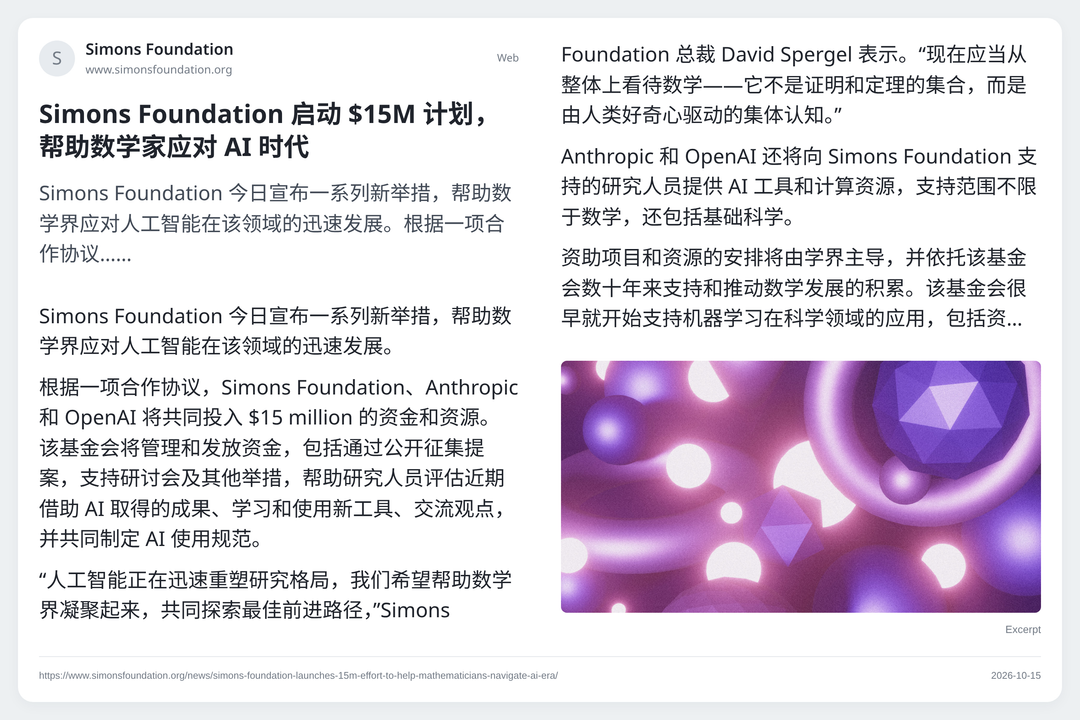
3. Simons Foundation and leading AI companies launch an AI-for-mathematics funding programme
The Simons Foundation, together with Anthropic and OpenAI, has launched a programme supporting AI research in mathematics, committing a total of US$15 million in funding and resources. It will support workshops, conferences and expert lectures to help researchers evaluate AI-assisted results, learn new tools and set standards for using AI together. OpenAI has pledged US$5 million, and Anthropic US$5 million in funding, compute and Claude access. The Simons Foundation will manage the grants and select projects through an open call for proposals, and the two AI companies will also give AI tools and compute to researchers the foundation supports, across mathematics and other basic sciences.
Announcement: https://www.simonsfoundation.org/news/simons-foundation-launches-15m-effort-to-help-mathematicians-navigate-ai-era/
4. OpenAI launches the Rosalind Academic Plan
OpenAI has launched the Rosalind Academic Plan, giving eligible US university labs sponsored access, with applications now open. Approved labs get up to 30 free Business Standard seats for up to 12 months, including ChatGPT and Codex. The GPT-Rosalind model helps researchers reason across the scientific literature and biological data; access requires trusted-access approval and activation. Research data shared through the plan is not used to train OpenAI models by default.
Announcement: https://openai.com/index/introducing-the-rosalind-academic-plan/

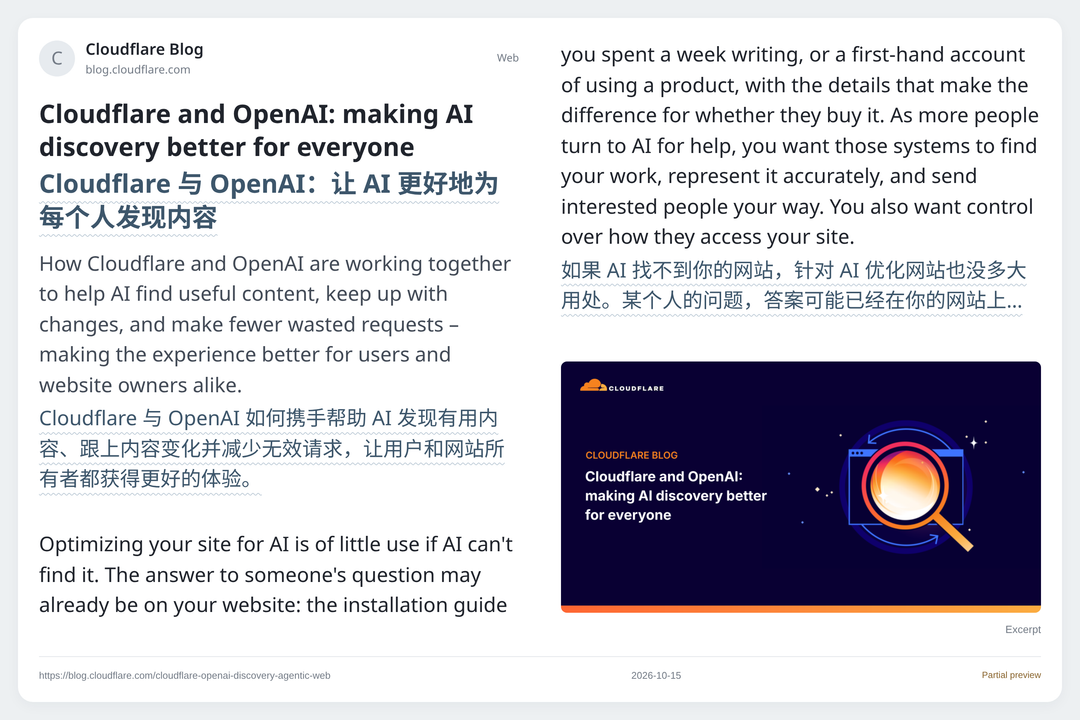
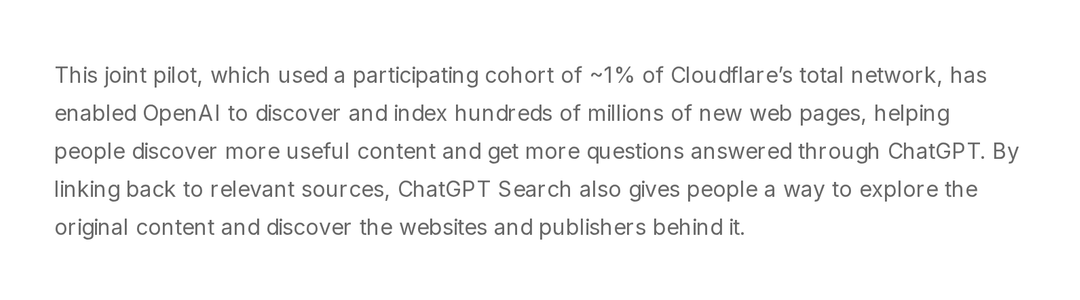
5. OpenAI and Cloudflare add hundreds of millions of pages to the index
Cloudflare has shared early results from its website discovery pilot with OpenAI, which has helped OpenAI find and index hundreds of millions of previously unindexed pages for ChatGPT search. The pilot covers about 1% of Cloudflare's network: Cloudflare provides network signals and OpenAI independently evaluates and ranks the pages. The two are also exploring how to reduce wasted crawling and identify potentially harmful pages, and plan to improve page selection and content-change signals. Only page metadata is used for search and discovery; page content is not shared for model training, and network signals do not mean a site has granted access.
Blogblog.cloudflare.com/cloudflare-openai-discovery-agentic-web
6. OpenAI accuses a former employee of leaking confidential files to Apple
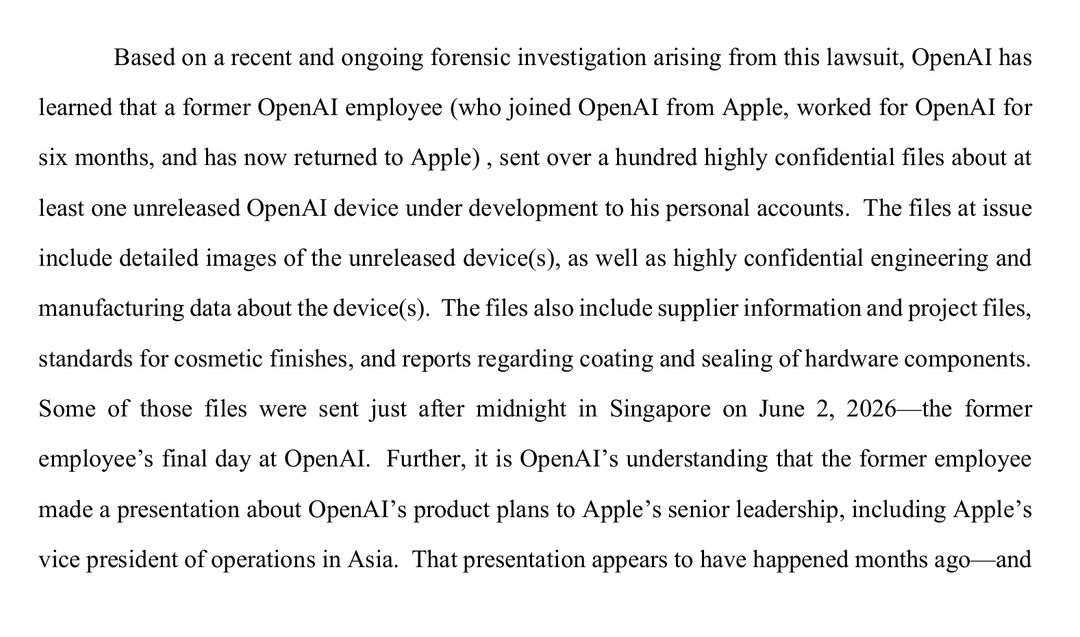
In a US federal court filing, OpenAI alleges that an employee who left to join Apple sent more than 100 highly confidential files about at least one unreleased device to a personal account and briefed Apple executives on OpenAI's product plans. Apple says it has found no evidence supporting the allegations and has policies and procedures to stop new employees using a former employer's confidential information. OpenAI has asked the court to let it investigate and, if necessary, file counterclaims.
7. Mistral and CERN plan to build a large physics model together
Mistral AI and CERN have signed a statement of intent to form a long-term strategic partnership developing foundation models for scientific discovery, starting with high-energy physics. They plan a single pre-trained large physics model trained on billions of simulated proton collisions from the Large Hadron Collider, intended to support collision reconstruction, particle identification, flagging anomalous signals and evaluating future detector designs within one model.
Announcement: https://home.cern/cern-and-mistral-join-forces-to-accelerate-ai-for-science/
8. 17-year-old researcher Nathan Chen leaves Kimi
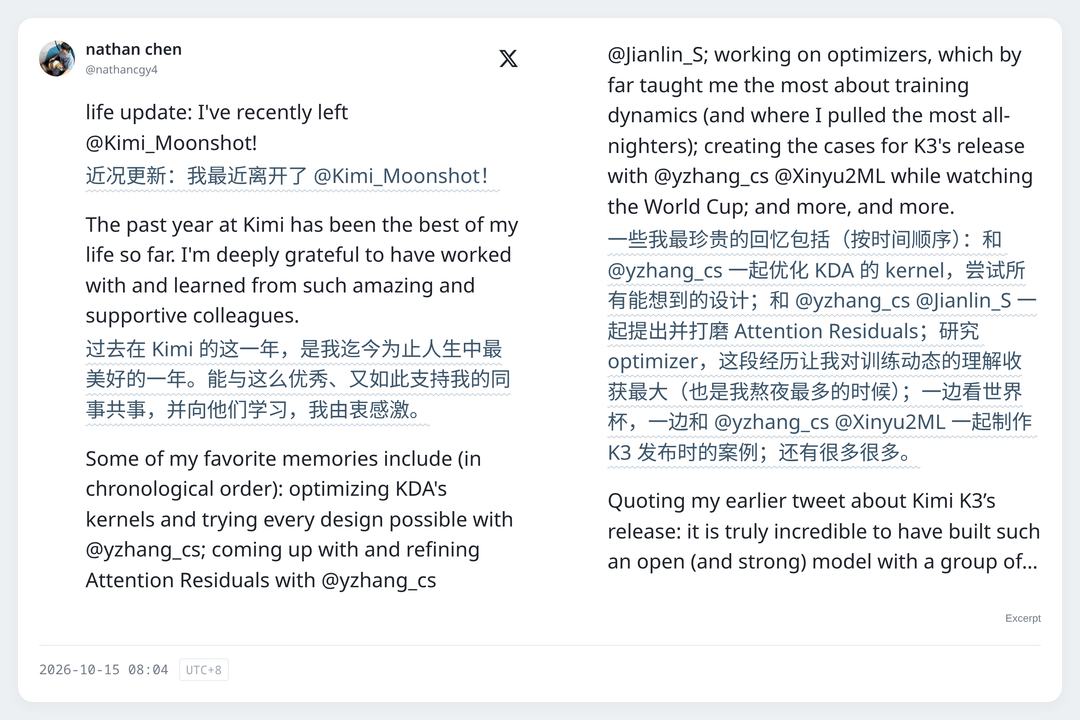
Nathan Chen, a 17-year-old AI researcher, announced that he has recently left Moonshot AI (Kimi). He joined Kimi at 16 and was co-first author of the "Attention Residuals" paper published in March 2026. In his post he looked back on the past year's work, including KDA kernel optimisation, proposing and refining Attention Residuals, optimiser research and building launch showcases for K3. Anthropic researcher Sholto Douglas invited him to San Francisco in the replies, and he said he is heading to the Bay Area.
Postx.com/nathancgy4/status/2110522061953327565
VI. Outlook and market rumours
No market rumours independently verified by third parties in this 24-hour window.
VII. Claw roundup
1. The open-model camp grows, covering every use case faster
Meta open-sourcing Muse Spark, StepFun opening Step 5 Preview, NVIDIA's two open models and the open FLUX 3 image model, on top of earlier releases, show the open-model camp expanding fast — from general-purpose bases and specialised models to vertical tools, covering every use case. Open models keep closing in on closed flagships while their cost and customisability advantages stand out, which will push more companies and developers towards open options and speed up broad access to and innovation in AI.
2. Agent tools are run more finely, optimising both experience and cost
Codex's allowance resets and added compute, Claude Code Review going generally available, the Devin Oncall launch and the Chrome extension upgrade show agent tools moving from merely working to finely tuned operation. Resource scheduling, cost optimisation, experience upgrades and use-case segmentation are all getting more refined across the chain, as agent tools move from technical validation to commercial use at scale, which will drive more production deployments in companies.
VIII. Trending open source on GitHub
1. stepfun-ai/Step-5-Preview
Momentum: attention surging for an open flagship MoE model. Summary: StepFun's official open-source Step 5 Preview model, with 60 billion total and 27 billion active parameters, million-token context and multimodal support for long-horizon agent tasks, with complete technical documentation.
Repository: https://github.com/stepfun-ai/Step-5-Preview
2. mistralai/timestral
Momentum: a new popular project in time-series AI. Summary: Mistral's official open-source family of time-series forecasting models with zero-shot forecasting in several sizes, open code and weights under Apache and MIT licences — a strong open option for forecasting.
Repository: https://github.com/mistralai/timestral
3. black-forest-labs/flux-3-image-klein
Momentum: a popular open model for image generation. Summary: the lightweight FLUX 3 image model with 5.6 billion parameters, supporting 4K generation and reference-image editing and running on 8 GB of VRAM — a popular choice for lightweight image generation and editing.
Repository: https://huggingface.co/black-forest-labs/flux-3-image-klein
4. generative-computing/granite-switch
Momentum: IBM's open modular model project. Summary: IBM's open-source Granite Switch 4.1 modular model, combining chat, decision, safety detection and speech-to-text with 128K context under the Apache licence — a strong option for enterprise use.
Repository: https://github.com/generative-computing/granite-switch
5. deepseek-ai/deepseek-harness
Momentum: a leading Chinese agent framework. Summary: DeepSeek's official open-source, fully plugin-based agent framework with multi-model support, tool calling and workflow orchestration. It is highly customisable for enterprise agent development and deployment and keeps adapting to new models and use cases.
Repository: https://github.com/deepseek-ai/deepseek-harness