1. Google releases Gemini 4 Neon, 32% cheaper per task than Carbon at the default setting, plus a cybersecurity version;
2. Project Genie opens up the Genie 4 world model, with real-time native audio for the first time;
3. Tencent Hunyuan open-sources three Hy4 flash checkpoints: 220B total and 12B active parameters, 1M context;
4. DeepSeek stops charging separately for searches triggered by model calls;
5. OpenAI says its models helped design chips, with up to 14% PPA improvement on an AMD flagship GPU design;
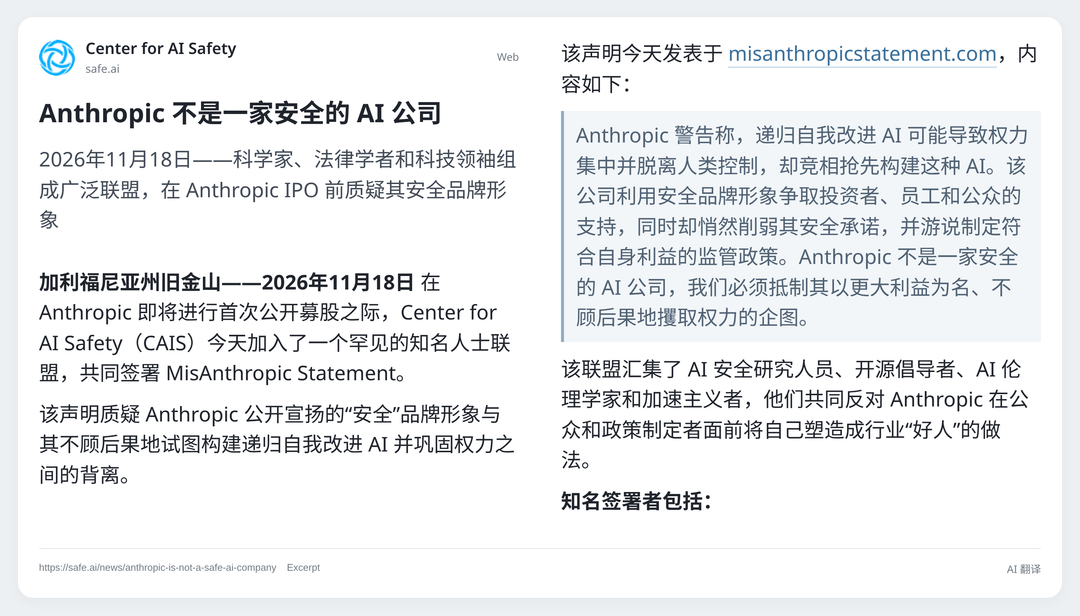
6. Ahead of Anthropic's IPO, CAIS and others sign the MisAnthropic Statement challenging its safety image;
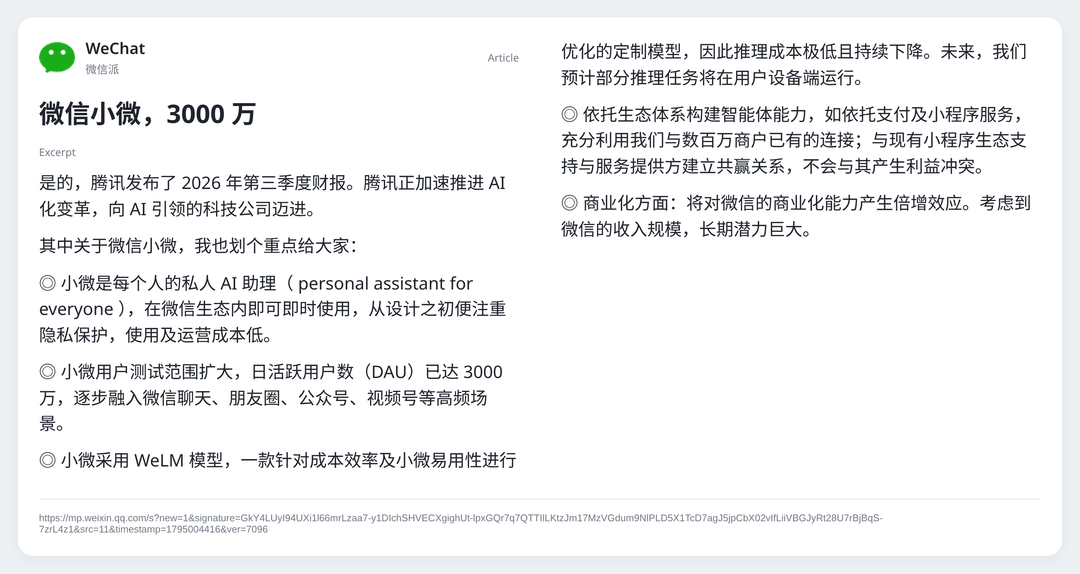
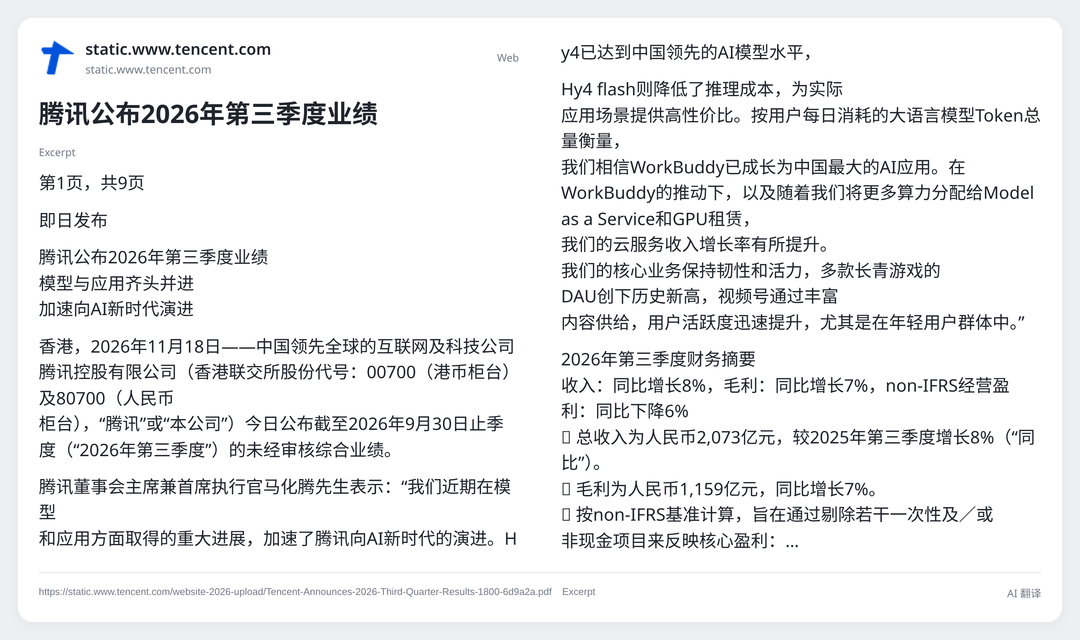
7. Three Chinese AI products report their scale: WeChat Xiaowei at 30 million daily users, WorkBuddy at over 10 million daily users consuming over 100 trillion tokens a day, and Doubao Work at 8 million daily users.
I. Model releases and open source
1. Google releases Gemini 4 Neon, filling the gap between Carbon and Hydrogen
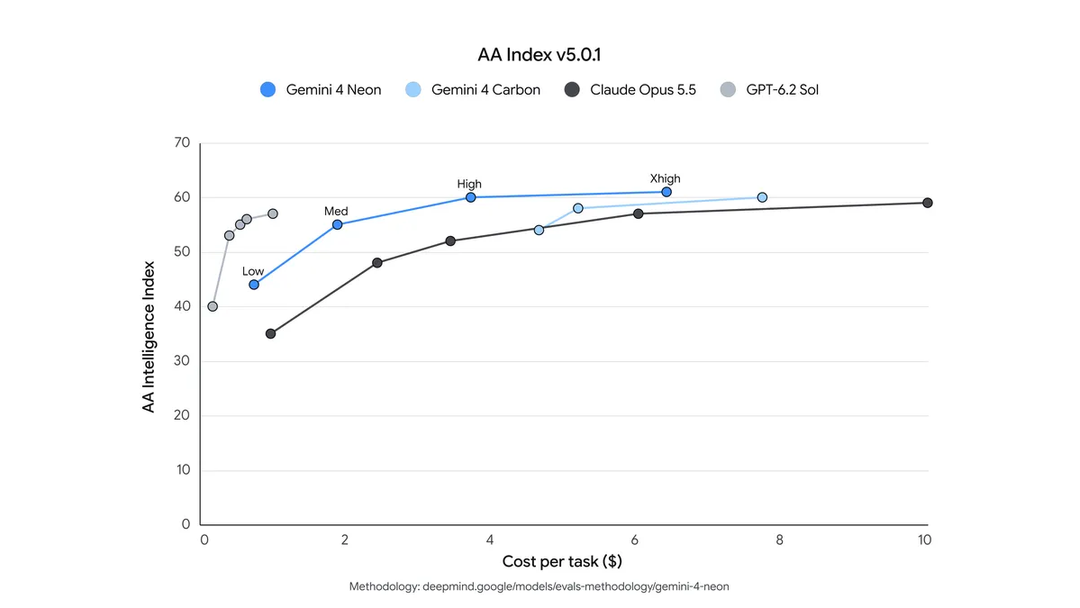
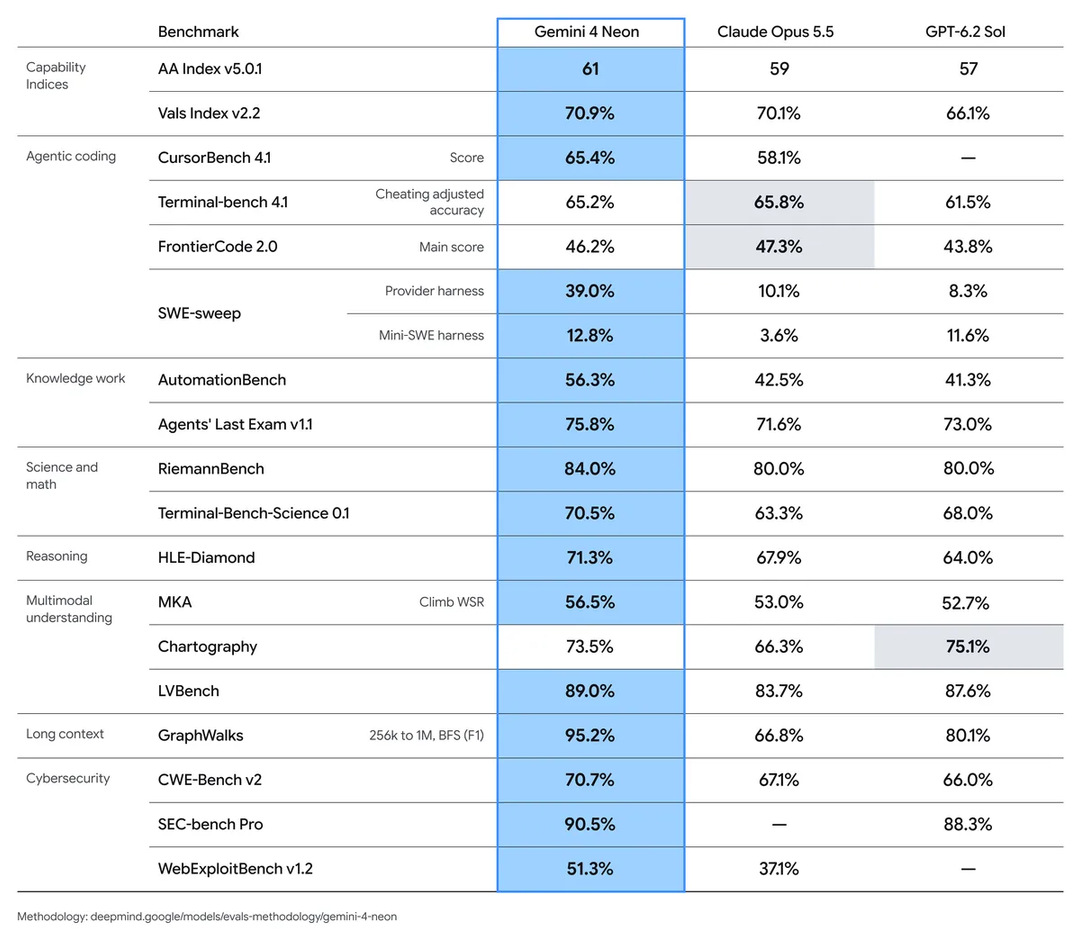
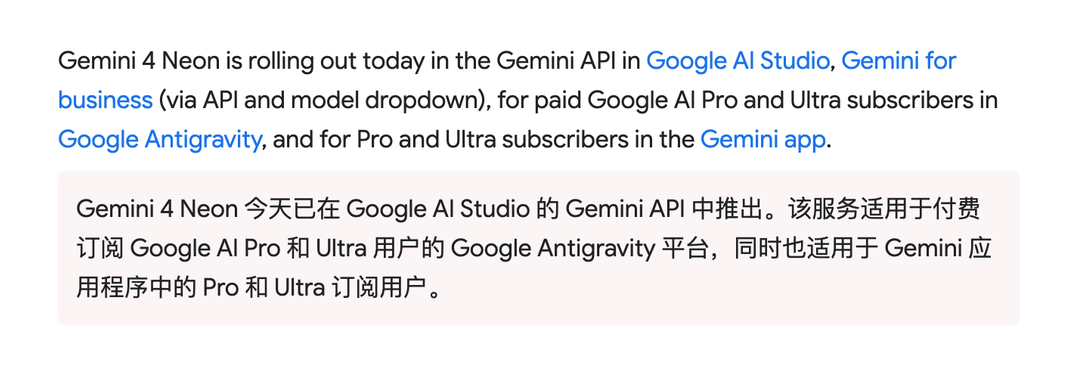
Google has launched Gemini 4 Neon for complex software engineering, knowledge work and scientific workflows. It has four thinking levels and a 1-million-token context window, and can work across spreadsheets, PDFs, charts, audio and video. Capability and cost: Google says it ranks first on the Artificial Analysis Coding Agent Index with 58.6, second on the Vals Index and second for steerability on the new Agent Arena Index; at the default high setting its cost per task is 32% lower than Carbon's. On safety, its protections against cyber and biosecurity misuse are comparable to Carbon's while it refuses far less legitimate work, and Google has also launched Gemini 4 Neon for cyber for security defence. Pricing and availability: US$3 per million input tokens (US$0.15 cached) and US$15 per million output tokens. It is available in the Gemini API in Google AI Studio and in Gemini for business, to paid Google AI Pro and Ultra subscribers in Antigravity, and to Pro and Ultra subscribers in the Gemini app.
Blogblog.google/innovation-and-ai/models-and-research/gemini-models/introducing-gemini-4-neon/
Model cardstorage.googleapis.com/deepmind-media/Model-Cards/Gemini-4-Neon-Model-Card.pdf
Leaderboardartificialanalysis.ai/agents/coding-agents#coding-agents-index
2. Google updates Project Genie and opens up the Genie 4 world model
Google has launched a new Project Genie experience that gives eligible Google AI Ultra subscribers (18+) access to the Genie 4 world model; Google AI Pro members can join the waitlist. What's new in Genie 4: you can type a prompt mid-session to change the world, such as shifting the weather, adding a character or redirecting the action, and for the first time it adds real-time native audio that adapts to the scene, from ambient sound to character dialogue. The new Project Genie agent lets you describe your idea in conversation and uses Google's multimodal models to create the world's look and music; Gemini can also watch the screen, suggest where to go next or trigger events. A new community gallery lets you browse and remix other people's worlds. Genie 3 has also been updated: sessions now last up to 3 minutes (up from 60 seconds), worlds can be chained together, and new worlds can be seeded from 360-degree panoramas. All generated video and audio carries a SynthID watermark. Google says it is still working on camera latency, complex physical interactions, real-time audio precision and long-term scene consistency.
Blogdeepmind.google/blog/genie-4-is-now-available
Try itlabs.google/projectgenie
Postx.com/GoogleLabs/status/2123118145552749015
3. Tencent Hunyuan open-sources three Hy4 flash checkpoints
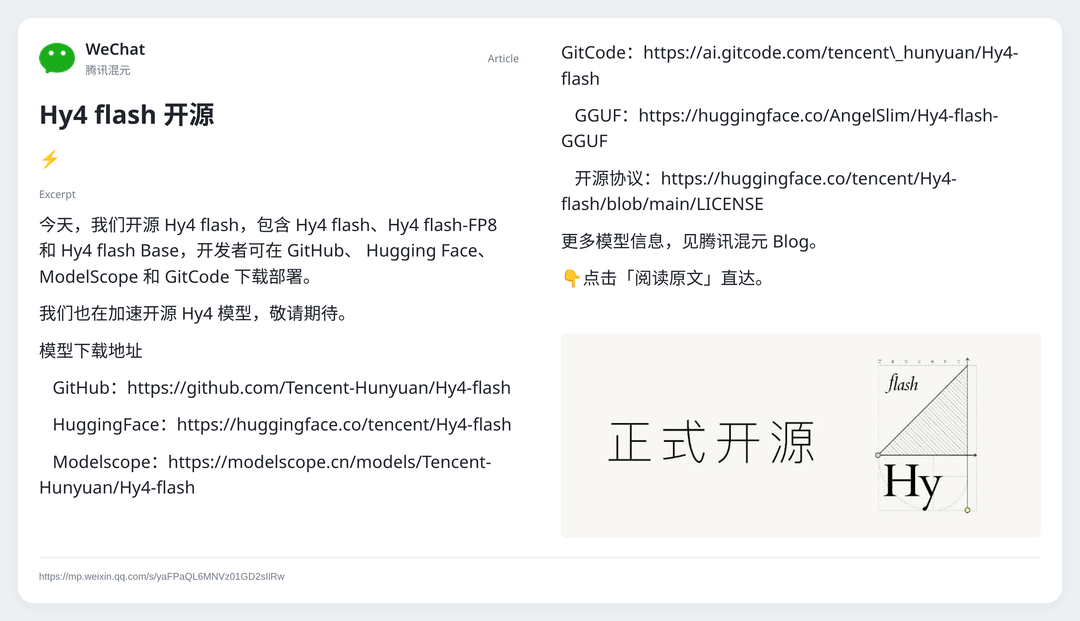
Tencent Hunyuan has open-sourced the Hy4 flash series, including Hy4 flash, Hy4 flash-FP8 (quantised) and Hy4 flash-base (pre-trained), available on Hugging Face, ModelScope, GitCode and other platforms. Specs: 220B total parameters (including 64B Engram parameters), 12B active per token, text and image input, and a context of up to 1 million tokens.
Weightshuggingface.co/tencent/Hy4-flash
Repogithub.com/Tencent-Hunyuan/Hy4-flash
II. Developer ecosystem and tooling
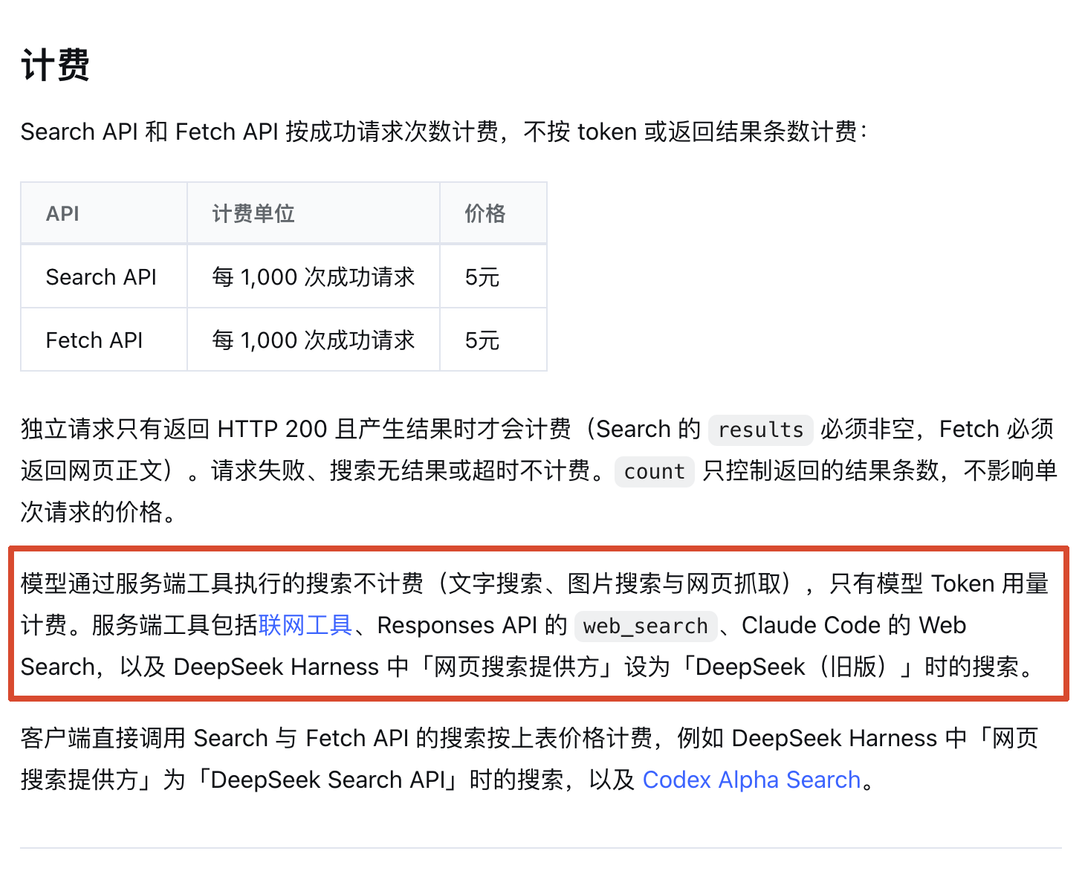
1. DeepSeek changes search billing: searches and fetches triggered by the model are no longer charged separately
According to DeepSeek's API docs, from 12:00 Beijing time on 18 November 2026, server-side search and web fetches triggered when calling a model are no longer billed, and you pay only for model tokens. Server-side search is triggered by the web search tool and by the web_search tool in the Anthropic API and Responses API. Calling the Search API or Fetch API directly is still billed per use, at 5 yuan per 1,000 successful requests.
Pricingapi-docs.deepseek.com/zh-cn/quick_start/pricing
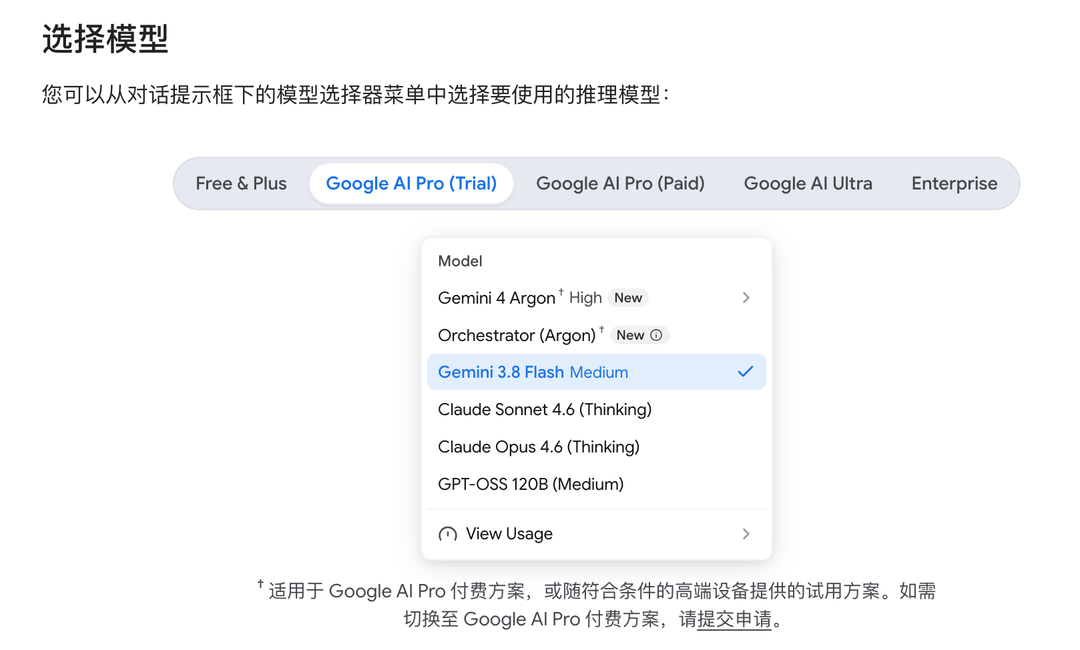
2. Antigravity updates model access by plan, leaving free and Plus users with only Gemini 3.8 Flash among Gemini models
Google has updated the Antigravity docs on which models each plan can use. Free and Google AI Plus users get only Gemini 3.8 Flash among Gemini models. Google AI Pro gets Gemini 4 Neon, Argon and Hydrogen (but not Carbon); Neon and Argon require a paid Pro plan or a trial on an eligible premium device, and Hydrogen is for non-trial subscriptions only. Ultra gets all Gemini 4 models. Claude Sonnet 4.6, Claude Opus 4.6 and GPT-OSS-120b were removed on 18 November.
Docsantigravity.google/docs/models
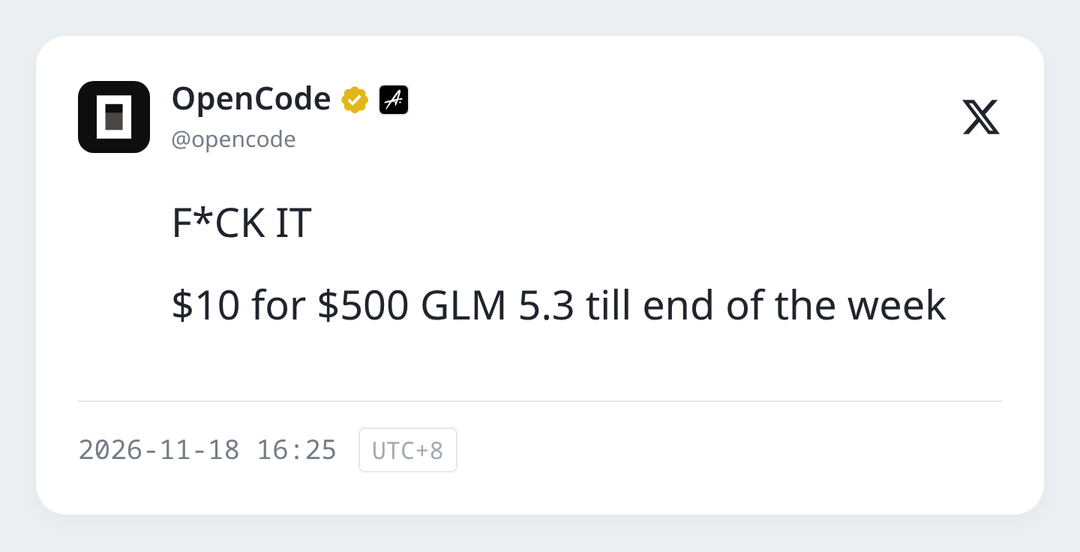
3. OpenCode: US$10 Go subscribers get US$500 of GLM 5.3 usage this week
OpenCode says that until the end of the week, OpenCode Go subscribers (US$10) get US$500 of GLM 5.3 usage. The offer was earlier rolled out in two steps, first at US$100 and then US$200.
Postx.com/opencode/status/2122969474571583885
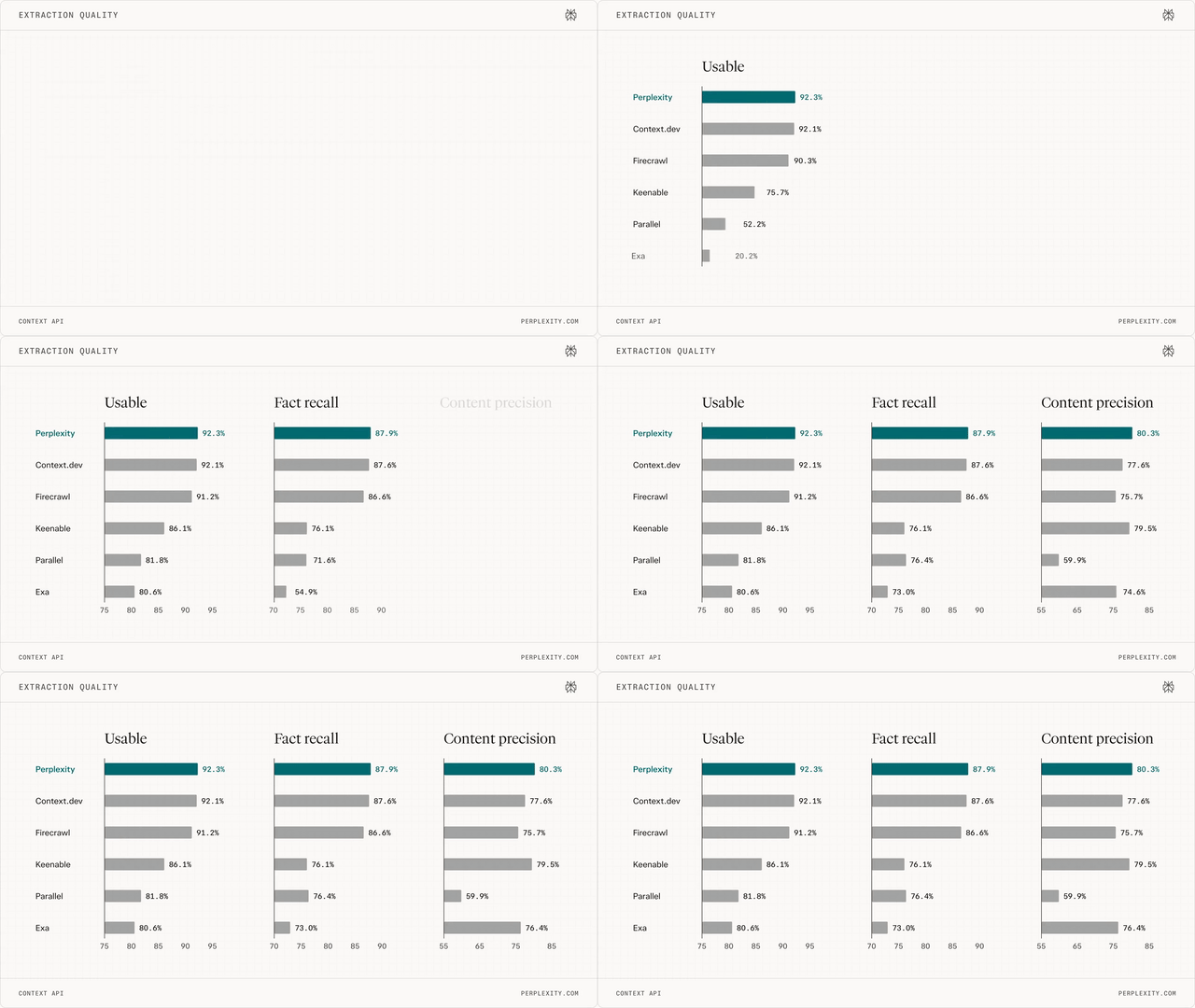
4. Perplexity launches the Context API for reading web pages by URL
Perplexity has launched the Context API: give it URLs you already have, and it returns cleaned Markdown, HTML, links, query-relevant passages and page metadata. Each request can read 10, 15 or 25 URLs depending on your usage tier, and up to 50 with a raised limit. How it fetches: by default it uses a stored copy up to two days old and fetches live if there isn't one; you can also force a live fetch or use stored copies only. It costs US$1 per 1,000 successfully fetched URLs, and failed URLs are free.
Docsdocs.perplexity.ai/docs/context/quickstart
III. Products shipping
1. ChatGPT launches Live Dictation and removes the 10-minute recording limit
OpenAI has launched Live Dictation in ChatGPT: your speech turns into text as you talk, so you don't wait for the whole message to transcribe, and you can tap the waveform to show or hide the text. The 10-minute recording limit is gone. It is rolling out globally to all ChatGPT plans on iOS, Android, web and desktop.
Release noteshelp.openai.com/en/articles/6825453-chatgpt-release-notes
Postx.com/ChatGPT/status/2123114715257946334
2. ChatGPT for Accounting launches for closing the books, reconciliation and draft entries
OpenAI has launched ChatGPT for Accounting, with a new Accounting plugin and partner plugins for month-end reports, bank reconciliation, data entry, audit preparation and other close work, connecting to finance tools such as QuickBooks, Xero, NetSuite, BILL and FreshBooks. ChatGPT can draft entries from invoices and receipts, suggest account coding and flag unclear details, and gather documents from email, files and accounting apps for reconciliation; you review the supporting records and calculations before approving entries or reports. OpenAI says data from ChatGPT Business and Enterprise isn't used to train its models by default.
Productopenai.com/business/solutions/accounting
Postx.com/ChatGPT/status/2123159134963196357
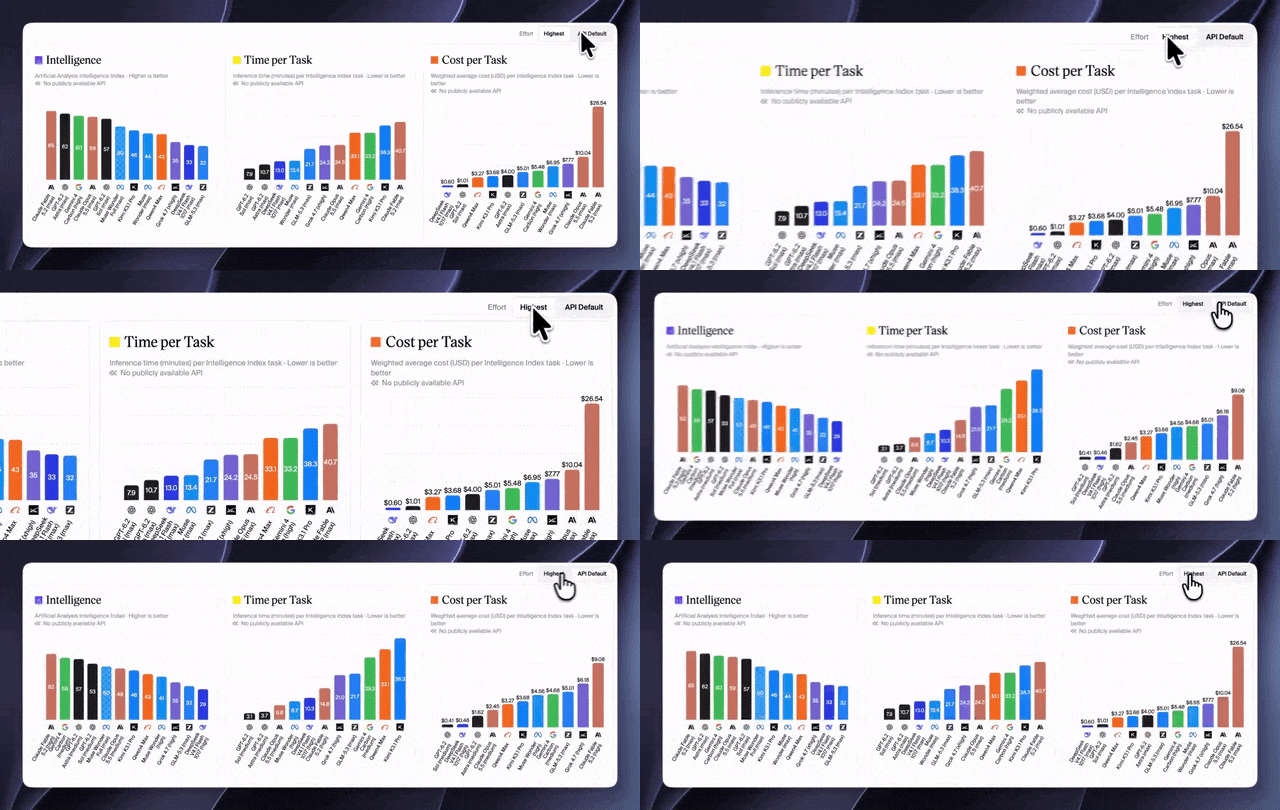
3. Artificial Analysis adds reasoning effort filters across the site
Every chart on Artificial Analysis now has reasoning effort filters; homepage highlights can switch between each model's highest effort level and its API default; and the model comparison tool can compare scores across effort levels.
Postx.com/ArtificialAnlys/status/2123121873555013816
Comparison toolartificialanalysis.ai/models/comparisons
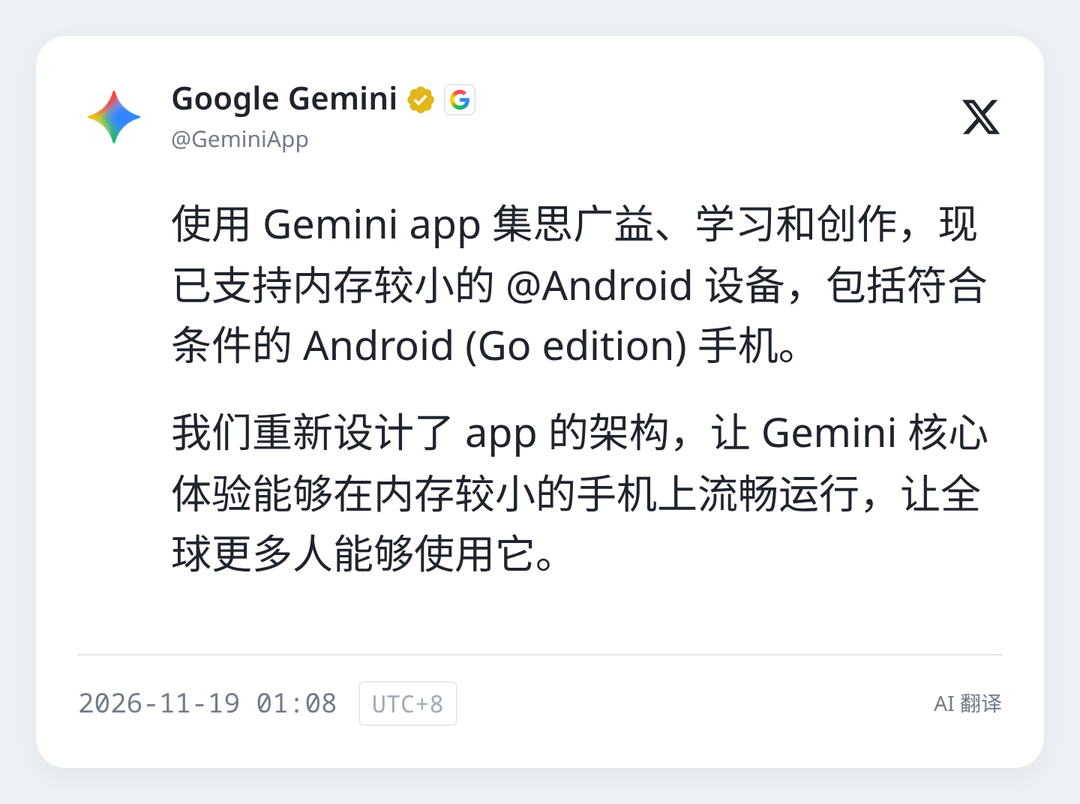
4. The Gemini app now runs on lower-memory Android phones, including Android Go devices
Google says the Gemini app now supports lower-memory Android devices, including eligible Android (Go edition) phones; the app was re-architected so the core experience runs smoothly on hardware with less memory. You can talk with Gemini Live in more than 45 languages, point your camera at notes or forms to learn and translate, and create images with Nano Banana. Download it from Google Play, press and hold the power button on supported phones, or find it preloaded on upcoming devices from partners such as Transsion.
Blogblog.google/innovation-and-ai/products/gemini-app/gemini-lower-memory-devices/
Postx.com/GeminiApp/status/2123100943604707606
5. Google Labs launches Stitch Loop, an agent that keeps improving live products
Google Labs has launched Stitch Loop, a new experiment in the design tool Stitch: it connects to your GitHub codebase and product data such as logs, user behaviour and feedback (with more than 180 integrations) and keeps improving software after launch. It comes with three built-in loops for security, latency and accessibility; the security loop pairs Gemini 4 Carbon with CodeMender, Google DeepMind's code security agent. You can also create your own loops, for example to improve checkout conversion. Nothing merges until you review the PR. The waitlist is open globally, with priority for eligible Google AI Ultra users.
Blogblog.google/innovation-and-ai/models-and-research/google-labs/stitch-loop/
Productstitch.google.com/loop
Postx.com/stitchbygoogle/status/2123100817863663686
IV. Technical insight and frontier research
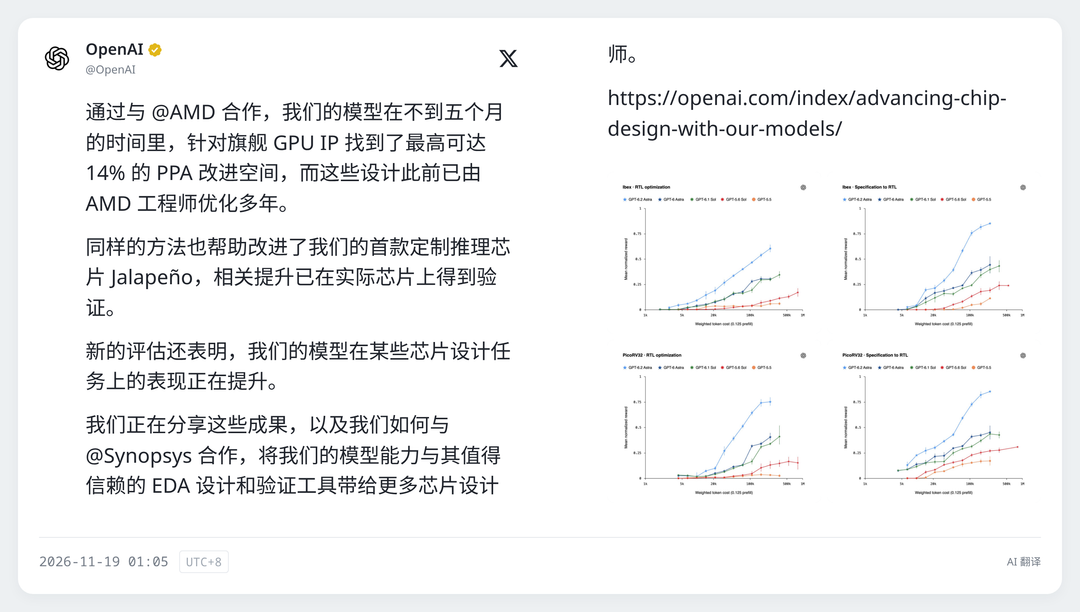
1. OpenAI says its models are helping design chips: gains verified on Jalapeño silicon and up to 14% on an AMD GPU design
OpenAI says that in designing Jalapeño, its first custom inference chip, changes proposed by its models cut standard-cell area by about 13% in the vector unit and 10% in the matrix unit, and these gains were verified on real silicon. Working with AMD, its models rewrote the SystemVerilog RTL that describes the chip's circuits and found up to 14% improvement in power, performance and area (PPA) on AMD's flagship GPU IP relative to heavily optimised baselines, in less than five months; OpenAI says that is roughly a year of progress, and AMD has already used some of the changes in a recent design sent for manufacturing. OpenAI is also working with Synopsys to combine its models with the electronic design automation (EDA) tools engineers already use.
Blogopenai.com/index/advancing-chip-design-with-our-models
Postx.com/OpenAI/status/2123100386638877054
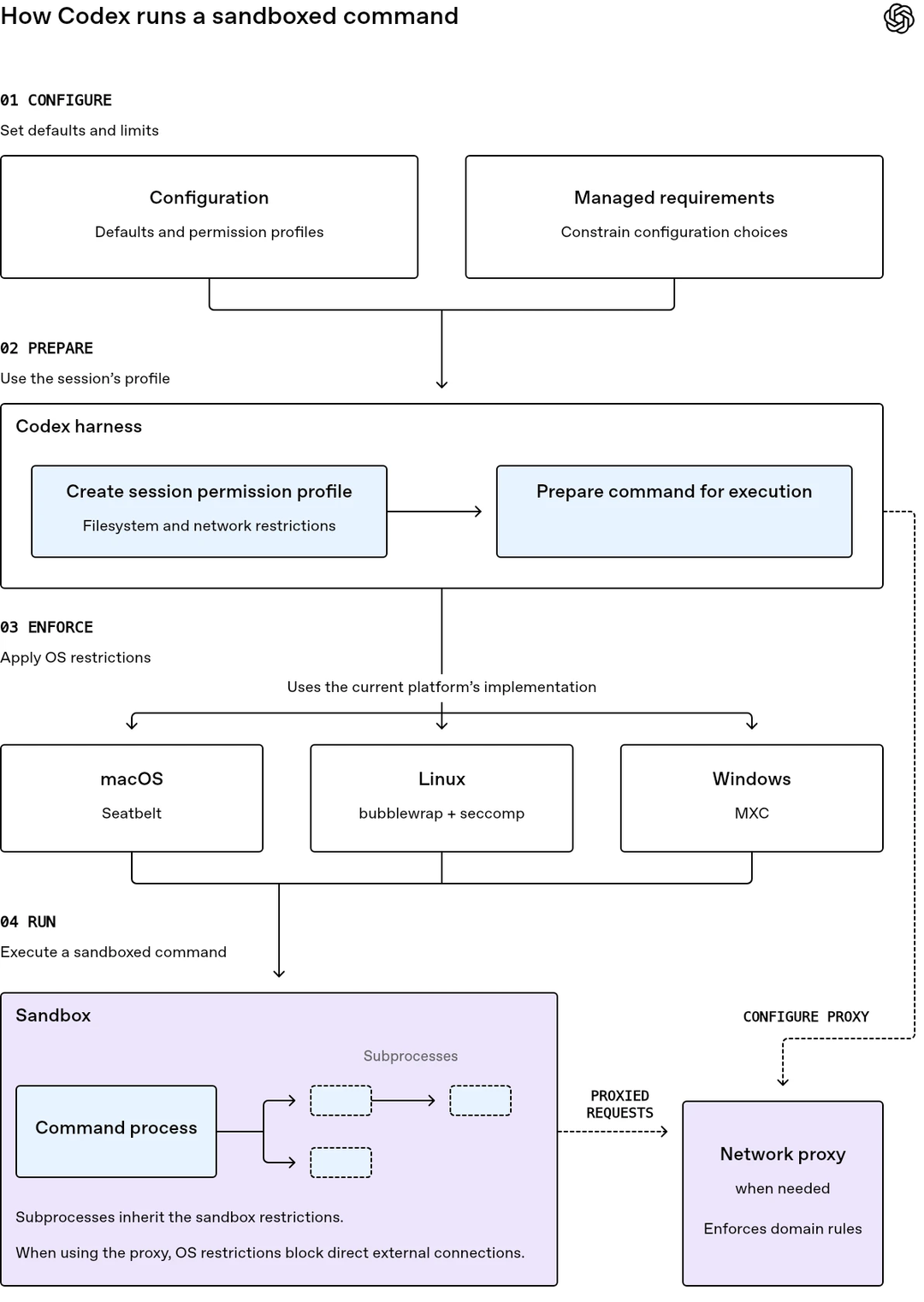
2. OpenAI explains the Codex sandbox: no containers, no network by default, domains allowed by rule
OpenAI has published a post on how the Codex sandbox works: instead of virtual machines or containers, it uses operating system mechanisms to limit which files and network resources commands can reach in your existing environment, on macOS, Linux and Windows. Default permissions: Codex can edit source code in the workspace directly, while .git and .codex stay read-only; network access is off by default, and when a command requests more access, Codex asks you or routes the request to auto-review. Domains you need regularly, such as a package registry, can be allowed in rules with the network proxy on, and matching requests don't need approval each time. Under the hood: Seatbelt on macOS, bubblewrap with seccomp-bpf on Linux, and on Windows a move to an implementation based on Microsoft's MXC library.
Blogopenai.com/index/inside-the-codex-sandbox/
Postx.com/OpenAIDevs/status/2123129477047718171
3. Arena launches the Agent Arena Index
Arena has launched the Agent Arena Index, an overall leaderboard based on more than 2.9 million real user sessions, plus six new indexes: Agentic Work, Agentic Coding, Agentic Chat, Task Outcome, Steering and Tool Use; the Alignment Index continues unchanged alongside it. The new leaderboard uses a new score rescaling so scores can be compared over time, which Arena says doesn't change the rankings. According to Crypto Briefing and others, Anthropic's Claude Fable 5.2 ranks first and Gemini 4 Neon second.
Blogarena.ai/blog/introducing-the-agent-arena-index
4. Analysis: this week's model race has shifted from scores to usefulness per dollar
Look at 18 and 19 November together: OpenAI's Sol comes within 0.5 points of Astra at about a fifth of the cost, Google's Neon tops a coding index at 32% lower cost per task than Carbon, Microsoft's Code 2 delivers 98% of the performance at about 40% of the cost, and Tencent's Hy4 flash runs 220B total parameters with 12B active. Within two days, they all point the same way. Meanwhile, evaluators are adding reasoning effort as a dimension (Artificial Analysis), and pricing is getting simpler (DeepSeek folding model-triggered search into token billing). The competition is moving from who has the highest peak to who gets more done on the same budget. For buyers, rather than comparing top-setting scores, test on your own tasks with a fixed budget.
5. Analysis: world models can now be changed as you play, but they are still research prototypes
Genie 4's main step forward is not image quality but the ability to change the environment while you explore, plus audio and character dialogue that adapt to the scene for the first time. This moves world models from producing something to watch towards simulations you can keep intervening in, which embodied AI and simulation training need. But Google also says Genie 3 and Genie 4 remain frontier research models, and it is still working on camera latency, complex physical interactions, real-time audio precision and long-term scene consistency. Using them as production training environments will need more determinism and reproducibility.
V. Industry moves
1. Ahead of Anthropic's IPO, CAIS and others sign a statement challenging its safety image
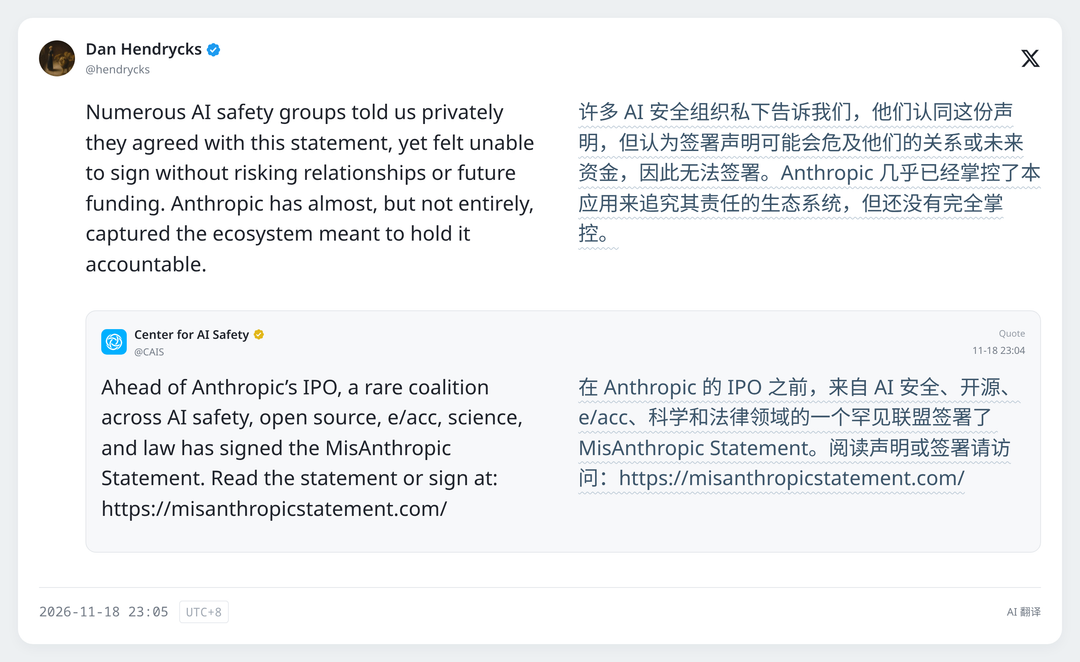
Ahead of Anthropic's IPO, the Center for AI Safety (CAIS) and a coalition of prominent figures signed the MisAnthropic Statement, which accuses the company of warning that recursively self-improving AI could concentrate power and escape human control while racing to build it first, and of using its safety branding to court investors and employees; the statement also says it has quietly weakened its safety pledges and lobbied for self-serving regulation. Signatories include Turing Award winner Judea Pearl and Hugging Face co-founder Thomas Wolf. CAIS executive director Dan Hendrycks said many AI safety groups privately agreed with the statement but felt unable to sign without risking relationships or future funding.
CAISsafe.ai/news/anthropic-is-not-a-safe-ai-company
Hendrycksx.com/hendrycks/status/2123070133522350176
2. Tencent Q3 results: WorkBuddy passes 10 million daily users, and WeChat Xiaowei reaches 30 million
Tencent's results for the third quarter of 2026 report: WorkBuddy: more than 10 million daily active users who together consume more than 100 trillion large language model tokens a day, with enterprise adoption growing fast; measured by token consumption, it is now the most used AI product in China. Ma Huateng said that, measured by users' total daily token consumption, WorkBuddy has become the largest AI application in China. WeChat Xiaowei: the results say Tencent expanded Xiaowei's availability and use cases and is deepening its integration with Mini Programs and Mini Shops. According to several media reports, Tencent president Martin Lau said on the earnings call that Xiaowei has reached 30 million daily active users.
3. Doubao Work passes 8 million daily users three months after launch
According to media reports, Doubao Work says it has passed 8 million daily active users three months after launch, with annual recurring revenue (ARR) from enterprise customers above 2 billion yuan. Doubao Work is built for office work: it breaks down tasks described in natural language and calls tools to complete research, analysis and content creation.
4. NGINX security update fixes 10 vulnerabilities, two of which could allow remote code execution
F5 has released an NGINX security update fixing 10 vulnerabilities. Wiz Research says two of them, in HTTP/2, could let unauthenticated attackers execute code remotely, but both require HTTP/2 to be enabled on the server. Affected versions: the two flaws affect 1.9.5 to 1.31.8 and 1.19.7 to 1.31.8 respectively, and are fixed in 1.31.9 and 1.30.7. Wiz recommends temporarily disabling HTTP/2 if you can't upgrade right away.
Advisoriesnginx.org/en/security_advisories.html
Researchwww.wiz.io/blog/nginx-http2-rce-vulnerabilities
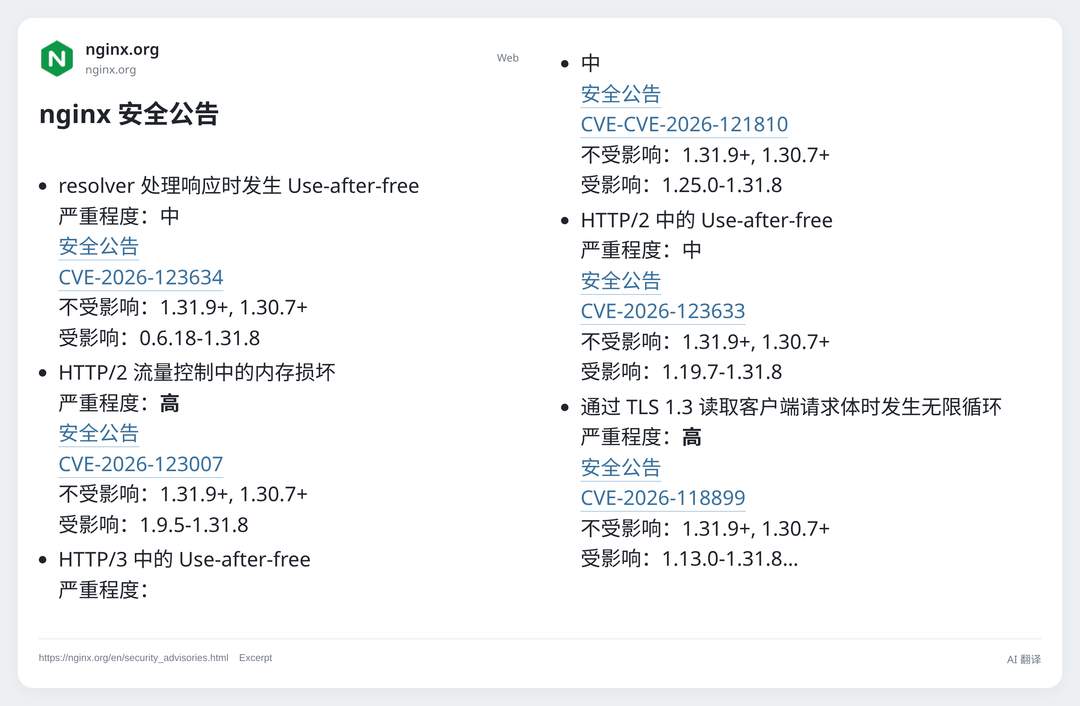
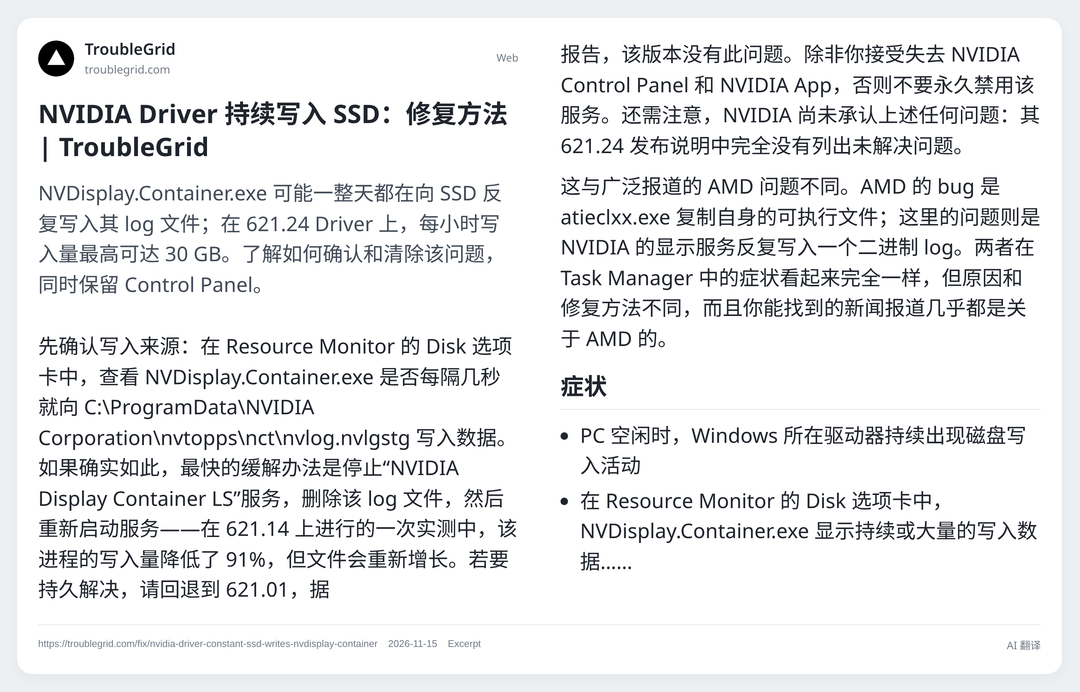
5. Users report the NVIDIA 621.24 driver writing heavily to disk when idle
According to Tom's Hardware, TechPowerUp and others, users report that NVIDIA's 621.24 graphics driver keeps writing logs while the PC is idle, up to about 30GB an hour, which could wear out SSDs faster.
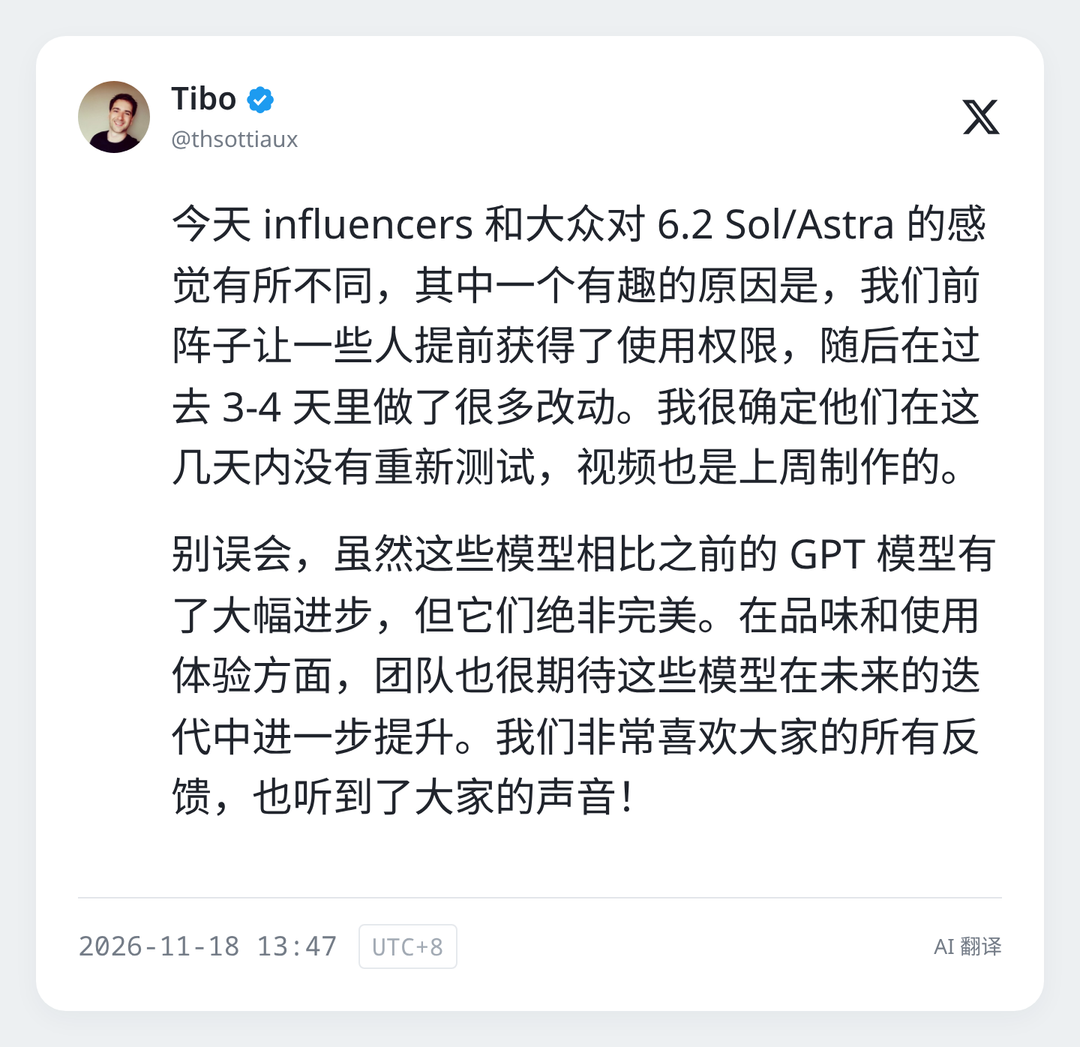
6. GPT-6.2 reception: OpenAI's Tibo responds to the split in opinion
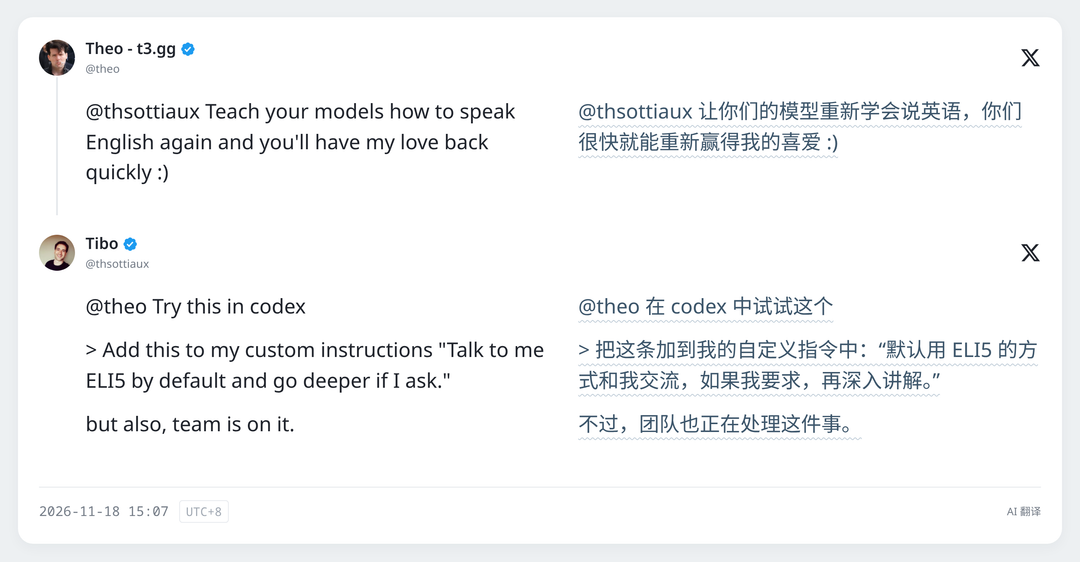
OpenAI's Tibo (@thsottiaux) posted several replies about the GPT-6.2 controversy: Mixed impressions: he said some influencers got access early, the models changed a lot in the last 3 to 4 days before launch, and he believes they didn't re-test and their videos were made the week before. He also said both models are a big step up from their predecessors but far from perfect, the teams want to improve their "taste and niceness of use" in future versions, and he recommended Pro 200/500 users try 6.2 Sol with Ultrafast. Communication: developer Theo told him to "teach your models how to speak English again". Tibo suggested adding "Talk to me ELI5 by default and go deeper if I ask" to Codex custom instructions and said the team is on it; Theo replied that it hadn't helped much, but after talking to OpenAI researchers he is confident it will be fixed in the next release. Negative reviews at the same time: Matt Shumer said the reviews came out together because the embargo lifted, and were negative because the model is bad. Tibo replied "I do think you all coordinated on a slack channel" with an eyes emoji. Matt said they had access for weeks but got only a 10-minute heads-up before launch, and that his video was made on the day.
Tibox.com/thsottiaux/status/2122929634916679820
Theox.com/theo/status/2122934242648932366
Matt Shumerx.com/mattshumer_/status/2122895253468295605
VI. Outlook and market rumours
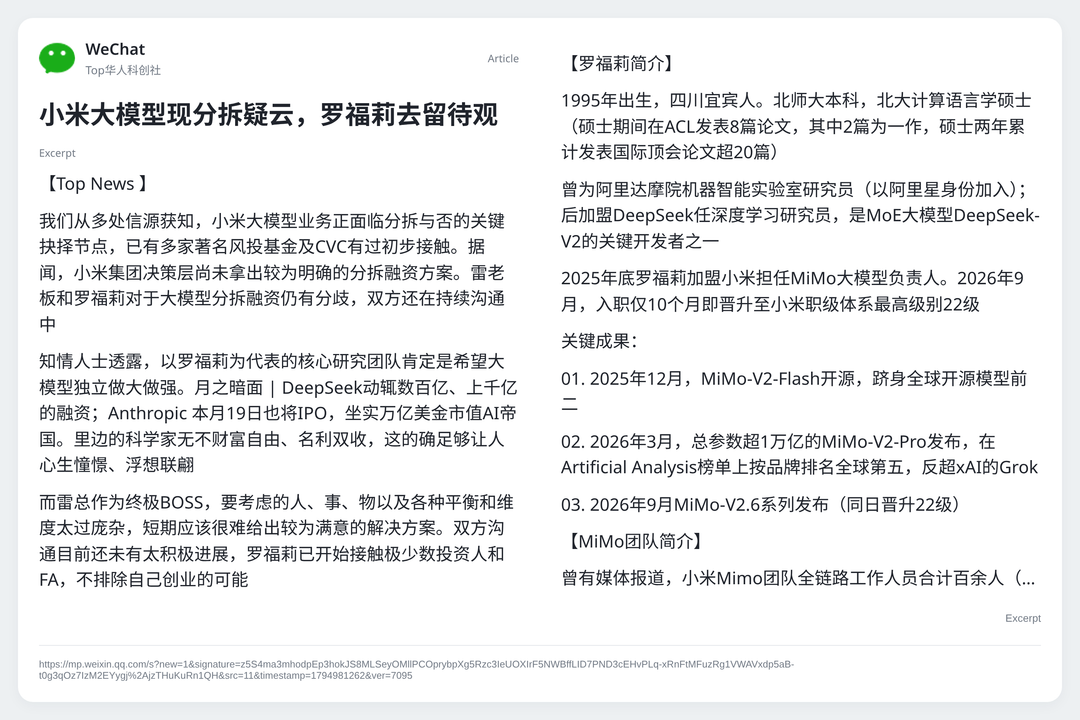
1. Reports say Xiaomi is weighing independent funding for MiMo, with Lei Jun and Luo Fuli disagreeing
According to BlockBeats, Futu and other media, Xiaomi is weighing whether to spin off its MiMo large model business for independent funding, and Lei Jun and MiMo lead Luo Fuli disagree on the matter. Xiaomi has not commented; these are media reports.
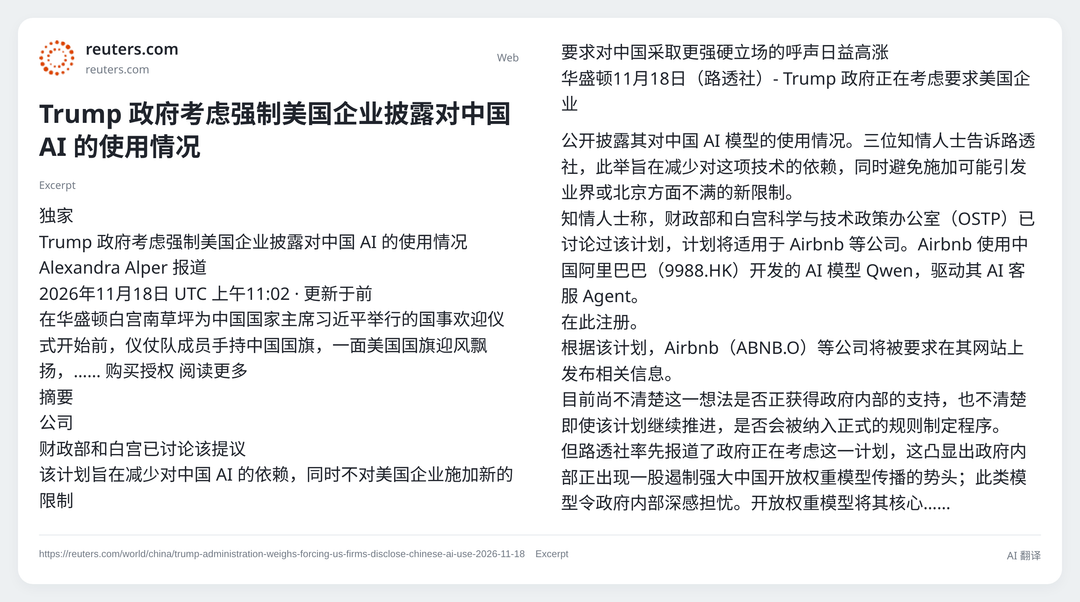
2. Reuters: the US government is weighing requiring companies to disclose their use of Chinese AI models
Reuters reports exclusively that the Trump administration is weighing a proposal requiring US companies to publicly disclose their use of Chinese AI models on their websites, using public pressure to reduce reliance on Chinese AI. Whether and when the proposal will move forward is unclear.
3. Watch: public opinion ahead of Anthropic's IPO
The CAIS statement comes as Anthropic's IPO is under way. Its safety image is one source of its valuation premium and has now become the target of public, named criticism. If more organisations sign on or regulators respond, it could affect investors' views; so far there is no evidence it has affected pricing.
VII. Claw roundup
In this issue's 24-hour window, neither OpenClaw nor its forks in China announced new releases or features.
VIII. Trending open source on GitHub
1. Tencent-Hunyuan/Hy4-flash
Momentum: newly open-sourced this issue. Summary: Tencent Hunyuan's open-source Hy4 flash series (including FP8 quantised and base pre-trained versions), 220B total and 12B active parameters, text and image input and a 1M context, under Tencent's own Hy licence.
Repogithub.com/Tencent-Hunyuan/Hy4-flash
2. openclaw/openclaw
Momentum: about 395,000 GitHub stars. Summary: an open-source local autonomous AI agent that runs across operating systems and platforms, written in TypeScript, MIT-licensed.
Repogithub.com/openclaw/openclaw
3. vllm-project/vllm
Momentum: about 97,000 GitHub stars, a benchmark among high-throughput inference engines. Summary: a high-throughput, memory-efficient engine for serving large language models, Apache-2.0 licensed.
Repogithub.com/vllm-project/vllm
4. a2ui-project/a2ui
Momentum: about 17,000 GitHub stars. Summary: a Google-led open protocol for agent interfaces, where agents describe the UI and clients render forms and charts natively, Apache-2.0 licensed.
Repogithub.com/a2ui-project/a2ui
5. unclecode/crawl4ai
Momentum: about 87,000 GitHub stars. Summary: a web crawling and extraction tool for AI agents that you can self-host, Apache-2.0 licensed.