1. Google releases the Gemini Omni 1.2 Flash video model, with native clips up to 15 seconds and prices cut by 30%;
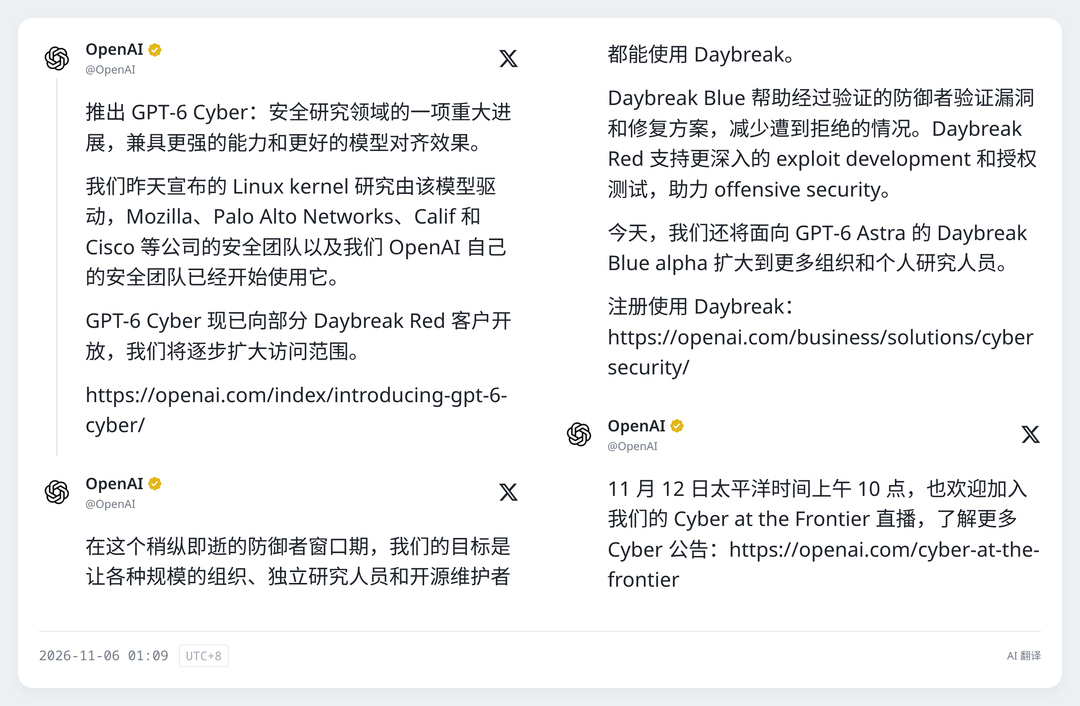
2. OpenAI launches GPT-6 Cyber, a dedicated cybersecurity model with much stronger vulnerability-finding abilities;
3. Ant Ling's Ling-3.2-flash multimodal model goes live on its API;
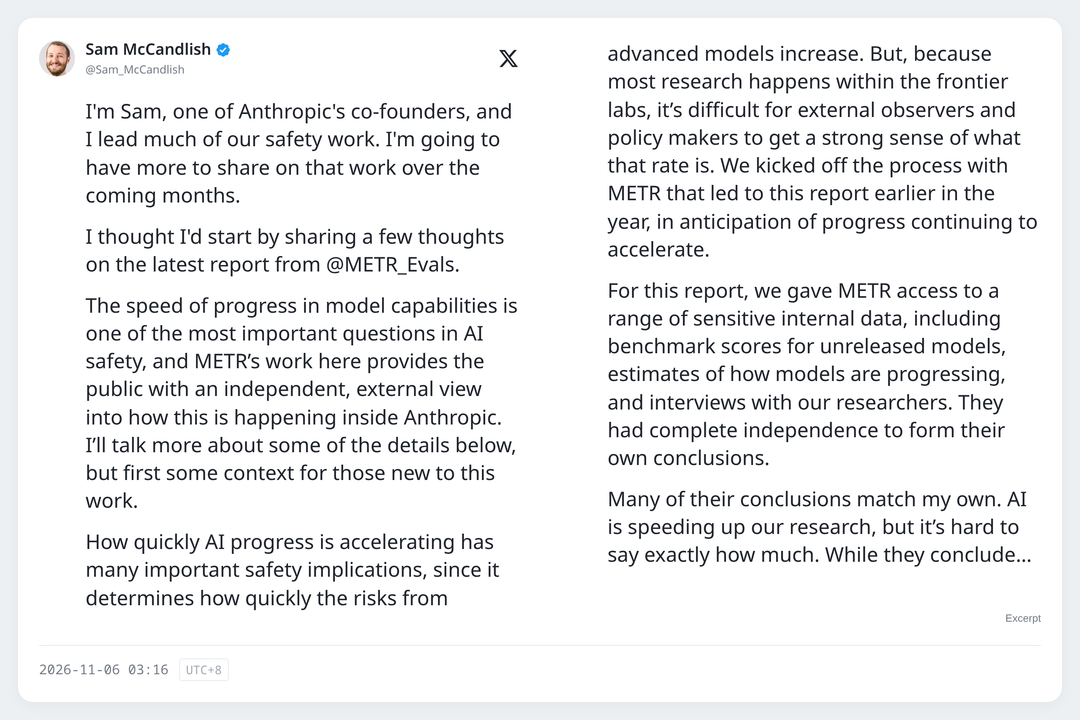
4. A METR assessment finds Anthropic's R&D has sped up markedly;
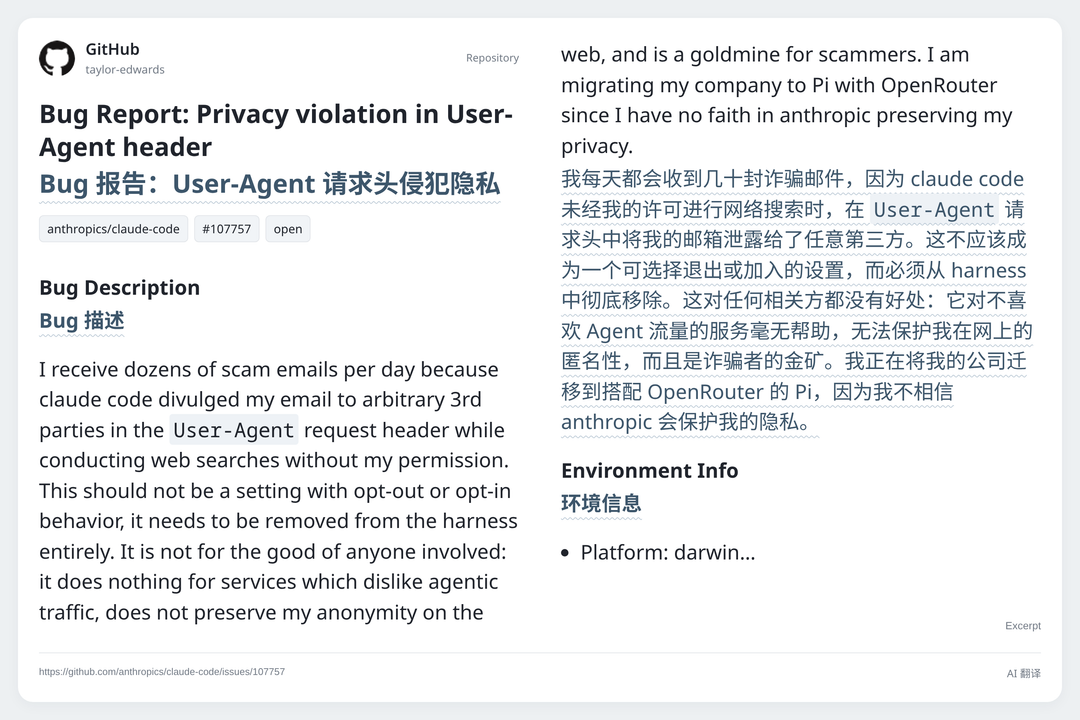
5. A Claude Code issue exposed users' account email addresses;
6. A US congresswoman calls for a ban on artificial superintelligence.
I. Model releases and open source
1. Google releases the Gemini Omni 1.2 Flash video generation model
Google has released Gemini Omni 1.2 Flash, raising the native video limit from 10 to 15 seconds, with duration set by the second and multi-turn conversational editing that changes a video without regenerating it all. Images, motion clips of up to 3 seconds and audio can be used as references; consistency across characters, scenes and shot changes is improved, along with dialogue, lip sync and camera control. Output at 360p or 720p can be upscaled to 1080p or 4K; 720p video costs US$0.07 per second, 30% less than the previous version. The model is rolling out in Flow, Google Vids, the Gemini app and the Gemini API, with AI Ultra subscribers getting early access. Google notes that fast sports action, rapid scripted cuts and complex physics remain weak spots.
Blogblog.google/innovation-and-ai/technology/developers-tools/introducing-gemini-omni-1-2-flash/
2. OpenAI releases GPT-6 Cyber, a dedicated cybersecurity model
OpenAI has released GPT-6 Cyber, a model built for offensive and defensive security work. Its ExploitGym score rose from 32.1% to 48.5%; without additional safety prompts it stayed within task boundaries in 99.93% of tests, and 100% with them. OpenAI researchers used it to find 81 previously unknown high-severity vulnerabilities in Firefox and to develop working exploits for 948 Linux kernel privilege escalation vulnerabilities; under the Preparedness Framework it is rated Critical in cybersecurity, up from High for GPT-5.6 Cyber. It is currently available only to approved members of the Daybreak programme, with access to widen in stages.
Announcementopenai.com/index/introducing-gpt-6-cyber/
Deployment safety documentation: https://deploymentsafety.openai.com/gpt-6-cyber
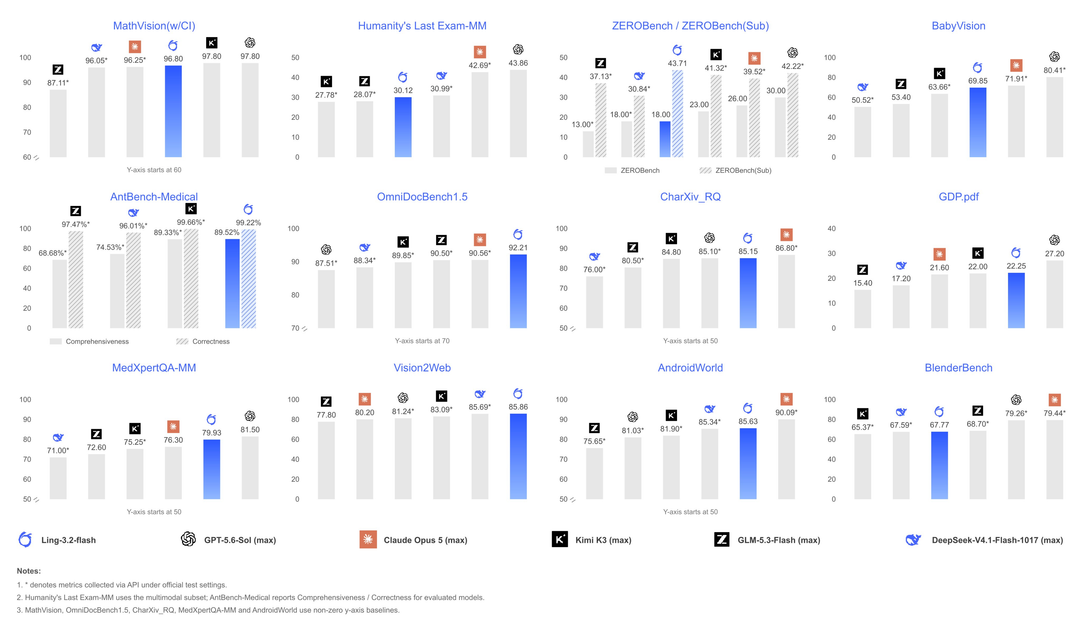
3. Ant Ling's Ling-3.2-flash multimodal model goes live on its API
Ant Ling has launched Ling-3.2-flash, a natively multimodal MoE model with 560B total and 25B active parameters per token, a 1M-token context, and text, image and video input. It targets complex visual understanding, long-horizon multimodal agents, 3D interaction and medical intelligence; in Ant's evaluations it beats Claude Opus 5 (max) on OmniDocBench1.5, ZEROBench (Sub) and Vision2Web. It is available only through the API; the weights have not been released.
Postx.com/AntLingAGI/status/2118428246664761379
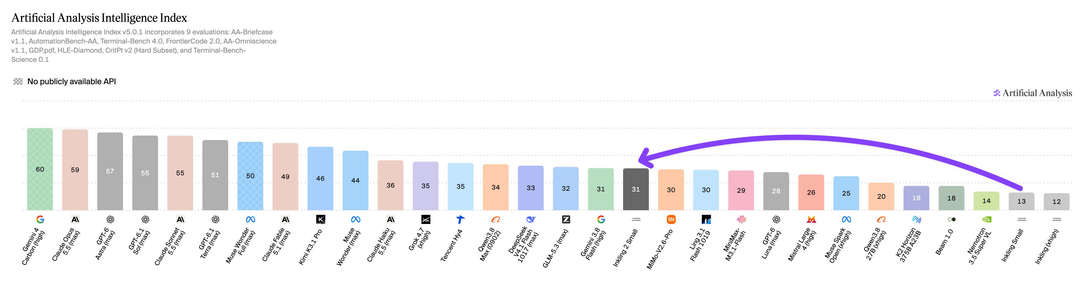
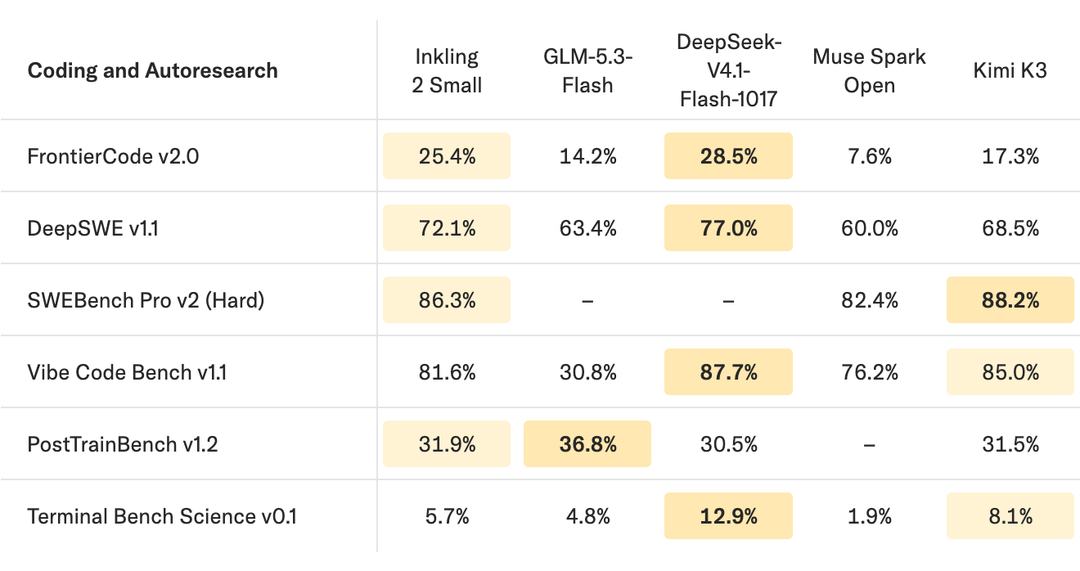
4. Thinking Machines' Inkling 2 Small is about to be open-sourced
Thinking Machines has released Inkling 2 Small, an MoE model with 594B total and 17B active parameters, image input and variable reasoning effort. It scores 31 on the Artificial Analysis Intelligence Index, well above its predecessors. It can be tried now in Tinker Playground; the company plans to release the full weights under the Apache 2.0 licence next week, after external safety testing and red-teaming.
Announcementthinkingmachines.ai/news/inkling-2-small/
5. Baidu releases the pre-trained weights of ERNIE-5.5-Flash-Base
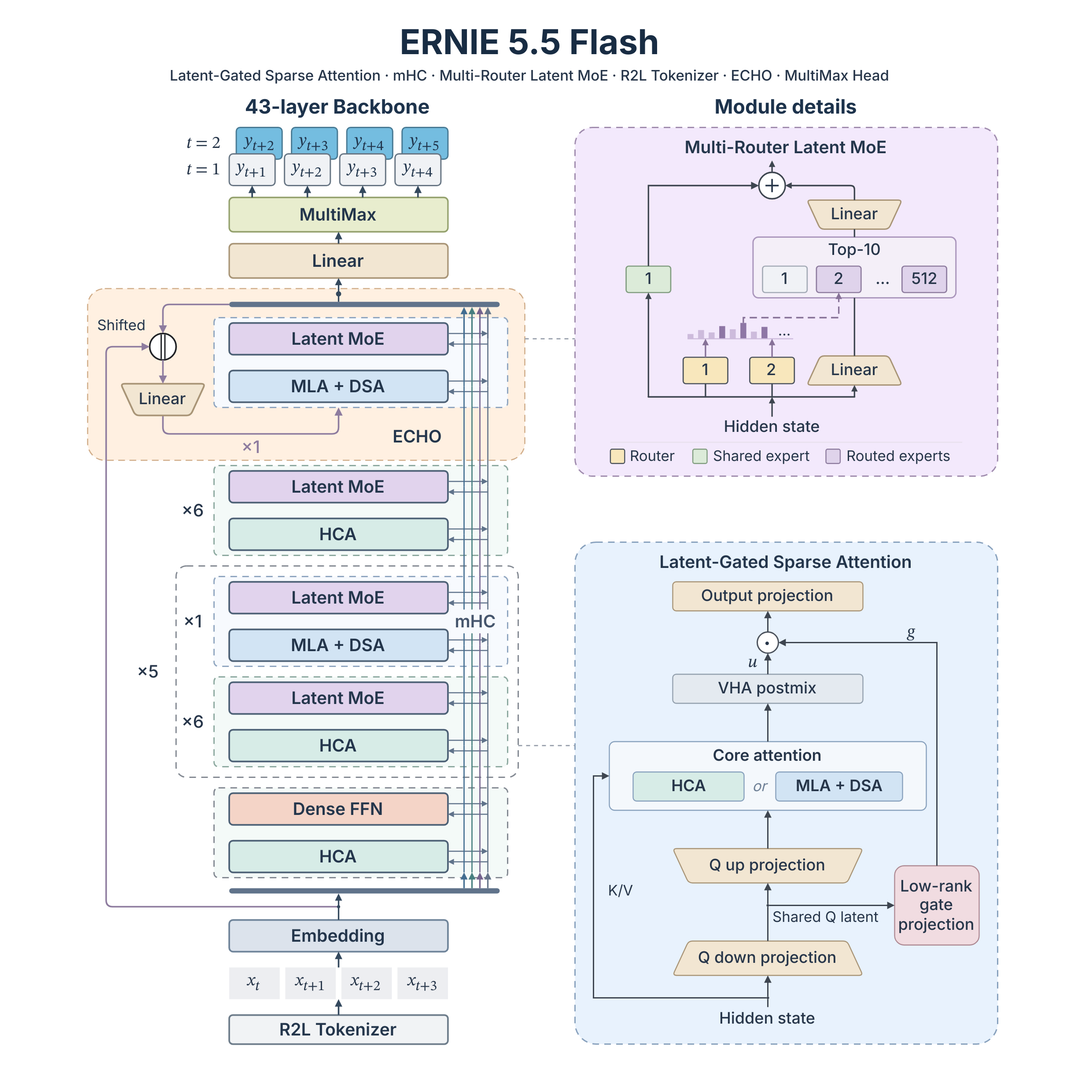
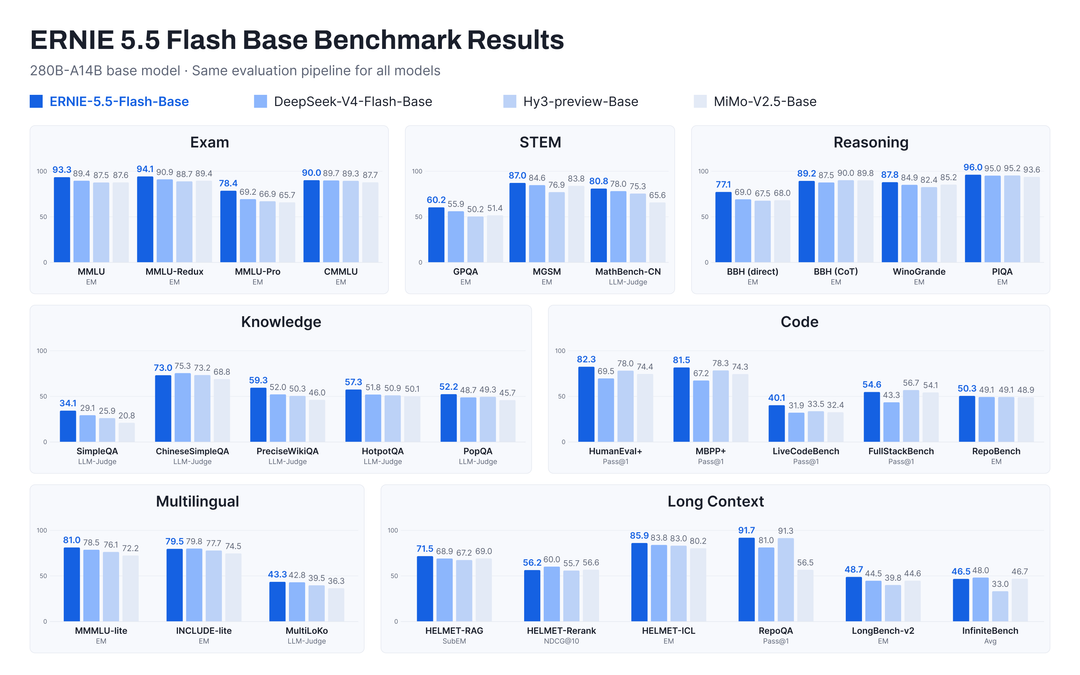
Baidu has released the pre-trained checkpoint of ERNIE-5.5-Flash-Base, an MoE model with 280B total and 14B active parameters, pre-trained from scratch on 33.5T tokens; it was trained with a 128K context and supports 1M tokens for fine-tuning and inference. These are raw pre-training weights without post-training, intended for domain fine-tuning and research; it scores 93.3 on MMLU and 82.3 on HumanEval+. FP8 and BF16 weights are on Hugging Face and ModelScope and work with vLLM and SGLang. An instruction-tuned ERNIE 5.5 Flash will follow.
Product pageernie.baidu.com/zh/release/ernie-5-5-flash-base
Weightshuggingface.co/baidu/ERNIE-5.5-Flash-Base
6. USTC's structRFM RNA foundation model is published in Nature and open-sourced
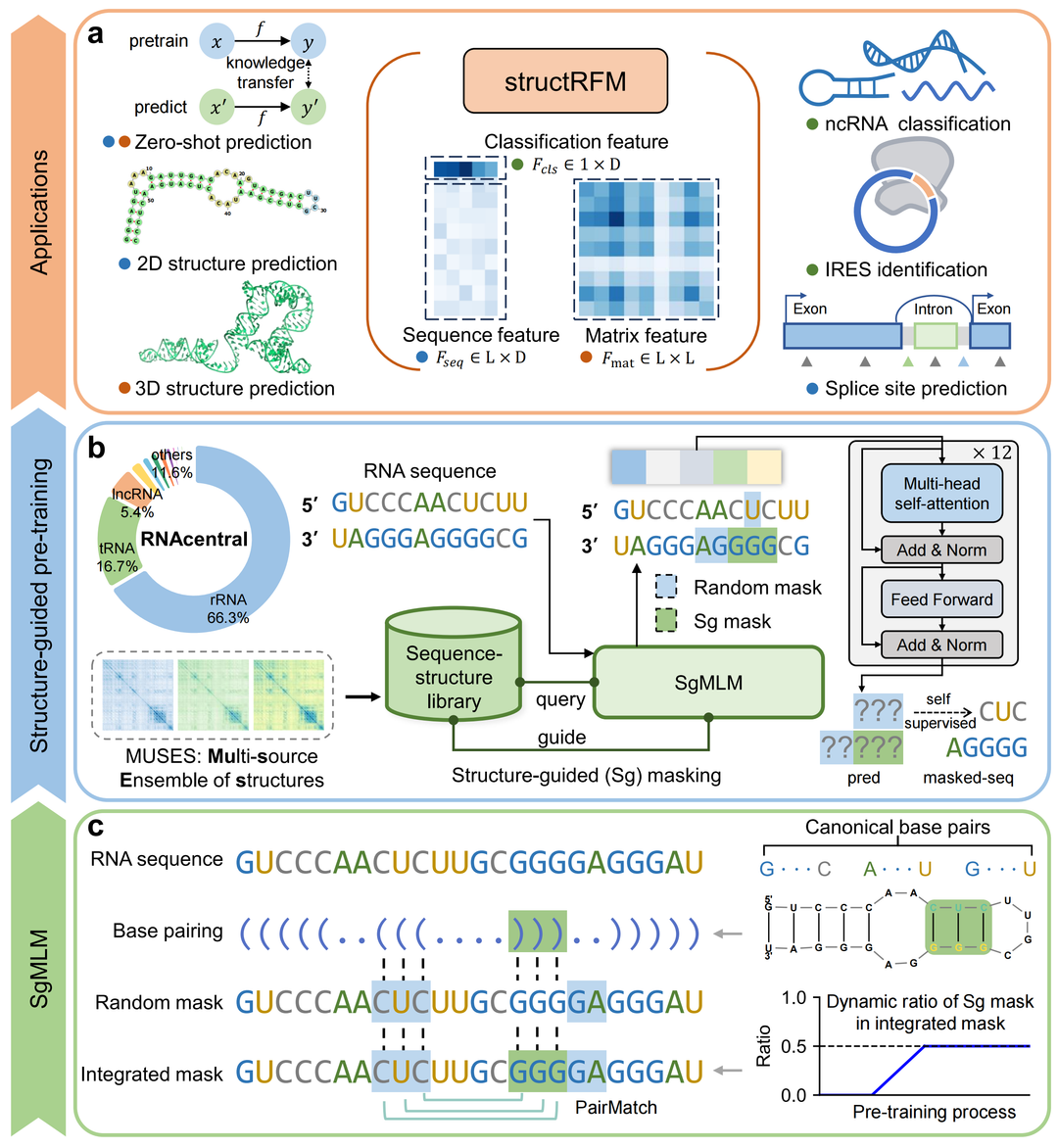
The team of Zhou Shaohua and Xiong Peng at the MIRACLE Lab of the University of Science and Technology of China has published structRFM, an RNA foundation model, in Nature. It was pre-trained with structure guidance on 21 million sequence–structure pairs and supports RNA secondary and tertiary structure prediction, splice site identification and analysis of long non-coding RNAs (up to 3,000 nt). All datasets, model weights and source code are fully open source.
GitHub repositorygithub.com/heqin-zhu/structRFM
Paper DOIdoi.org/10.1038/s41586-026-11210-2
II. Developer ecosystem and tooling
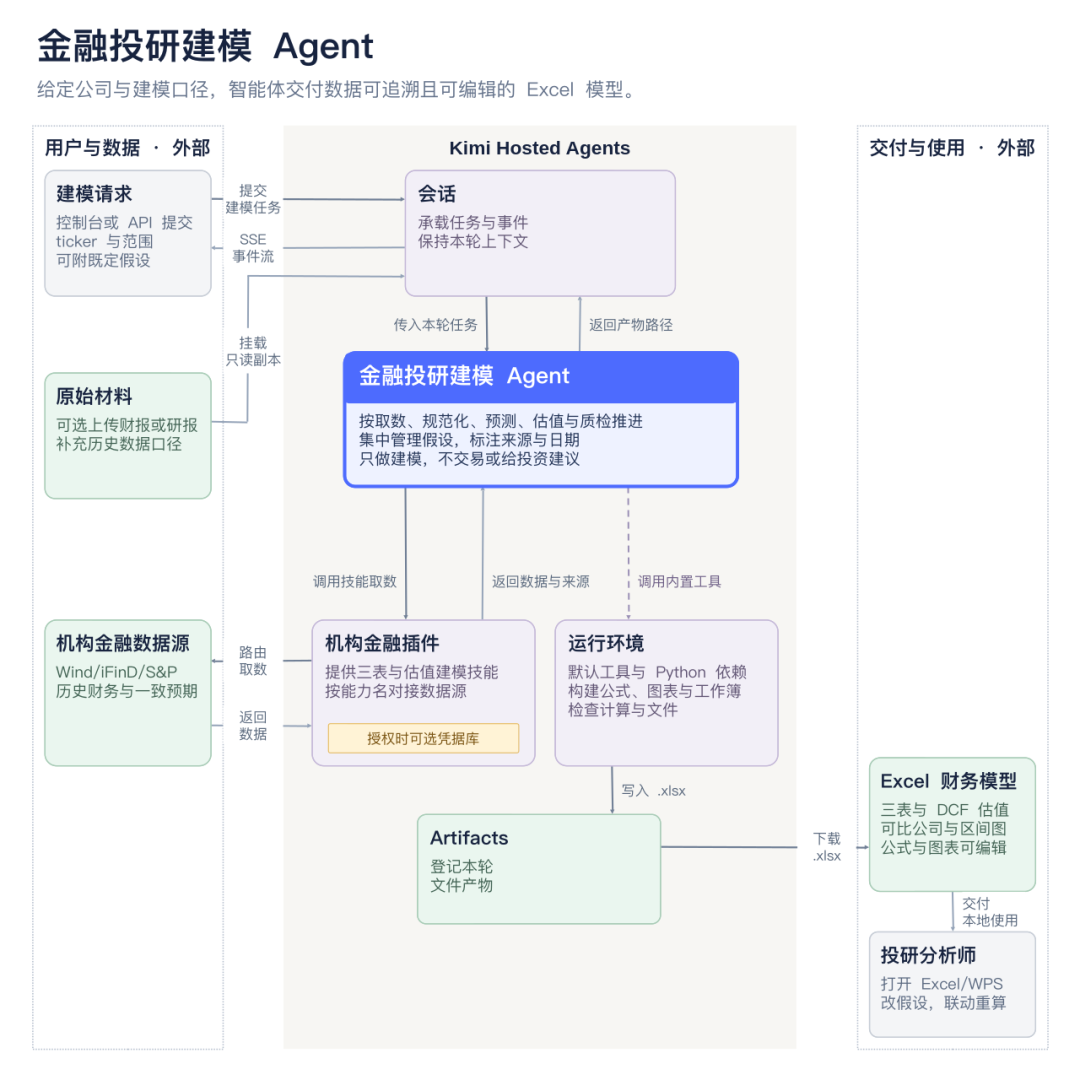
1. Kimi Hosted Agents launches as a managed agent service
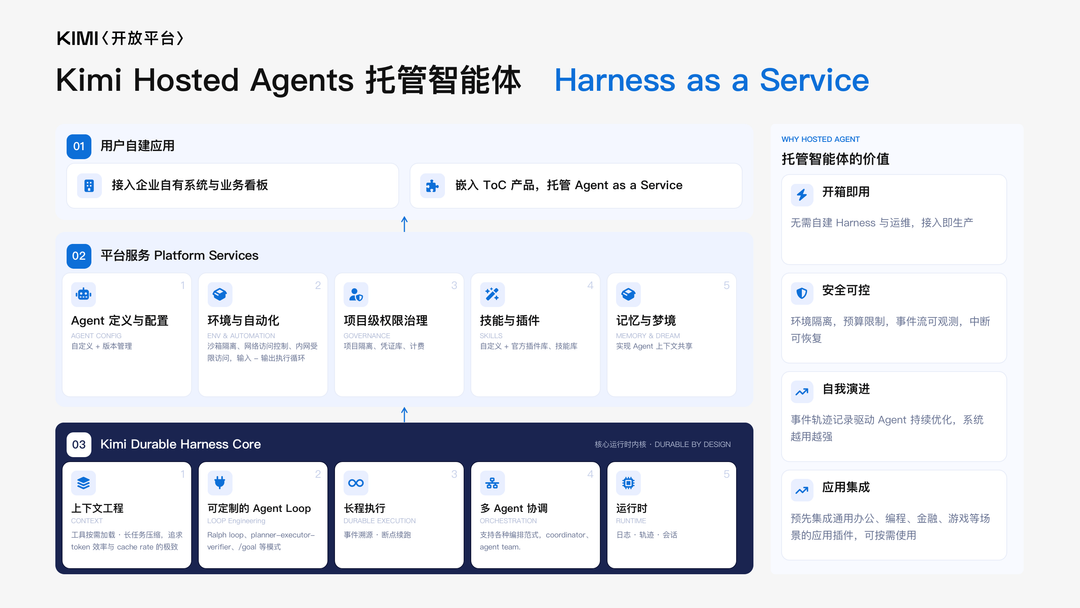
Moonshot AI has launched Kimi Hosted Agents, a cloud service for running agents. Companies don't need to build their own Harness runtime; it provides a 24/7 hosted sandbox for long-running tasks and multi-agent collaboration. It offers 140+ skills and 30+ plugins and supports custom skills, plugins, MCP services and companies' own tools and data sources; the first 12 official agent templates cover financial research, game development, incident response and overseas community management. Self-hosted execution environments are available only to verified business users.
Documentationplatform.kimi.com/docs/hosted-agents/overview
2. Cursor Live Apps: build and deploy web apps from a plain-language description
Cursor has launched Live Apps: a Cloud Agent takes a plain-language request and handles coding the web app, setting up a Postgres database, SSO authentication and hosted deployment, producing a shareable link. Permissions: personal plans can share publicly, while public sharing is off by default on Teams and Enterprise; admins can turn the feature on or off and revoke published apps. It works only with Cloud Agents, not local agents.
Changelogcursor.com/changelog
3. OpenAI's GPT-Live outbound calling API is generally available
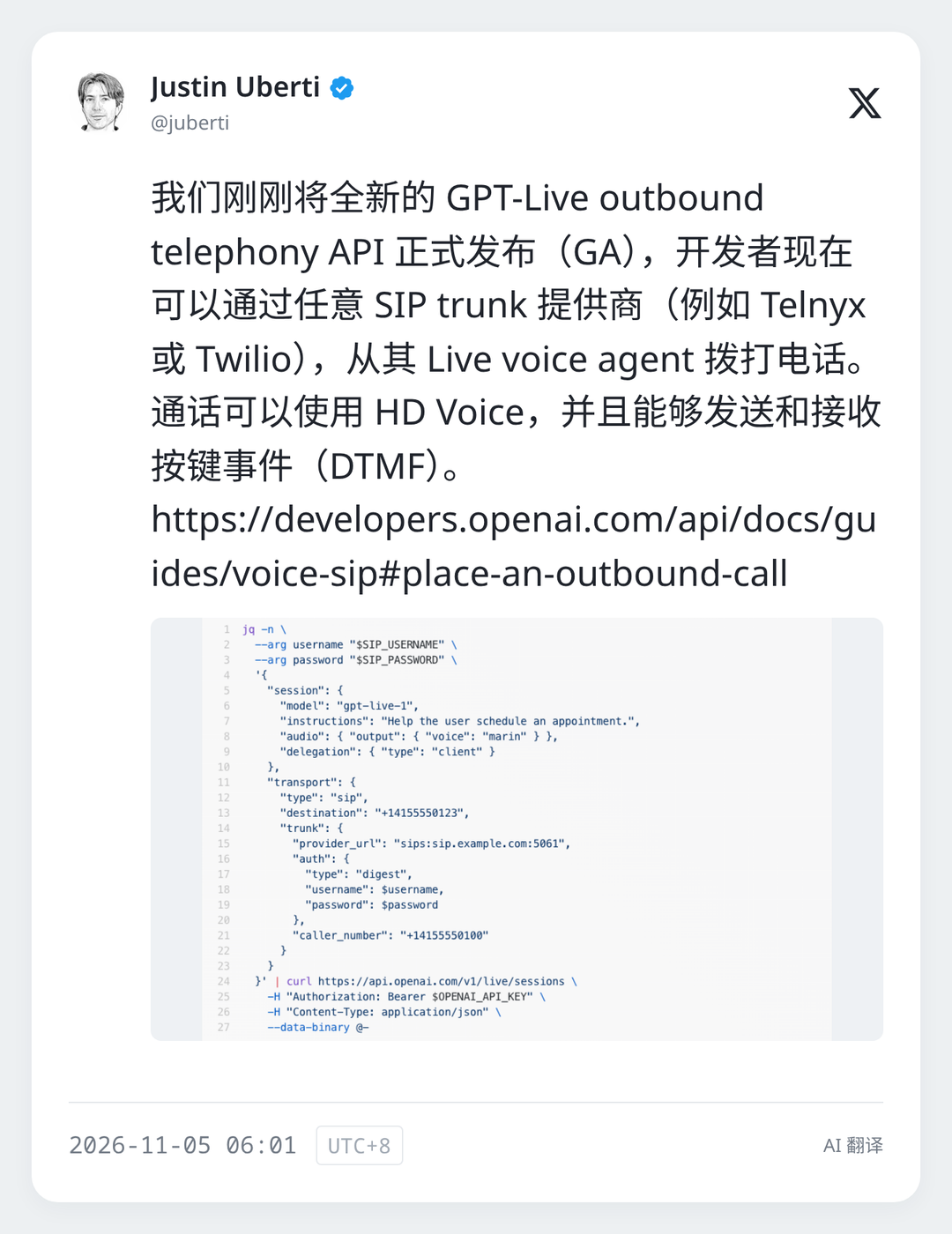
The GPT-Live API for outbound voice calls is now generally available: developers connect a SIP trunking provider (such as Twilio or Telnyx) so voice agents can place phone calls, with HD voice and sending and receiving DTMF keypad tones. Limits: ringing is capped at 3 minutes and a connected call at 2 hours, and these can't be configured. It is open to all organisations.
Documentationdevelopers.openai.com/api/docs/guides/voice-sip
4. DeepSeek Harness reportedly passes 1.5 million daily users and will open an official plugin marketplace
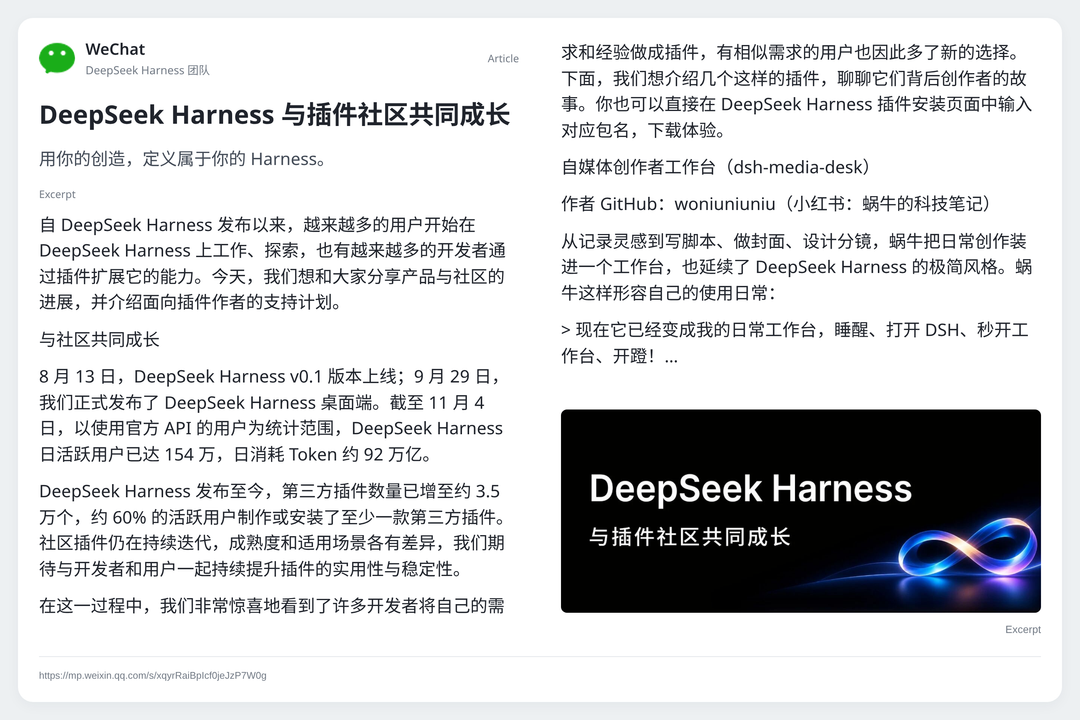
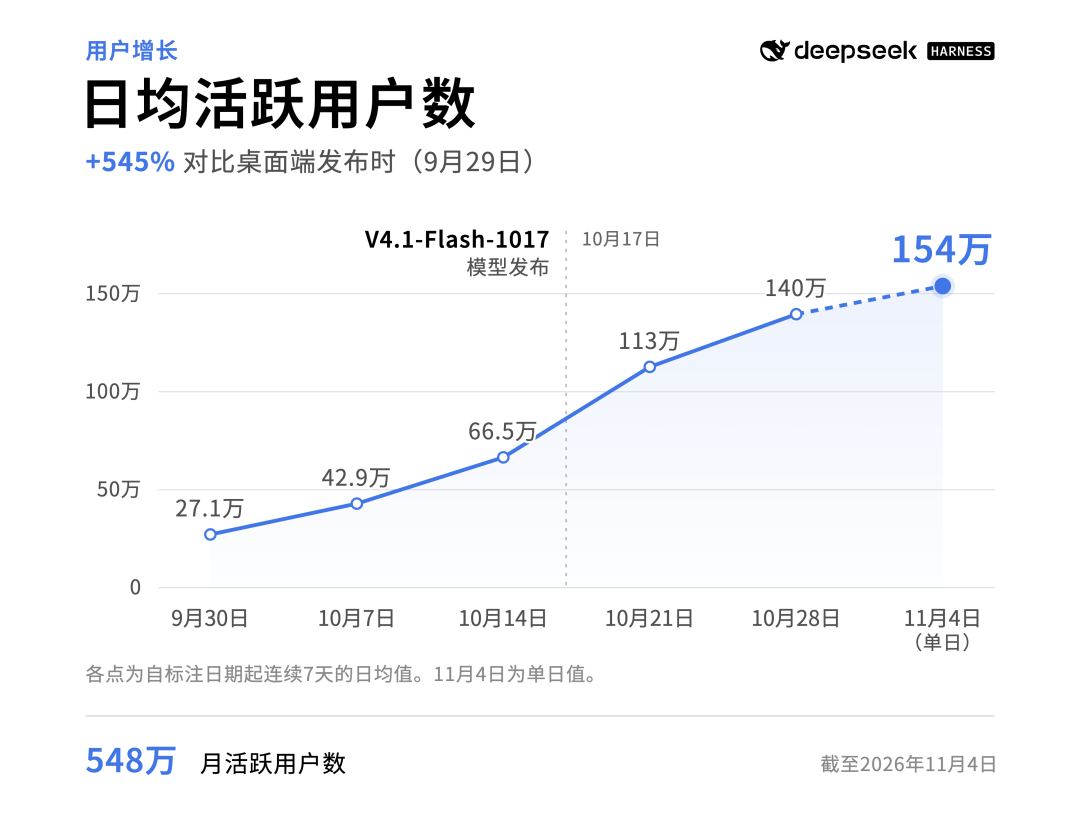
According to reports, as of 4 November DeepSeek Harness had 1.54 million daily active users consuming 92 trillion tokens a day, with 35,000 third-party community plugins and about 60% of active users having installed or built one. The reports say DeepSeek will improve plugin API stability and security checks, build an official plugin marketplace and launch a token incentive programme for plugin authors.
III. Products shipping
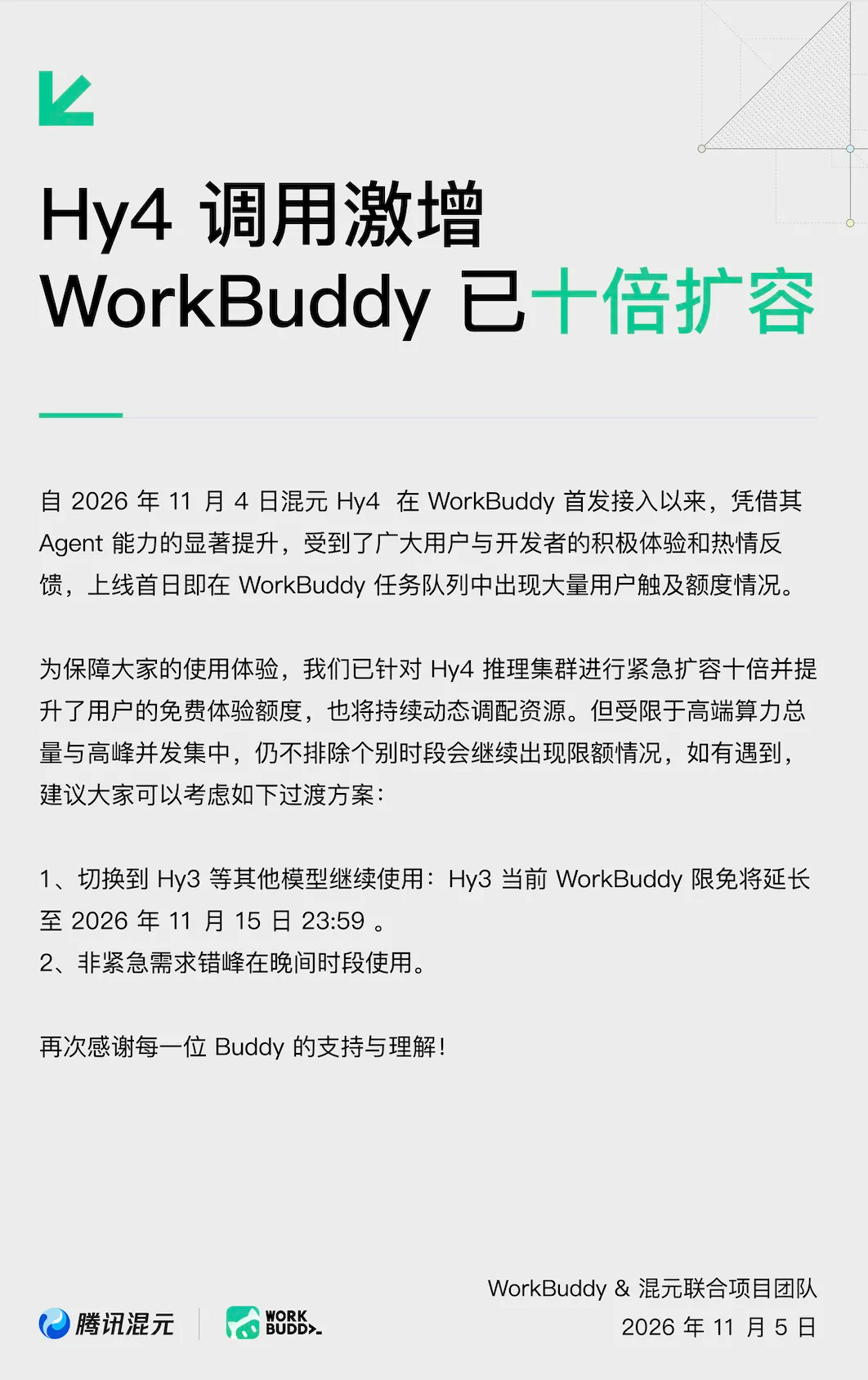
1. Tencent scales WorkBuddy tenfold as Hunyuan Hy4 drives a traffic surge
After Hunyuan Hy4 arrived in WorkBuddy, traffic surged and many users hit their limits; the team expanded its inference cluster tenfold and raised the free trial allowance, and extended free use of Hy3 to 23:59 on 15 November. Limits still apply at peak times, so users are advised to avoid busy hours or switch models.
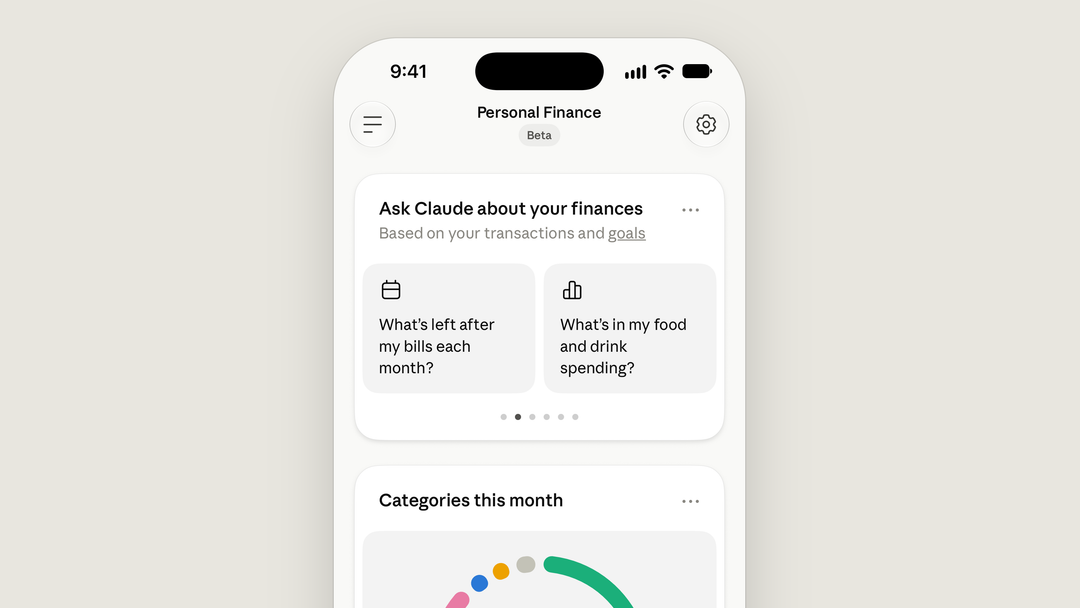
2. Claude Personal Finance beta rolls out in the US
Anthropic has launched a Personal Finance beta in Claude, rolling out gradually to Pro, Max and Ultra subscribers in the US. Users link bank and credit card accounts with read-only access through Plaid, then can look up spending, spot duplicate charges and get financial terms explained; transfers and investing are not possible. Conversations in the finance hub aren't used to train models, and accounts can be unlinked at any time.
Announcementclaude.com/resources/articles/introducing-personal-finance-in-claude

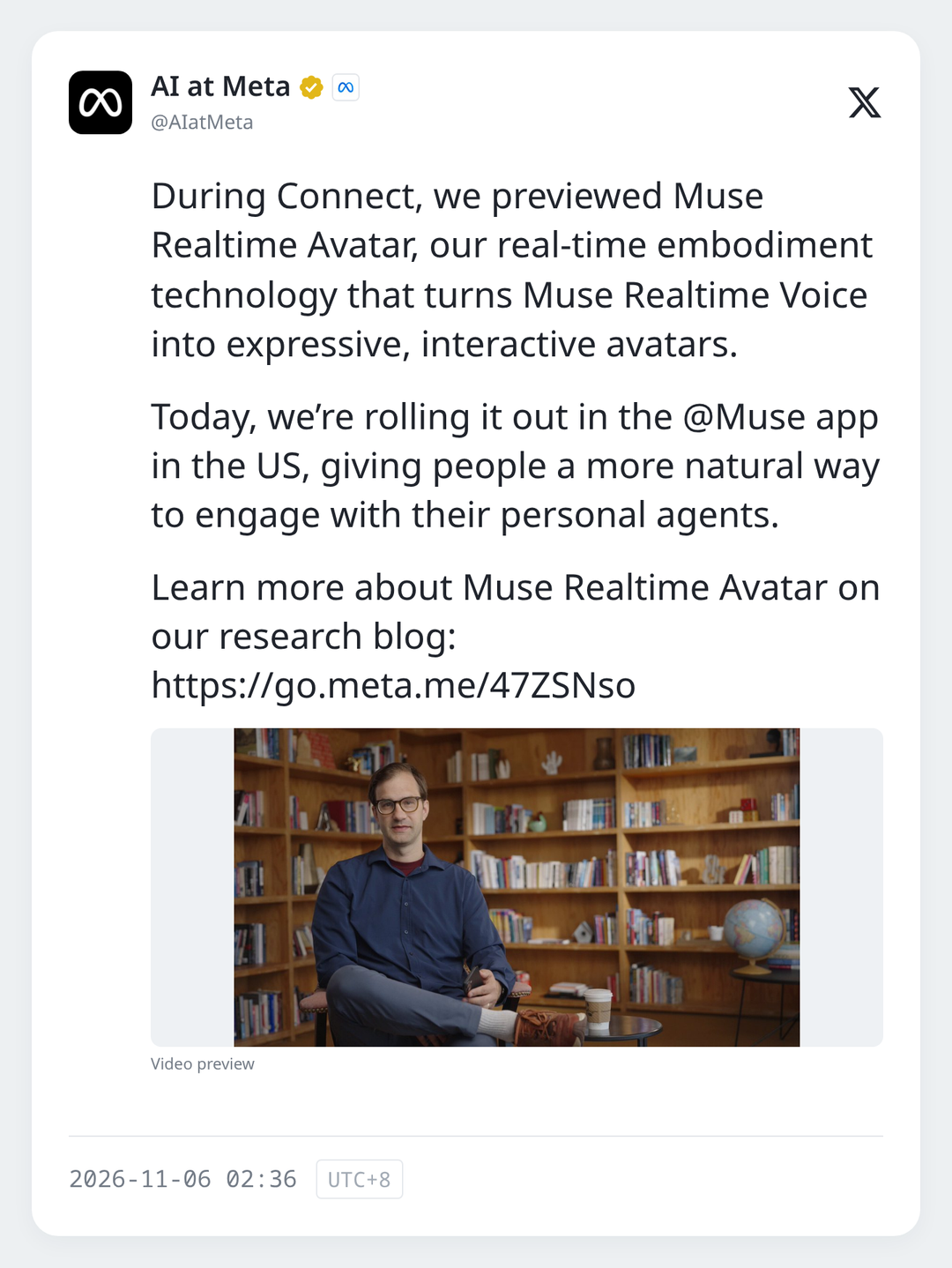
3. Meta launches Muse Realtime Avatar for voice and video conversations
Meta has rolled out Muse Realtime Avatar in the Muse app in the US, supporting real-time voice and video conversations with an AI avatar whose expressions and gestures match the conversation; modes include voice only, avatar chat and full-screen face to face, and you can interrupt at any time. It will later come to AI Glasses and Muse Charm hardware.
Postx.com/AIatMeta/status/2118412135340572850
IV. Technical insight and frontier research
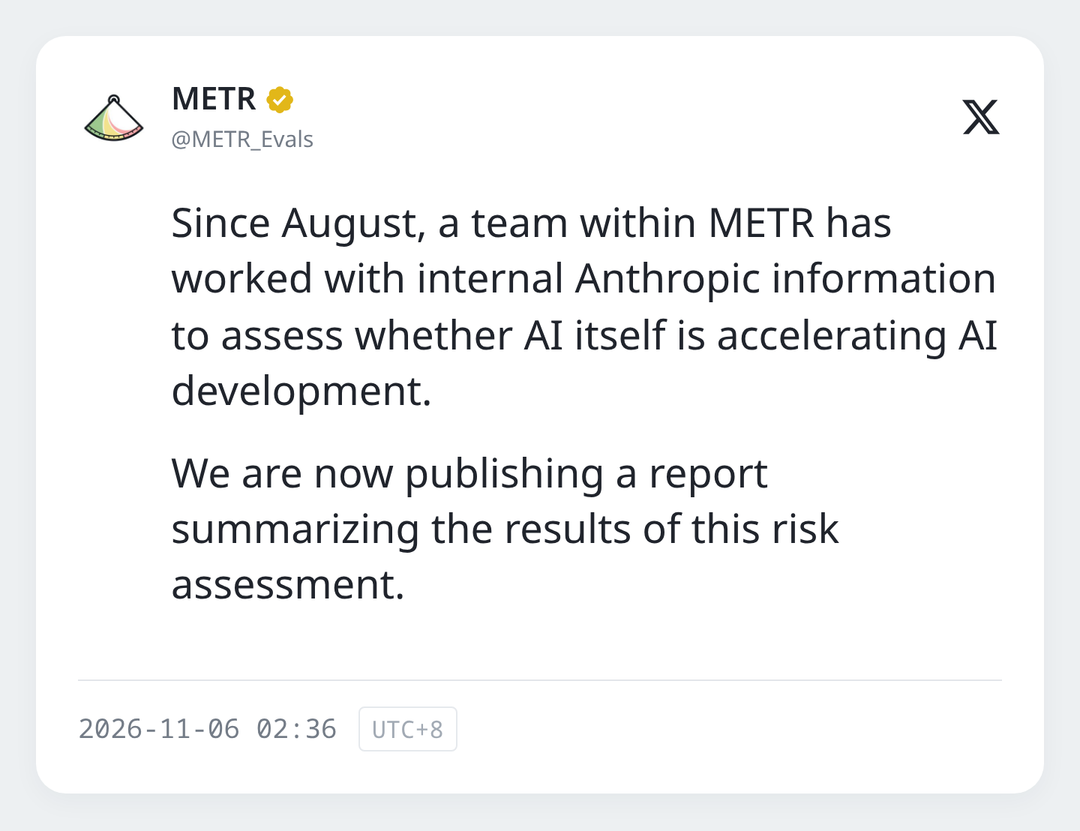
1. METR assessment: Anthropic's R&D has sped up markedly
Independent evaluator METR has published an assessment of R&D acceleration at Anthropic: as of October 2026, Anthropic is likely improving its models' capabilities on well-specified tasks at around twice the rate it did between March 2024 and October 2025. The uncertainty is high, and a true figure anywhere from 1.3x to 3x would not be surprising; most of the acceleration is likely due to Anthropic's extensive use of AI for R&D, though that too is uncertain. Under the agreement, Anthropic could redact non-public information, and it redacted most of the evidence METR found most informative, describing the redactions as removing confidential information that could accelerate other AI developers.
Blogmetr.org/blog/2026-11-05-anthropic-ai-rd-acceleration-assessment/
2. Vals AI reports a serious alignment issue in several frontier models
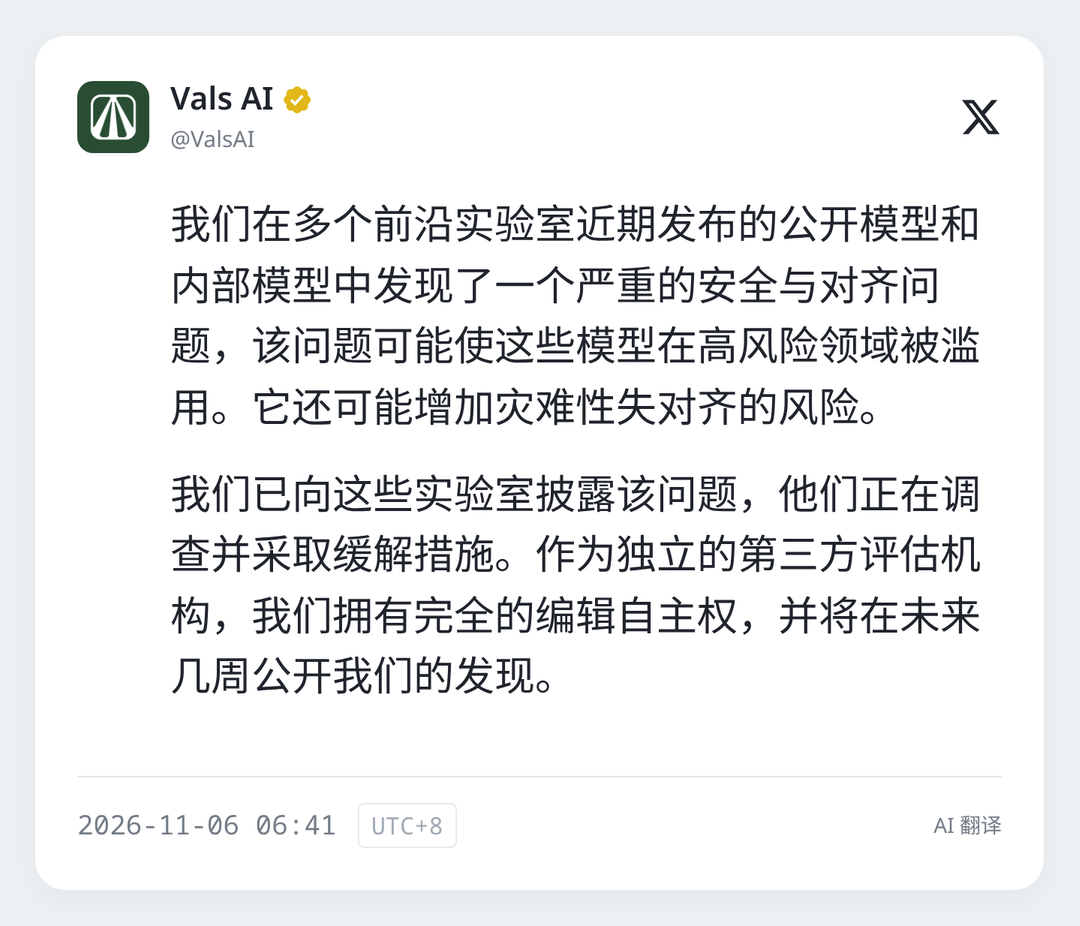
Independent evaluator Vals AI says it has found a critical safety and alignment issue in recent public and internal models from multiple frontier labs that allows them to be misused in a high-stakes domain and may increase the risk of catastrophic misalignment. It has disclosed the issue to the labs, which are investigating and mitigating it, and will publish its findings in the coming weeks.
Postx.com/ValsAI/status/2118473836710760816
3. Reflection publishes the Beam safety report and launches Project Iris
Reflection has published the full safety training and evaluation report for Beam, its first open-weight model, and launched Project Iris, an open safety research programme sharing safety datasets and evaluation tools. Beam uses pre-training filtering, safety post-training and multi-teacher distillation; in the conversational Iris Safety Evaluations it refuses or redirects 88.9% of harmful requests while answering 81.5% of harmless ones.
Safety reportreflection.ai/beam-safety-report
4. Moonshot AI open-sources TCSExam, a theoretical computer science benchmark
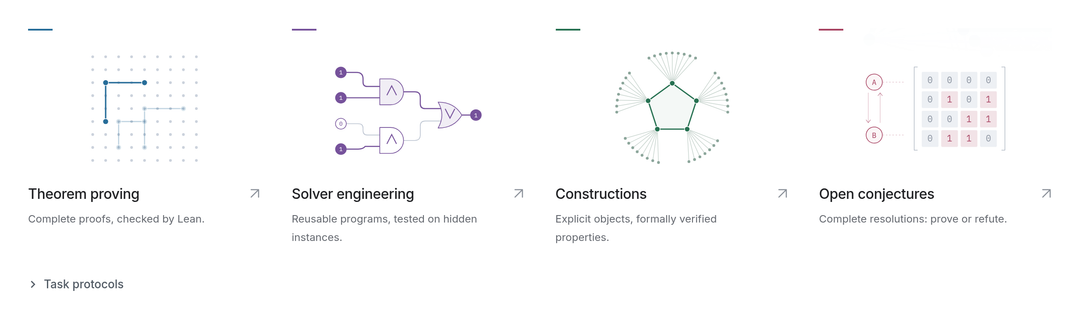
Moonshot AI has open-sourced TCSExam, a verifiable benchmark of theoretical computer science research for agent systems. The Full suite has 100 tasks, with a smaller Lite suite; it covers theorem proving, solver engineering, constructions and open conjectures, with theorem proofs checked in Lean. The project is released under CC BY 4.0.
Project sitemoonshotai.github.io/TCSExam/
GitHub repositorygithub.com/MoonshotAI/TCSExam
V. Industry moves
1. A Claude Code issue leaked account email addresses; new versions ask before sending them
Users reported that Claude Code put their account email address into the conversation context, from where it reached external sites through sub-agents, Git commits and HTTP user agents, leading to large amounts of spam and phishing email. The official changelog shows that from v2.1.234 Claude is told to use the account email only to identify the user and not to send it to unrelated services, and from v2.1.317 Claude Code asks before a web or shell tool call sends the account email to the network.
Changeloggithub.com/anthropics/claude-code/blob/main/CHANGELOG.md
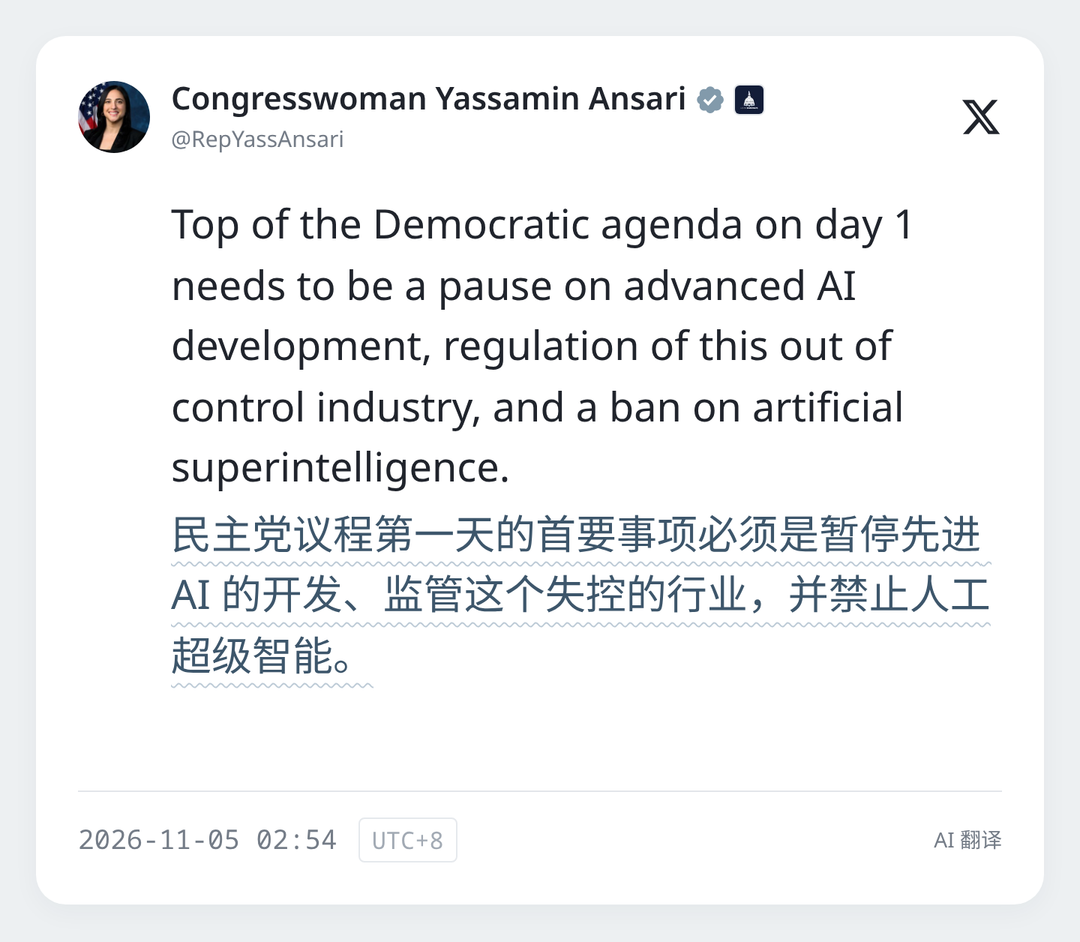
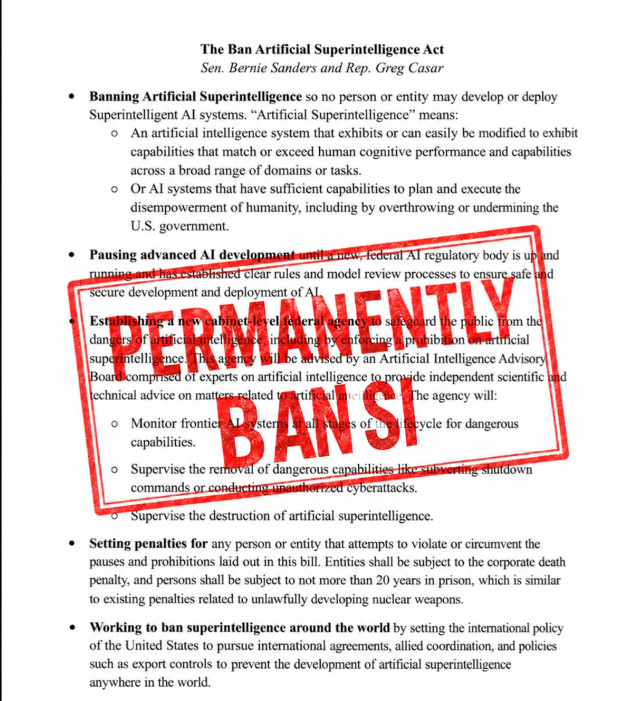
2. A US congresswoman calls for a ban on artificial superintelligence
Democratic Representative Yassamin Ansari wrote on social media that the top Democratic priority on the new Congress's first day should be a pause on advanced AI development, regulation of an "out of control industry" and a ban on artificial superintelligence. It is a personal statement; no such law has been passed.
Postx.com/RepYassAnsari/status/2118054336077127797
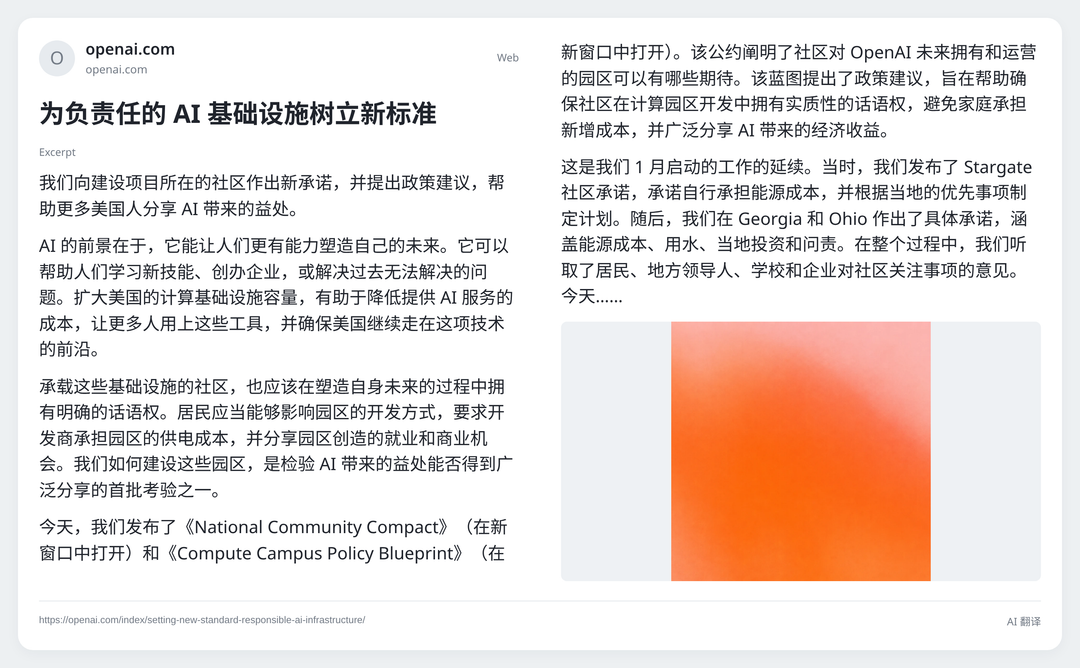
3. OpenAI publishes a community compact for its compute campuses, pledging to cover the full cost of grid upgrades
OpenAI has published a National Community Compact and a policy blueprint for its compute campuses. It pledges to pay for all power and grid expansion costs at the campuses it builds; to publish data on power and water use and noise assessments, prioritising low-water cooling; to set up channels for residents and publish an annual compliance report; and it recommends that lawmakers make large power users bear the incremental cost of the grid.
VI. Outlook and market rumours
No major market rumours cross-checked by multiple sources in this issue's window.
VII. Claw roundup
1. Video generation moves to longer clips and iterative editing as prices fall
Gemini Omni 1.2 Flash extends native video to 15 seconds and adds multi-turn editing while cutting prices by 30%. Video models are moving away from one-click perfect output towards human–AI iterative editing, and falling costs will further lower the barrier to using video AI.
2. Dedicated cybersecurity models move to tiered, controlled access
GPT-6 Cyber, rated Critical, is much better at finding vulnerabilities and is distributed through a strict allowlist. Security models cut both ways, so the industry is adopting capability–risk tiers and restricted distribution instead of opening them to everyone.
3. Hosted agent services reach commercial deployment
With Kimi Hosted Agents commercially available, companies no longer have to maintain the underlying Harness sandbox and can pay by usage for a 24/7 agent runtime. The agent industry is specialising further, with runtime sandboxes, plugin ecosystems and template libraries becoming cloud services in their own right.
VIII. Trending open source on GitHub
1. heqin-zhu/structRFM
Momentum: newly trending in biology AI. Summary: USTC's RNA foundation model published in Nature, with weights, datasets and source code fully open, for RNA structure prediction.
Repositorygithub.com/heqin-zhu/structRFM
2. MoonshotAI/TCSExam
Momentum: a theoretical computer science benchmark. Summary: Moonshot AI's open-source TCSExam, a verifiable theorem-proving benchmark suite for agents, with Full and Lite task sets.
Repositorygithub.com/MoonshotAI/TCSExam
3. Reflection Beam safety technical report
Momentum: open-model safety evaluation. Summary: the safety training and evaluation report for Reflection's first open-weight model, Beam, with the accompanying Project Iris safety evaluations.
Reportreflection.ai/beam-safety-report
4. vllm-project/vllm
Momentum: the benchmark for high-throughput inference engines. Summary: an industrial-grade, high-performance inference engine supporting MoE and multimodal models, widely used in production.
Repositorygithub.com/vllm-project/vllm
5. open-webui/open-webui
Momentum: the benchmark web front end for self-hosted deployments. Summary: a full-featured self-hosted AI interface with RAG, plugins and multi-user permission management.
Repositorygithub.com/open-webui/open-webui