1. MiniMax releases the M3.1 Flash model, confirming Space Bunny was an early test version, with agent task costs down 70%;
2. The US Department of Homeland Security orders federal civilian agencies to stop buying and remove DeepSeek products and services;
3. Ant Group's Bailing open-sources five Ming-3.0 voice models covering speech generation, understanding and recognition;
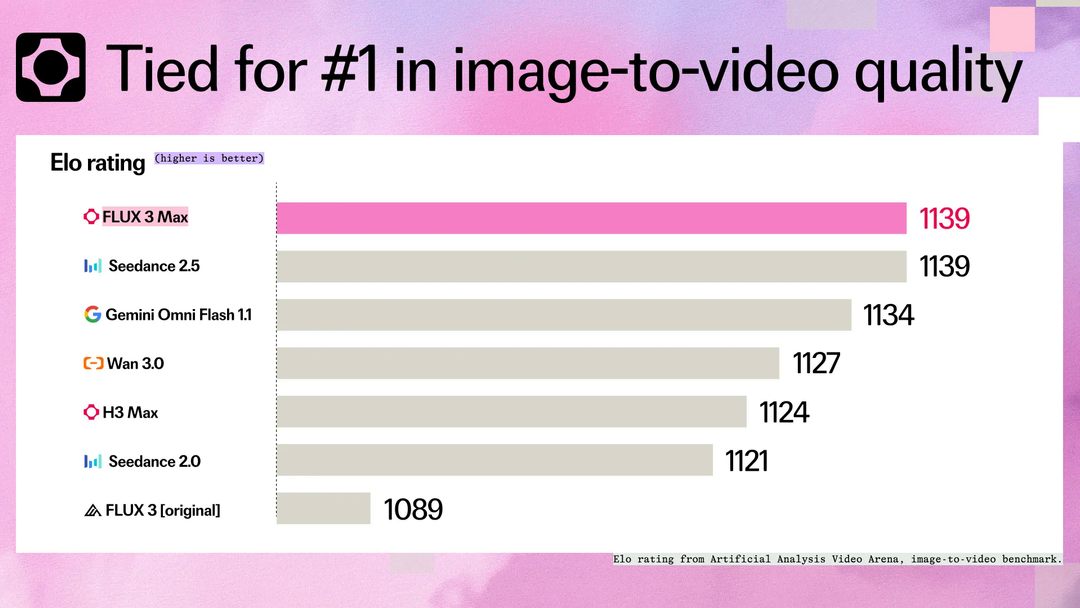
4. The FLUX 3 Max video model launches, tying for first in image-to-video evaluations;
5. Notion AI upgrades automatic model selection and long-running agents, cutting average cost by 90%;
6. Phase one of Meta's gigawatt-scale Prometheus supercluster is complete and is training the Muse models;
7. Microsoft expands Project Perception for dynamic security control of agents inside enterprises.
I. Model releases and open source
1. MiniMax releases the M3.1 Flash model
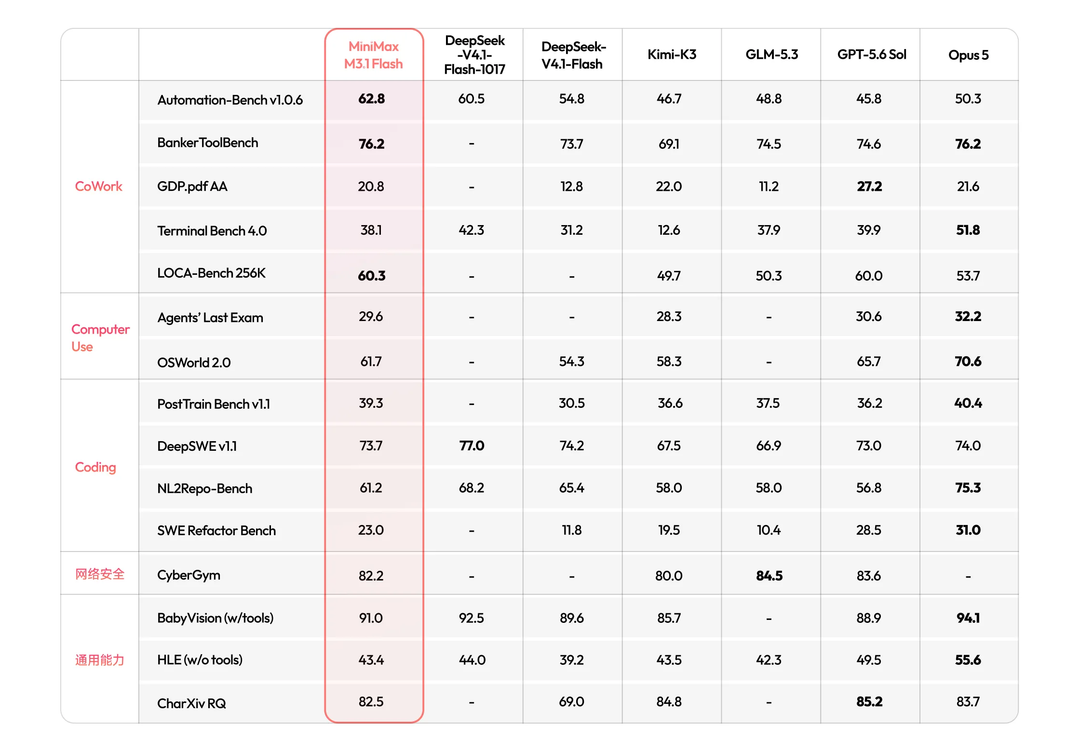
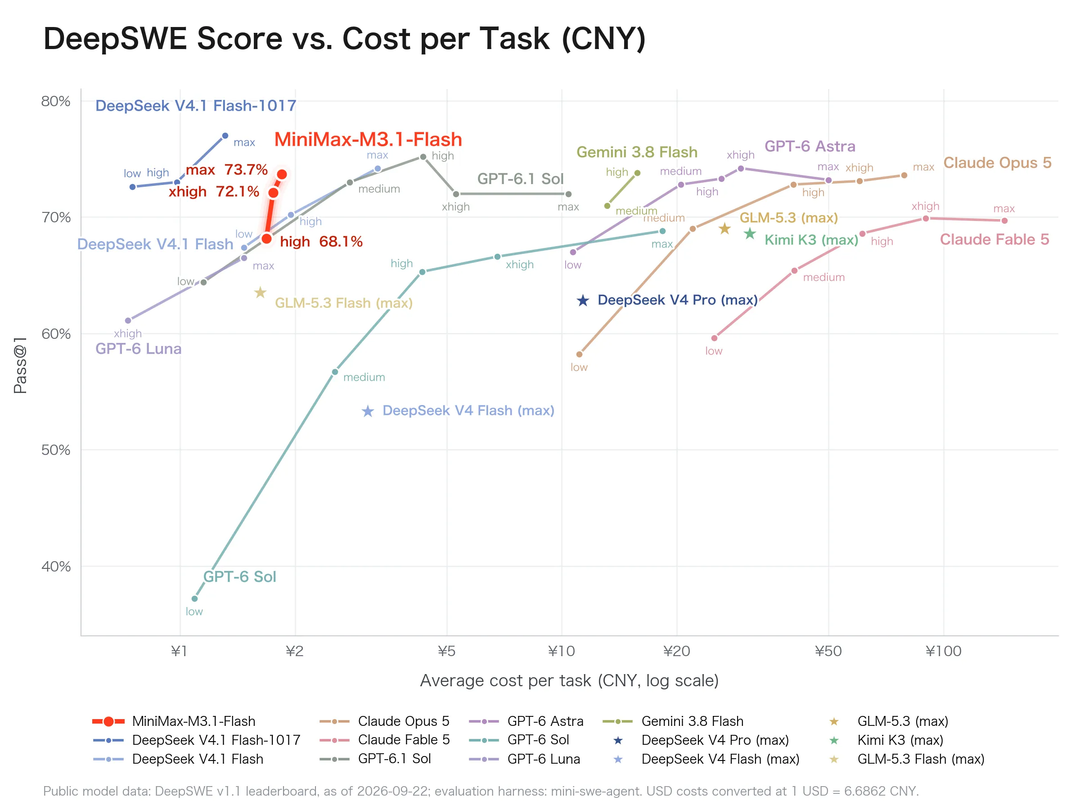
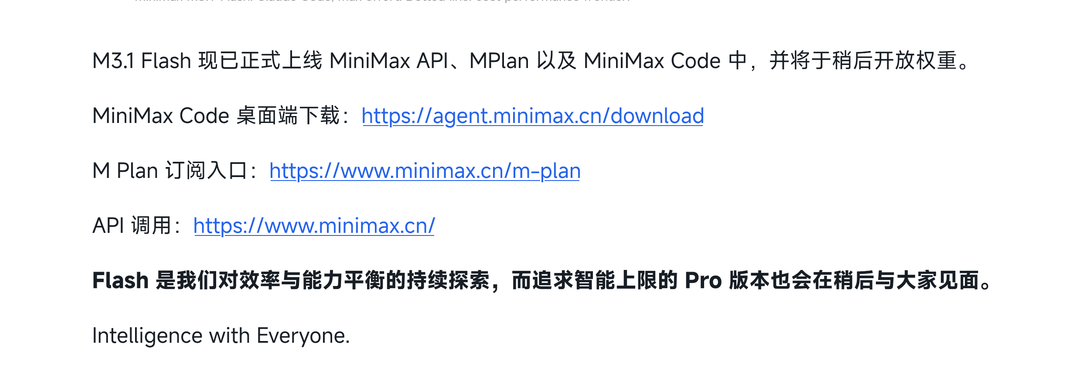
MiniMax has released the M3.1 Flash model and confirmed that Space Bunny, which had been running anonymously, was an early test version that processed more than 200 trillion tokens. The model focuses on agent tasks, coding, computer use and cybersecurity; online inference is nearly 3 times faster, and the overall cost of agent tasks is 70% lower than the previous generation. API pricing is ¥1 per million input tokens, ¥4 per million output tokens and ¥0.1 per million cached reads. The model is live on the MiniMax API, M Plan and MiniMax Code; weights will be released on 23 October, and a higher-performance Pro version will follow.
Announcement: https://www.minimax.cn/blog/minimax-m31f Post: https://x.com/MiniMax_AI/status/212150867868541221
2. Ant Group's Bailing open-sources five Ming-3.0 voice models
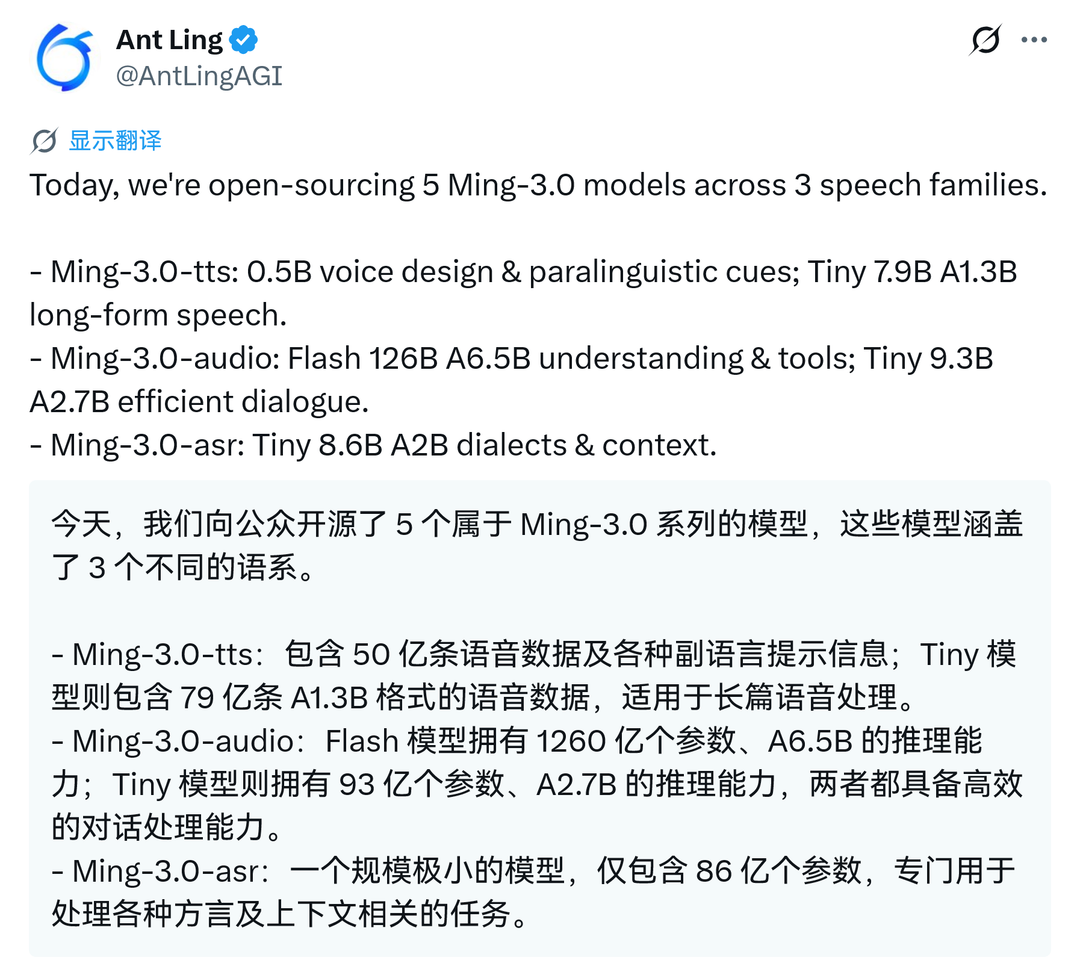
Ant Group's Bailing team has open-sourced the full Ming-3.0 family of voice models across three areas — TTS speech generation, audio understanding and ASR speech recognition — with weights on Hugging Face and ModelScope.
Speech generation (TTS): a 0.5B base version and a Tiny version with 7.9B total and 1.3B active parameters, supporting voice design, control of vocal expression and long-form speech generation.
Audio understanding: a Flash version with 126B total parameters and 6.5B active per step, supporting long-recording analysis, spoken Q&A, music and ambient sound understanding, and generating tool requests; and an Audio Tiny version with 9.3B total and 2.7B active parameters, focused on efficient conversation.
Speech recognition (ASR): a Tiny version with 8.6B total and 2B active parameters that recognises dialects and accents and can use hot words and conversation history to improve recognition without extra training.
The Flash version is MIT-licensed, with deployment recipes for vLLM-Omni and SGLang.
Post: https://x.com/AntLingAGI/status/212210811997540475 Repository: https://github.com/inclusionAI/Ming-3.0-audio-flash Weights: https://huggingface.co/inclusionAI/Ming-3.0-audio-flash
3. fal launches the FLUX 3 Max video generation model
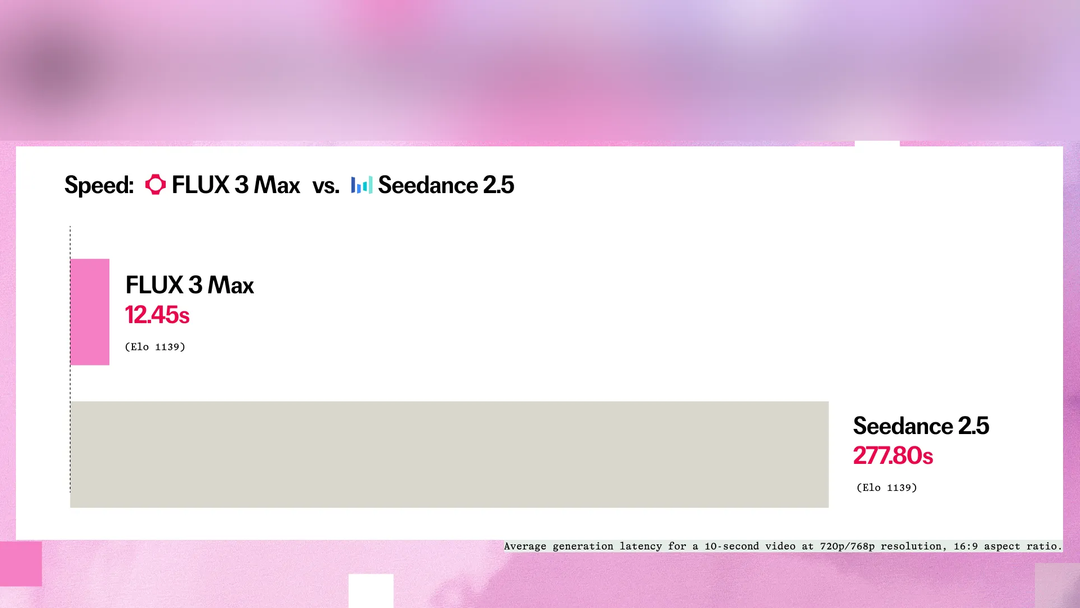
fal and Black Forest Labs have launched the FLUX 3 Max video model on the fal platform, supporting 720p text-to-video and image-to-video. In Artificial Analysis's preliminary image-to-video evaluation it scores 1139 Elo, tied for first; a 10-second video takes 12.45 seconds to generate on average, matching Seedance 2.5's Elo score while running about 22 times faster. Until 7 November, 720p output is 75% off at US$0.0425 per second, with the same price for text-to-video and image-to-video.
Productfal.ai/flux-3-max
4. Inception releases the Mercury 3 diffusion language model
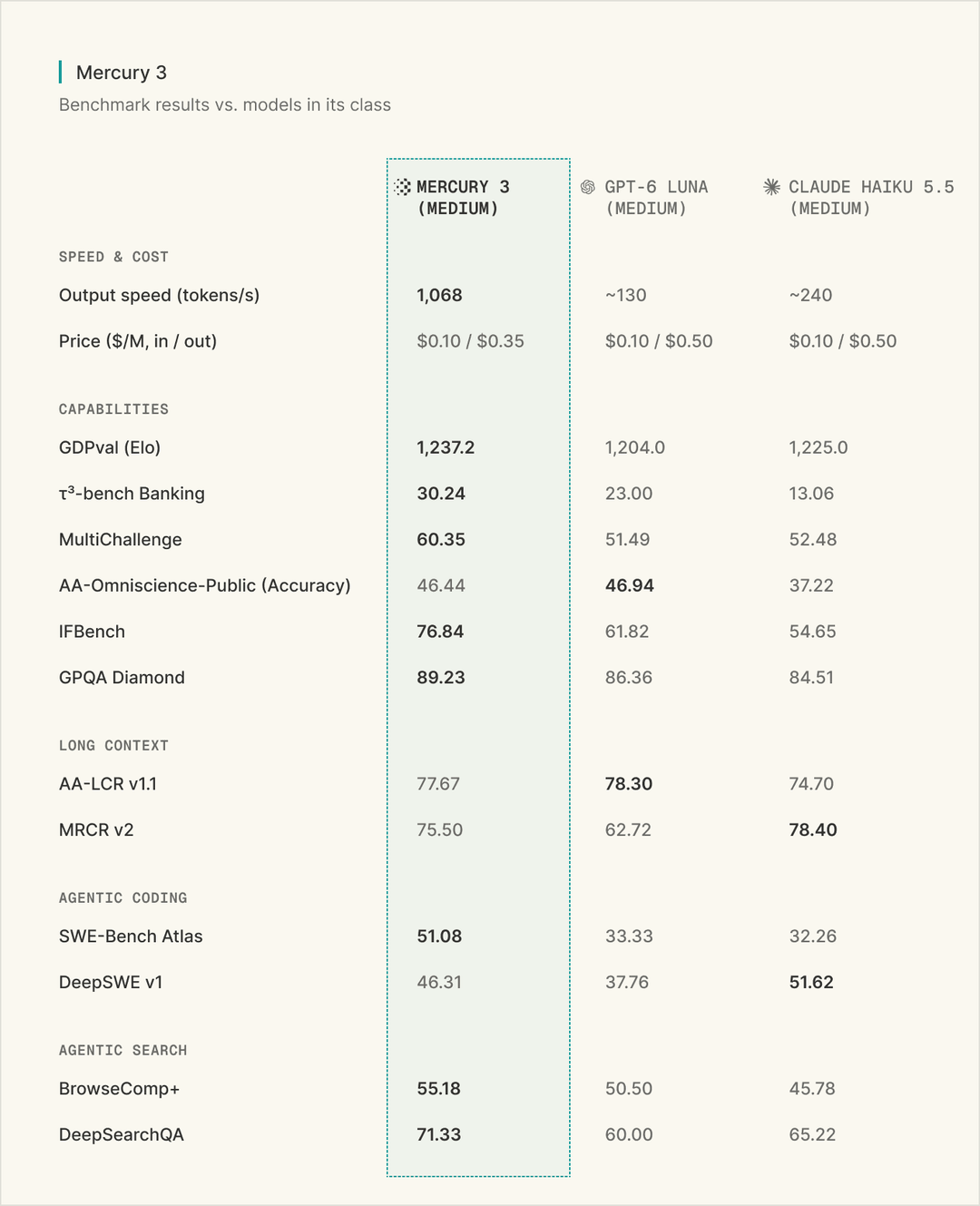
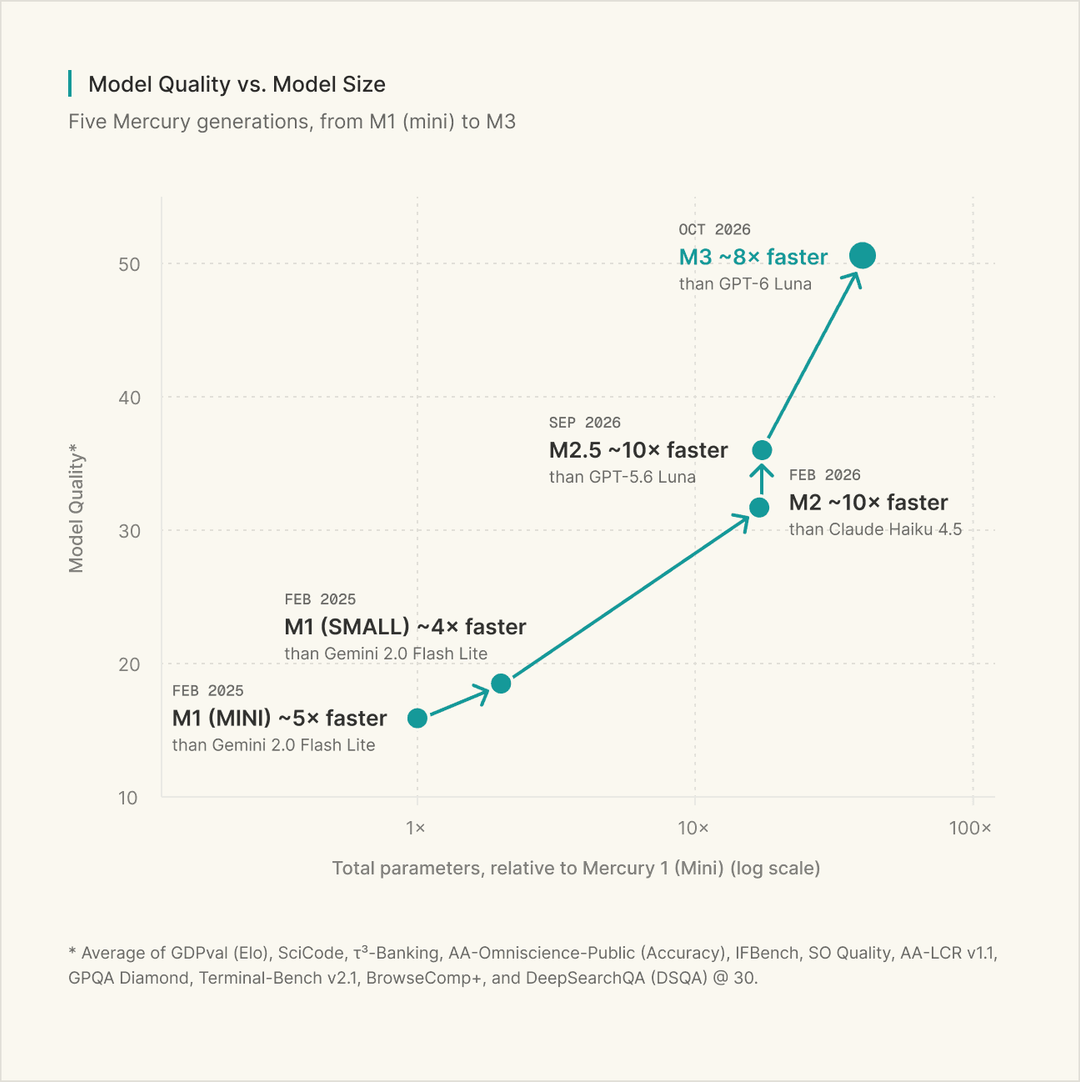
Inception Labs has released Mercury 3, a diffusion language model available on the Inception API, OpenRouter, Baseten and Vercel and compatible with the OpenAI API format. In Inception's evaluations it beats GPT-6 Luna and Claude Haiku 5.5 on several benchmarks while running 4–8 times faster than both, outputting 1,068 tokens per second on NVIDIA GPUs. It is 40 times the size of Mercury 1, extends the context window from 260,000 to 1 million tokens, and supports tool calling and structured output. During the launch offer, pricing is US$0.10 per million input tokens and US$0.35 per million output tokens, half the standard rate, and new users get 100 million free tokens to try it.
Blogwww.inceptionlabs.ai/blog/introducing-mercury-3
5. Decision 3.0 multimodal decision models released
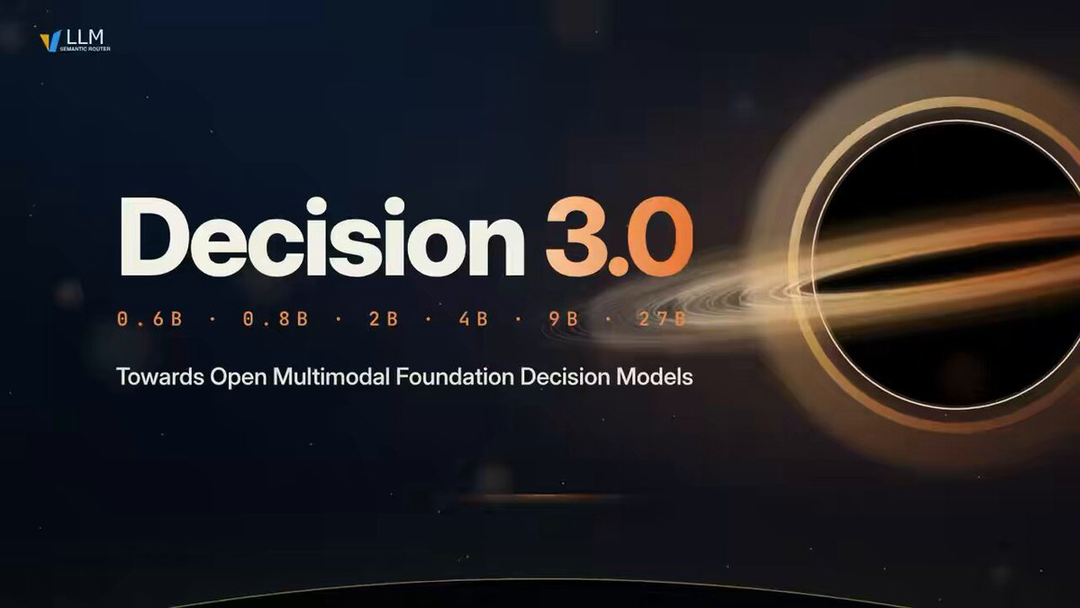
The vLLM Semantic Router team has released the Decision 3.0 (D3) family of multimodal decision models in six sizes: 0.6B, 0.8B, 2B, 4B, 9B and 27B. Deployment recipes for the whole family are merged into vLLM Recipes and run on vLLM nightly builds with the System One API format. The models accept text, JSON, image and video input and return a choice, a yes/no judgement, a score and the probability of each option, without generating extra text. In the team's tests the 27B version ranks first on both the text and vision leaderboards of Jev Decision Index 0.3.2, scoring 66.3 and 71.3. In a mixed-workload test on the same hardware, serving it through vLLM gave 1.8 times the request throughput of the checkpoint's bundled server.
Collection: https://huggingface.co/collections/vllm-sr/decision-30
6. China Telecom open-sources the Xing4.0-29B-Intent intent model
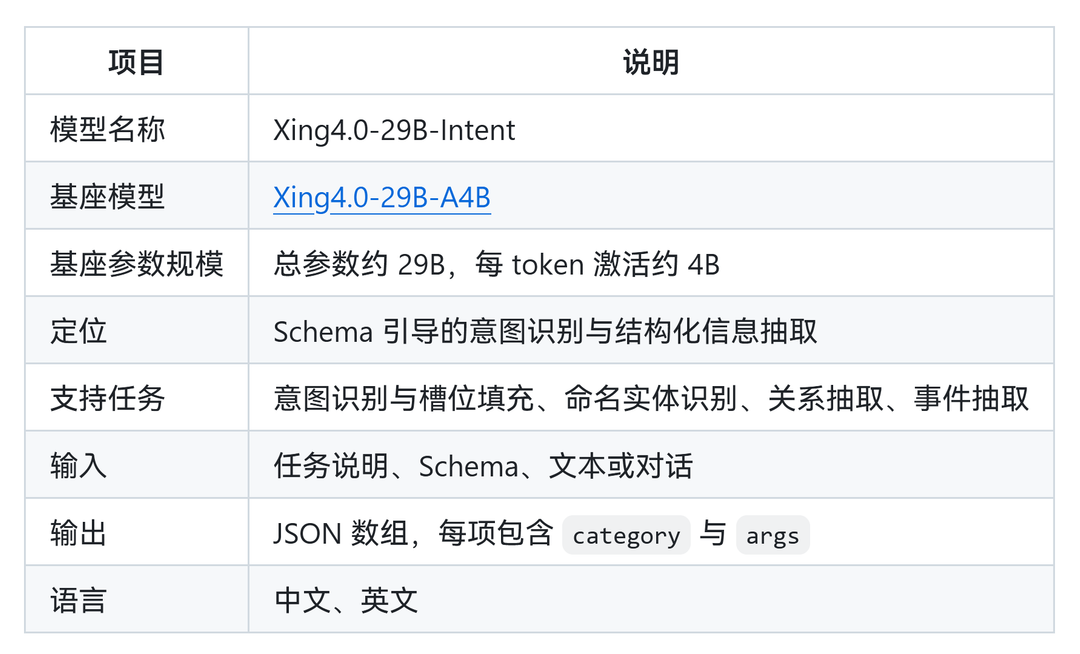
China Telecom's Xingchen AGI Lab has open-sourced Xing4.0-29B-Intent, an intent understanding model, along with its training corpus and inference SDK. It has about 29 billion total parameters with about 4 billion active per token, recognises user intent and extracts action parameters against predefined categories and fields at the same time, and returns results in a unified JSON format, in Chinese and English. The accompanying training set has about 2.75 million samples across 19 domains and 52 languages. Weights, public data and code are Apache 2.0-licensed and available on Hugging Face and ModelScope.
Repository: https://github.com/XingChen-AGI/Xing4.0-29B-Intent
7. Meta publishes the Muse Glimmer technical report
Meta has published the technical report for Muse Glimmer, a 30-billion-parameter open model for agent tasks on consumer hardware, released under the Apache 2.0 licence. It runs locally at about 4-bit precision on a Mac or a PC with a single consumer GPU, with no cloud infrastructure, takes text and image input with text output, and combines multi-step reasoning, tool use and recovery from failure. In Meta's tests it leads open models of similar size such as Gemma4-31B and Qwen3.6-27B on tool use, multi-step planning and agent task completion.
Reportai.meta.com/research/publications/muse-glimmer-30b-an-on-device-agentic-model/
II. Developer ecosystem and tooling
1. OpenCode updates DeepSeek V4.1 Flash to the 1017 version
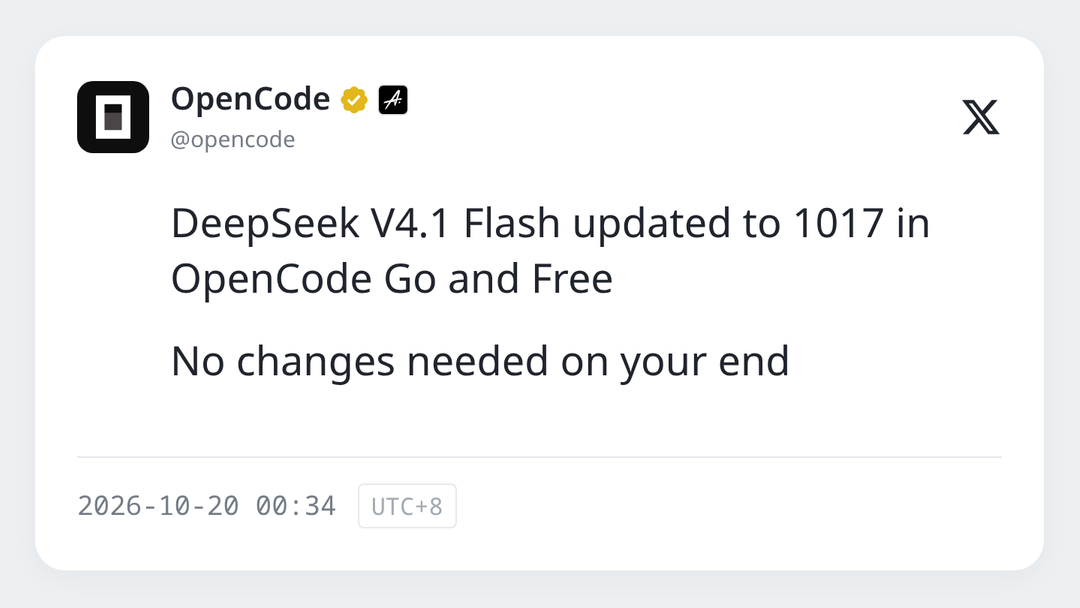
OpenCode says DeepSeek V4.1 Flash on the Go plan and the free tier has been updated to the 1017 version, taking effect automatically with no action needed.
Postx.com/opencode/status/212220734768779441
2. Qoder makes the new DeepSeek model free for a limited time
Qoder has started a 1024 warm-up campaign: DeepSeek V4.1-Flash-1017 is free on its international and China editions from today until 24 October, for both free and paid individual users. During the campaign the model's billing multiplier is 0x so no credits are deducted, with a 1M context window and thinking effort adjustable up to maximum.
Announcement: https://mp.weixin.qq.com/s/ejQ3QP7WhuWcoZswlZlSag

3. Command Code adds MiniMax M3.1 Flash
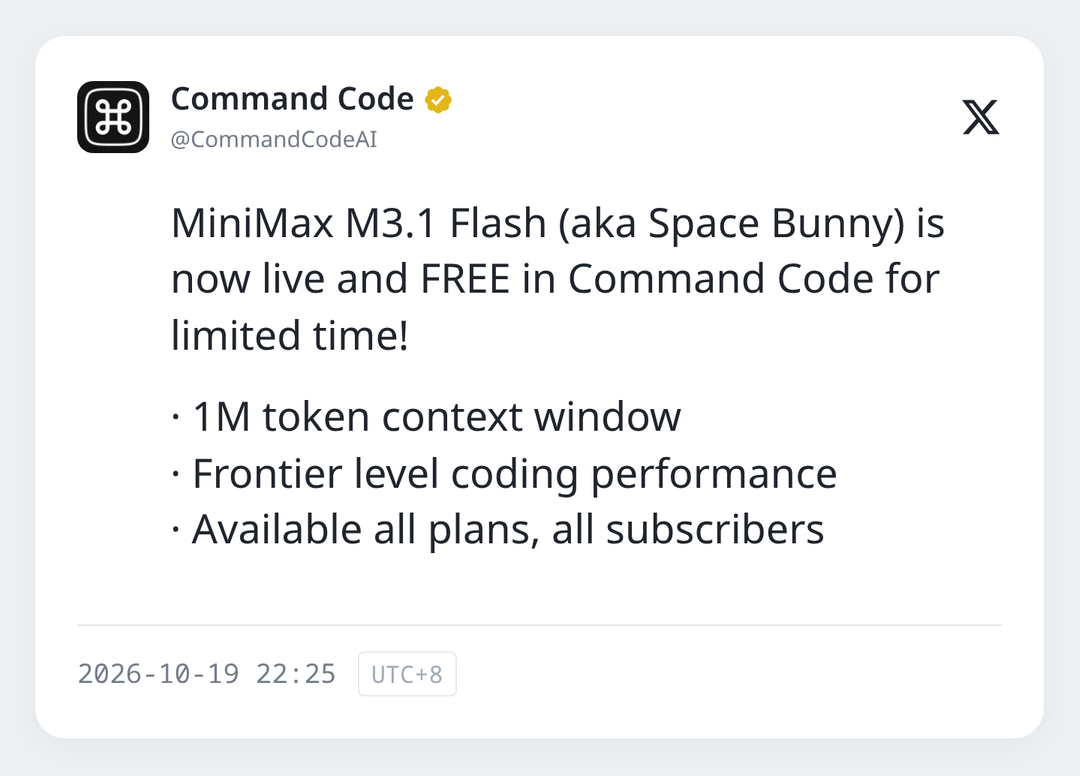
Command Code now offers MiniMax M3.1 Flash (formerly codenamed Space Bunny), free for a limited time on all plans. The model supports a 1-million-token context window, and Command Code says it has frontier-level coding ability.
Postx.com/CommandCodeAI/status/212188292078952773
4. TRAE launches a series of 1024 Programmers' Day events
TRAE has launched a series of events for 1024 Programmers' Day, including check-in prize draws, online and offline community events and a themed film. From 00:00 on 19 October to 18:00 on 24 October, users who sign in to the latest TRAE China desktop app and check in get that day's reward and a chance at a grand prize of 1 million credits; there is a single winner, drawn at 19:00 on 24 October in the official livestream. The community will also run online showcases and talks, and offline TRAE Friends events in 56 cities. A film, "To Developers of the AI Era", is planned for release on 23 October.
Announcement: https://mp.weixin.qq.com/s/obNwXPaKKNcr3jQbrsLiiA

5. Devin introduces efficiency-based automatic cost controls
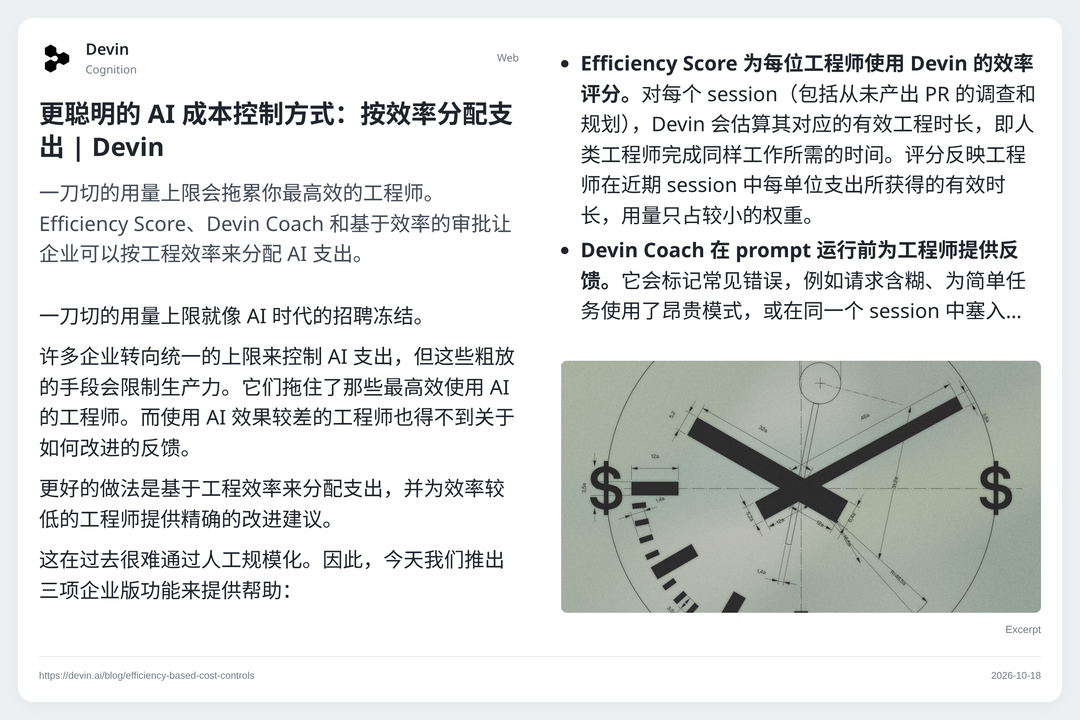
Cognition has added Efficiency Score, Devin Coach and efficiency-based auto-approval to its Devin AI coding assistant, managing AI spending according to how efficiently engineers use it. Efficiency Score rates recent usage from 0 to 100, measuring the useful engineering hours delivered per unit of spending and also counting output volume; useful work such as investigation and planning that does not produce a pull request still counts. Devin Coach flags problems such as vague requests or using an expensive mode for a simple task before a prompt runs, and suggests improvements. Auto-approval is available to all Devin Enterprise customers.
Blogdevin.ai/blog/efficiency-based-cost-controls
III. Products shipping
1. Notion AI upgrade: automatic model selection cuts cost, with 24-hour tasks
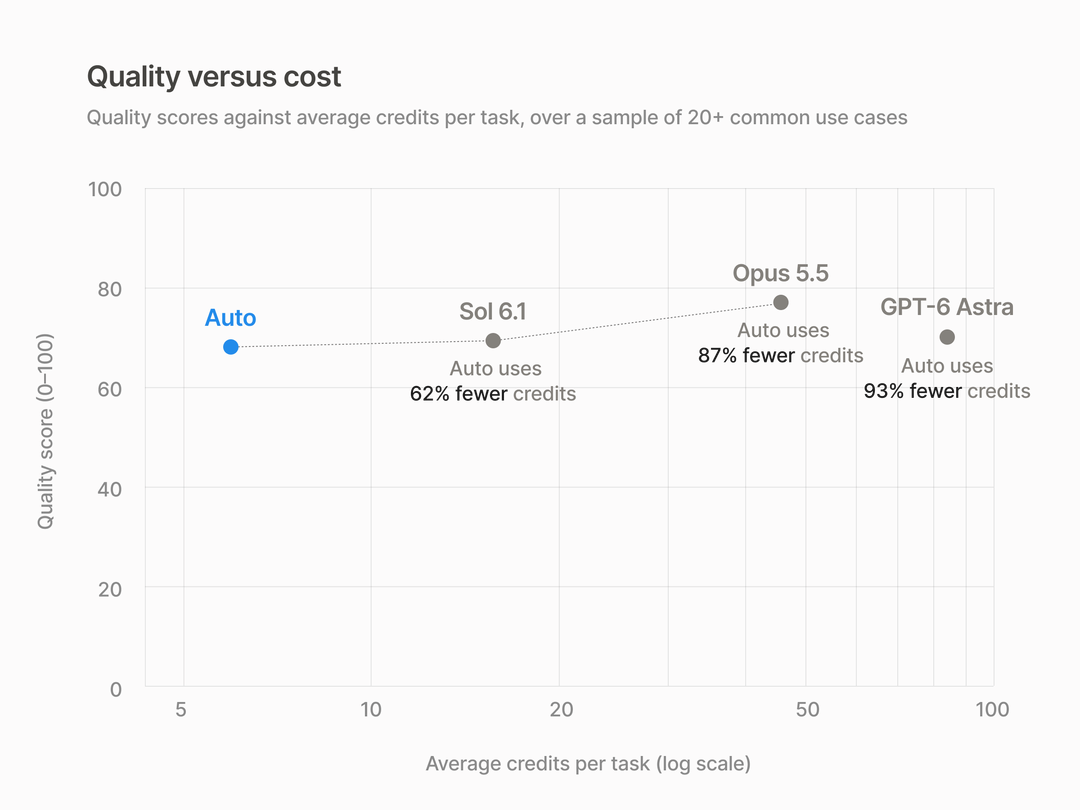
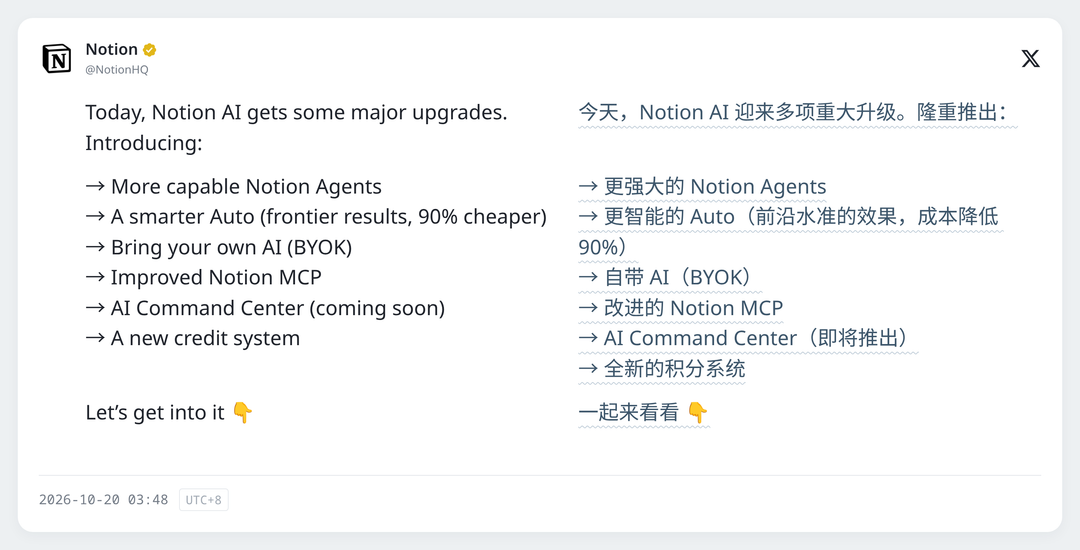
Notion has upgraded Notion AI, improving its Auto model selection and the infrastructure that runs agents, and introducing a new credit system. Notion says that across more than 20 common use cases, Auto mode comes close to Opus 5.5 and Astra at about 90% lower average cost, and agent tasks can run for up to 24 hours. Users can connect a ChatGPT Plus, Pro or Go subscription to their personal Notion Agent, though not yet to Custom Agents; a BYOK option for bringing your own model keys is in private alpha for Enterprise customers. Each Business and Enterprise seat includes 1,500 Standard credits and 500 Select credits a month, for Auto model selection and for user-chosen models or Custom Agents respectively; the new system applies to new customers now, with existing customers moving over on 2 November. Notion MCP has also improved and now syncs memory, and an AI Command Center for managing usage, spending and permissions in one place will follow.
Announcement: https://www.notion.com/blog/notion-ai-more-for-less Post: https://x.com/NotionHQ/status/212269722075242887
2. Tencent launches a free education edition of WorkBuddy
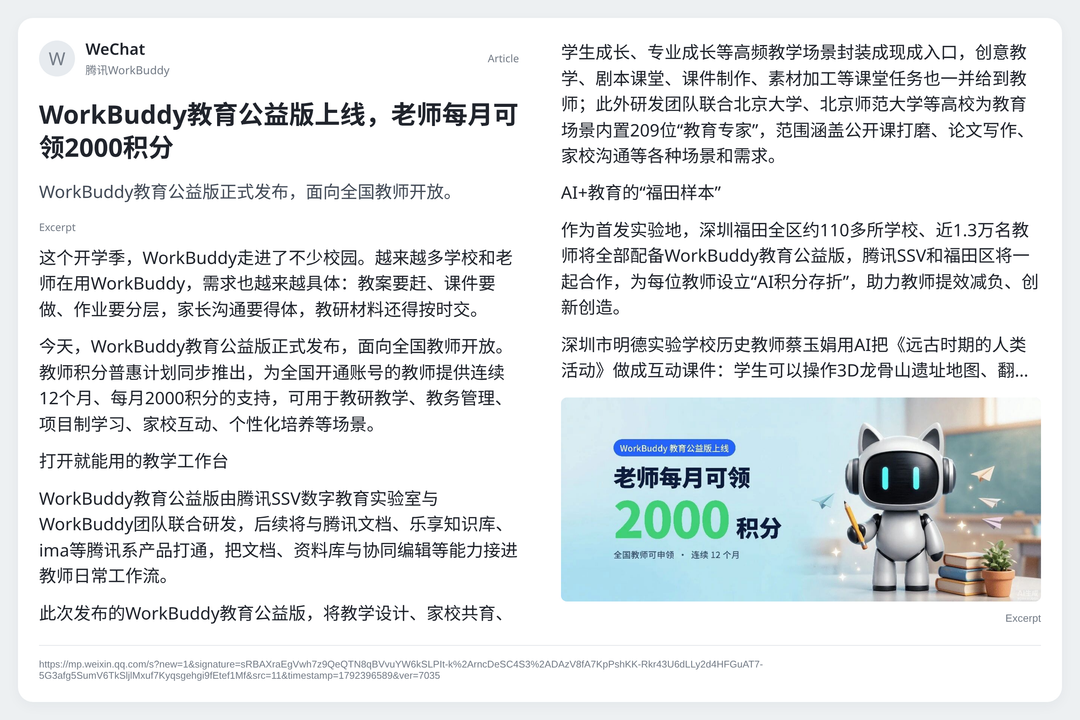
Tencent has launched a free public-benefit education edition of WorkBuddy for working teachers across China, in any region and at any school level, activated within three working days of approval. Each teacher gets 2,000 credits a month for 12 consecutive months, topped up automatically on the 1st of each month, and can still use free models after running out. The edition offers task entry points for lesson preparation, making courseware, tiered homework and home-school communication, includes 209 built-in "education expert" roles, and works on desktop and in a mini program. During the October–December pilot, credits can be used on all models; afterwards they will split into 1,600 credits for Hunyuan 4 and 400 for other models, with Hunyuan 3 free without limits for now.
Announcement: https://mp.weixin.qq.com/s?__biz=MzI0NzU1NzI5NQ%3D%3D&mid=2247544876&idx=1&sn=b12bbf0e3c265e4bc6a43f2e75ebe6fe
3. Grok Bot can be set as the iPhone Action button
The Grok Bot team says users can now assign Grok Bot to the iPhone Action button: pressing the physical button starts a voice conversation with the bot without opening the app first.
Postx.com/bot/status/212252507762368684
4. ChatGPT desktop can edit sent messages
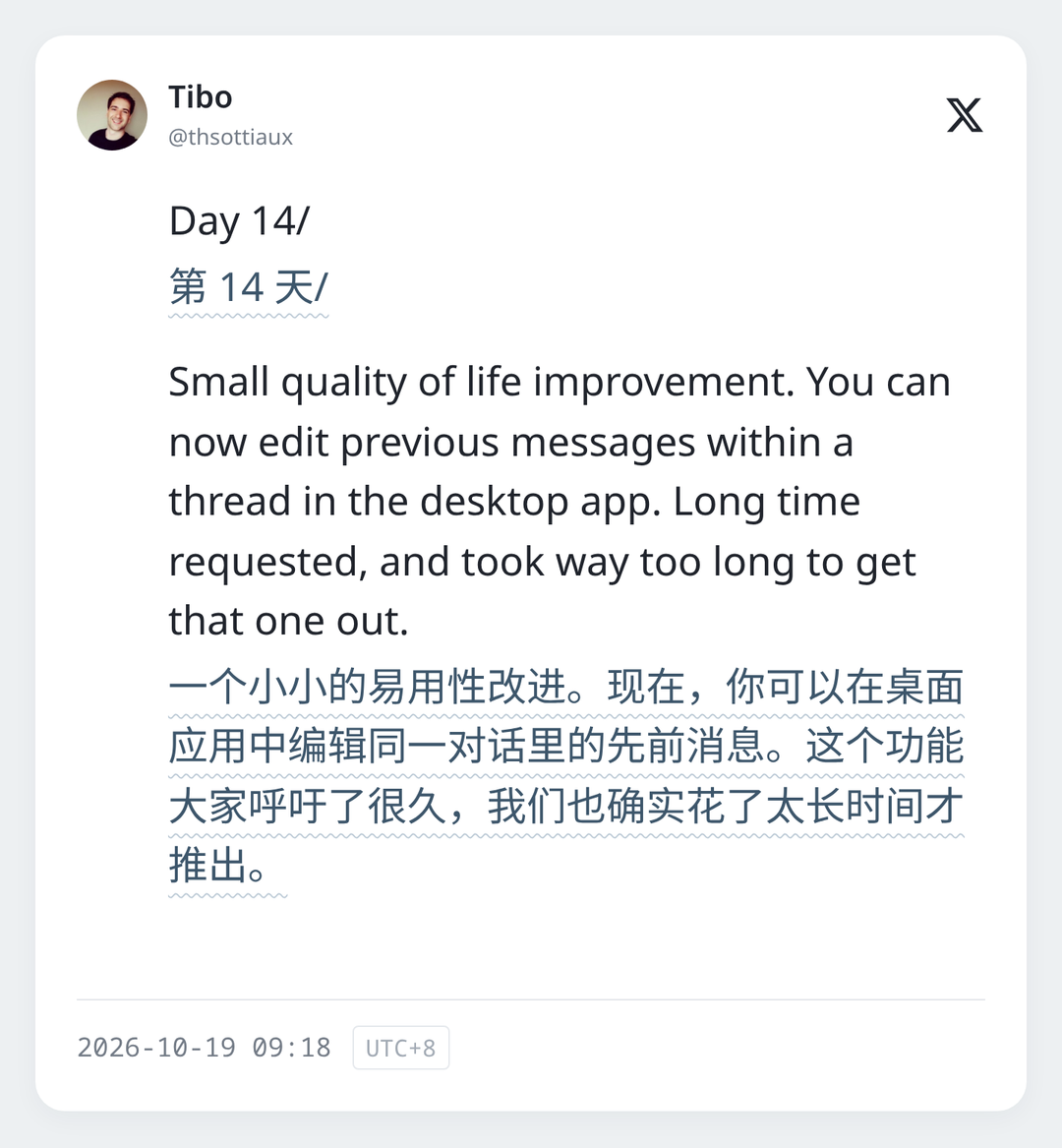
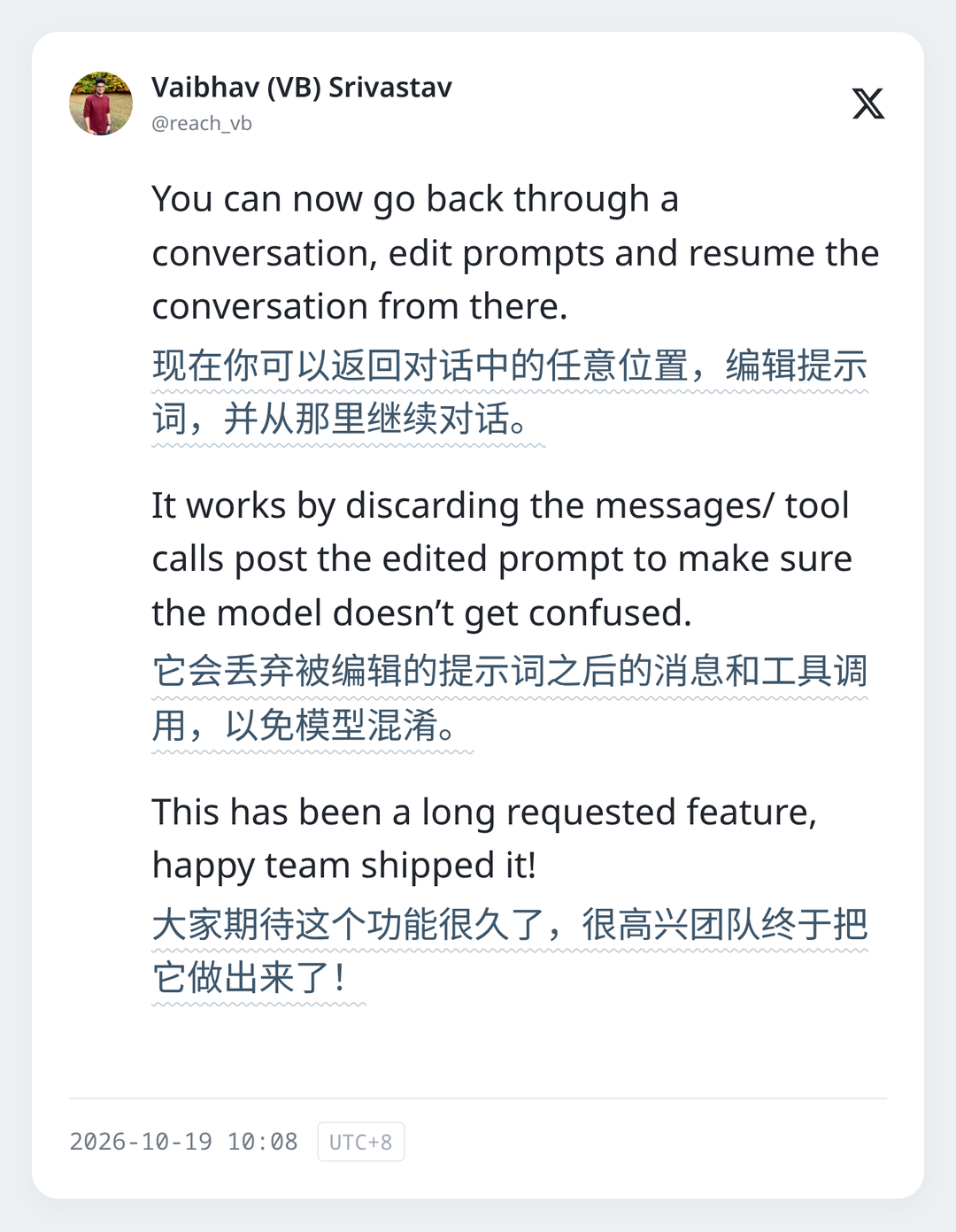
OpenAI confirmed that the ChatGPT desktop app can now edit earlier messages in the same conversation. After changing a prompt, the conversation continues from that point, and messages and tool calls after the edited message are discarded to avoid confusing the context.
Postx.com/thsottiaux/status/211990254408434095
5. Arena opens direct testing of GPT-Image-2.5 Sunburst
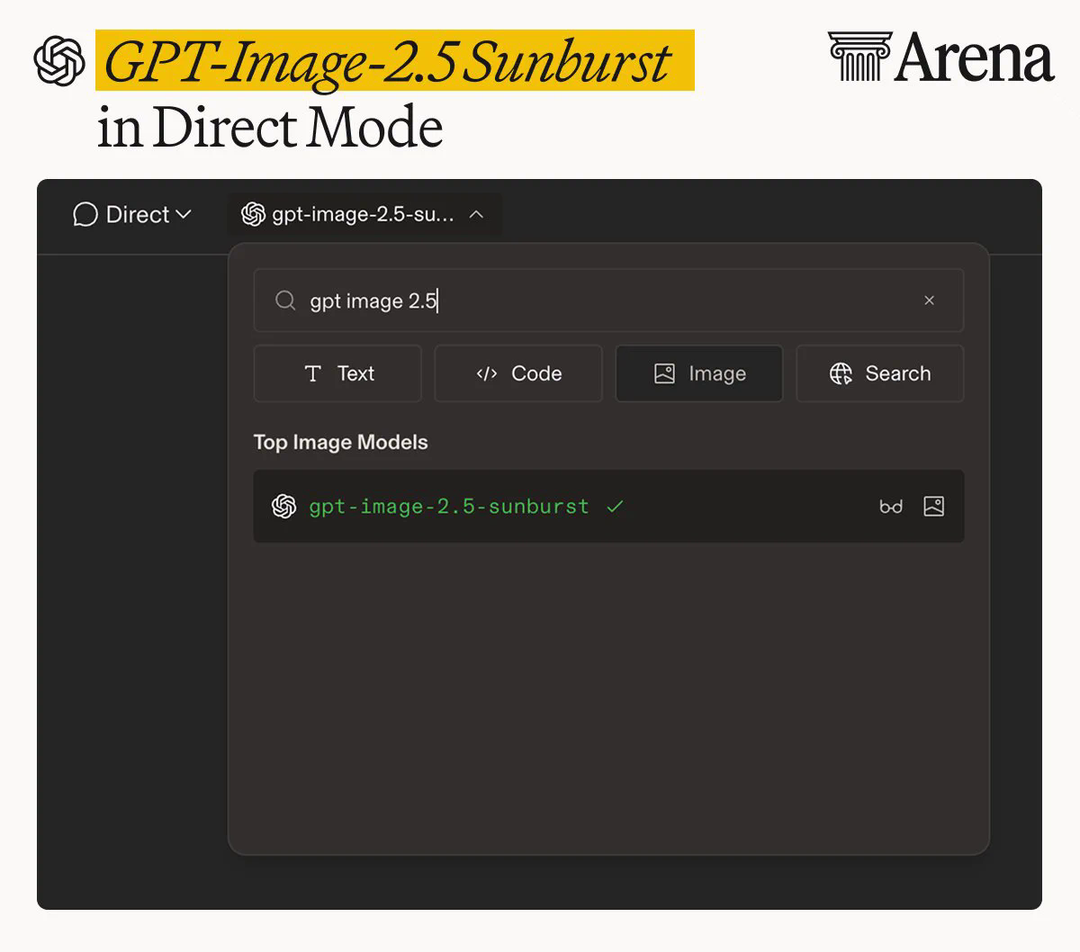
Arena has opened direct testing of OpenAI's GPT-Image-2.5 Sunburst image model in Direct Mode, where users can pick it from the drop-down menu. The window lasts 14 days, until 8 a.m. Pacific time on 2 November. The model ranks first on Arena's text-to-image, image editing and multi-image editing leaderboards. After the window closes it will remain available anonymously in Battle and Agent Mode.
Postx.com/arena/status/212199487217434855
IV. Technical insight and frontier research
1. OpenAI: models are much better at low-resource programming languages
OpenAI says its latest models are much better at building in and migrating low-resource programming languages such as COBOL, Fortran and Visual Basic, helping developers modernise legacy systems while keeping the original business logic. On OpenAI's MultiLangBench, GPT-6 Astra at maximum reasoning effort averages an 87.4% test pass rate, against just 26.8% for GPT-5.6 Sol. In a COBOL migration evaluation that requires preserving program behaviour, GPT-6.1 Sol at low reasoning effort scores 86.6% accuracy versus 5.4% for GPT-5.6 Sol, at 39% lower API cost; with higher reasoning effort, accuracy reaches 97.9%.
Blog: https://openai.com/index/low-resource-programming-languages/ Repository: https://github.com/openai/MultiLangBench
2. Microsoft expands Project Perception to govern internal enterprise agents dynamically
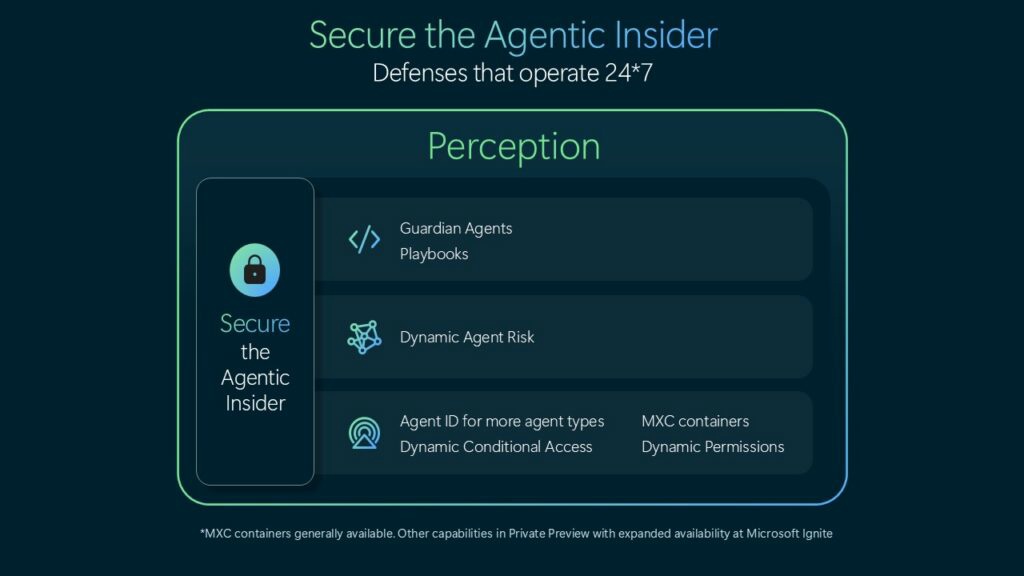
Microsoft has expanded its Project Perception security system, extending protections originally built against external AI-driven attacks to managing the risk of agents inside the enterprise. The system draws on signals across identity, data, cloud, endpoint, network and runtime to discover and manage agents, assigning them identities, containers, policies and permissions; discovery of local agents adds 35 new types for a total of 60. It also introduces dynamic permissions, dynamic agent risk assessment and dynamic conditional access for agents, scoping permissions to the task and, as risk changes, tightening read/write limits, requiring human approval, isolating the runtime or stopping execution. Microsoft also launched Playbooks and Guardian Agents, with humans setting policies and approval boundaries while risks are continuously investigated and controlled.
Blog: https://blogs.microsoft.com/blog/2026/10/19/securing-the-agentic-insider/ Blog: https://www.microsoft.com/en-us/security/blog/2026/10/19/agents-are-your-newest-insiders-security-must-move-at-their-speed/
3. Artificial Analysis launches a personality benchmark
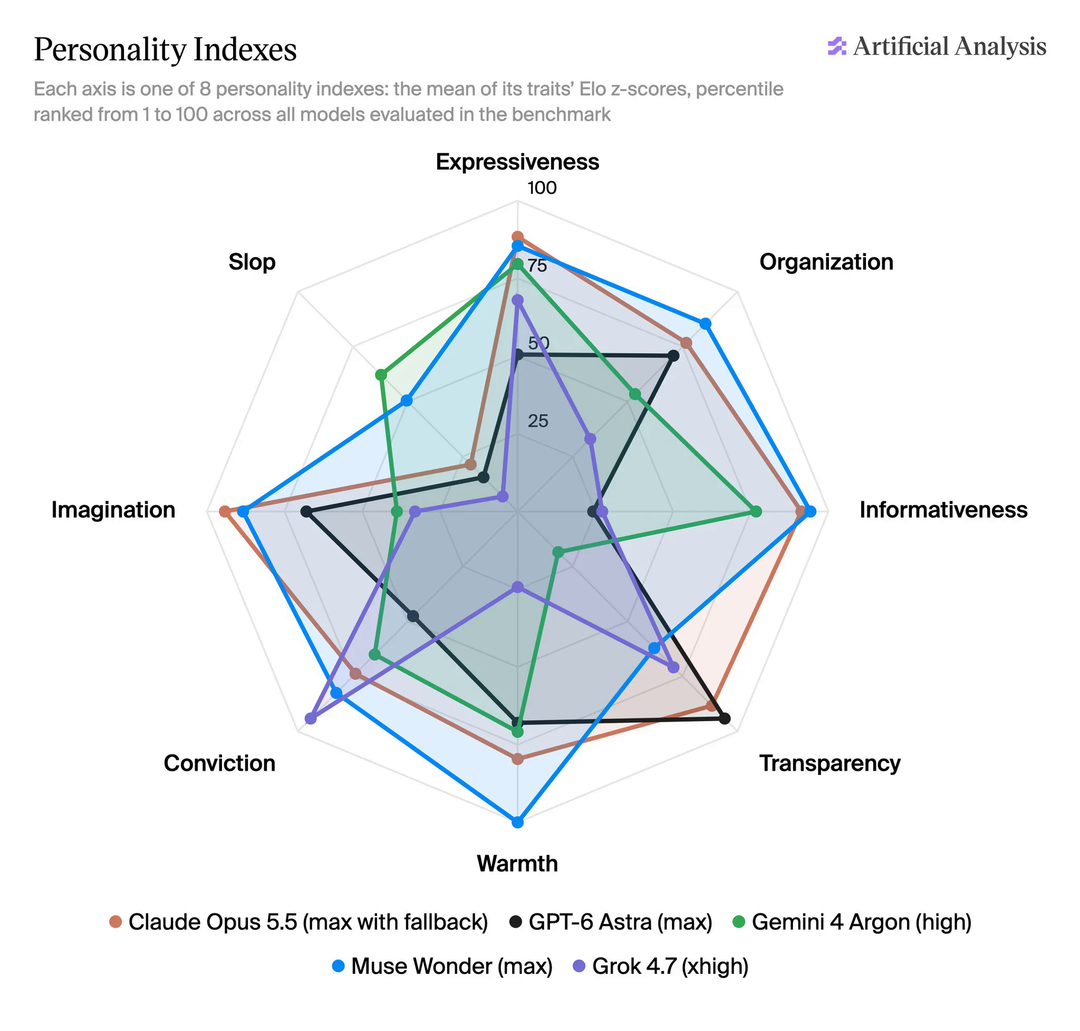
Artificial Analysis has launched AA-PersonalityBench, which measures how language models differ across 30 personality traits and 21 communication characteristics, helping users choose the right model for each use case. It has 900 curated questions, 30 per personality trait; a panel of LLM judges compares model answers pairwise, and the results roll up into 8 personality indices. Communication characteristics are computed programmatically across four groups: length, structure, punctuation and emphasis. The benchmark page supports side-by-side comparison of two models and custom rankings based on the traits and weights users choose.
Benchmark: https://artificialanalysis.ai/evaluations/aa-personalitybench
V. Industry moves
1. US orders federal civilian agencies to stop buying and remove DeepSeek
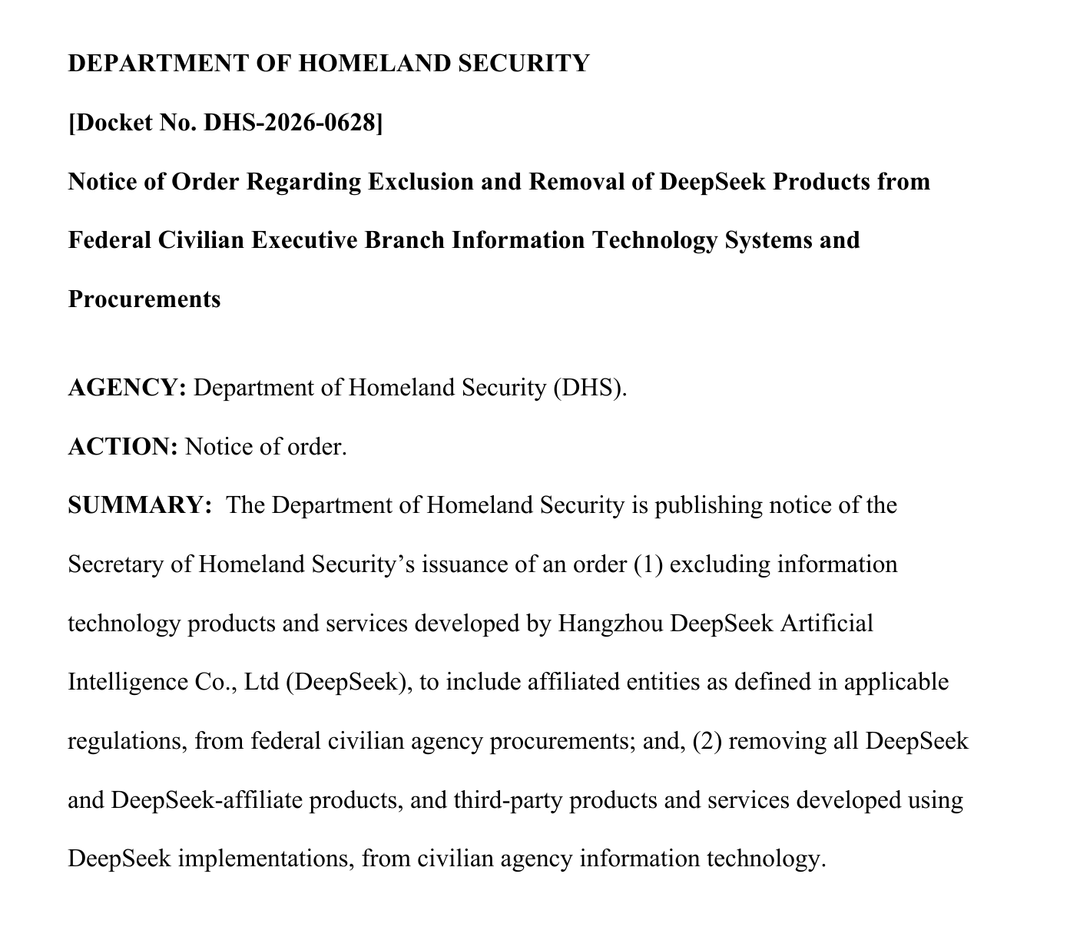
On 19 October the US Department of Homeland Security issued an order under the Federal Acquisition Supply Chain Security Act of 2018 barring federal civilian agencies from procuring IT products and services developed by Hangzhou DeepSeek and its affiliates. Civilian agencies' IT systems must remove all products from DeepSeek and its affiliates, as well as third-party products and services built on DeepSeek implementations. The US Department of Commerce, the Navy and states including New York, Tennessee and Virginia had already banned DeepSeek on government devices.
Notice: https://public-inspection.federalregister.gov/2026-21447.pdf Coverage: https://www.reuters.com/technology/us-banning-chinese-ai-deepseek-government-agency-it-systems-2026-10-19/
2. Phase one of Meta's gigawatt-scale Prometheus supercluster is complete
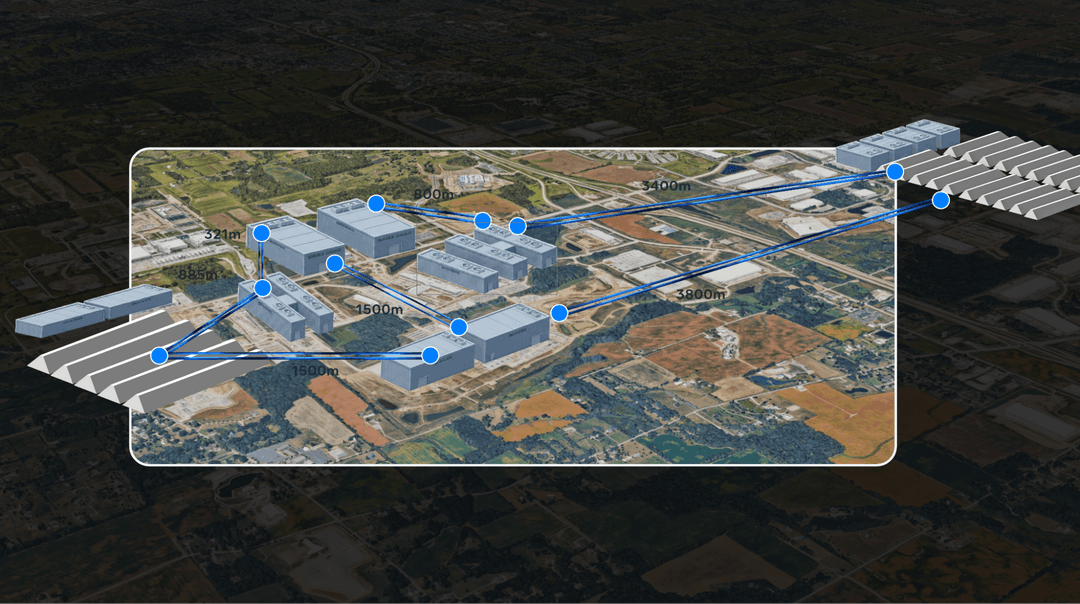
Meta says phase one of Prometheus, its gigawatt-scale supercluster in New Albany, Ohio, is complete and is already training the Muse family of foundation models, including Muse Wonder. The cluster currently connects hundreds of thousands of GPUs, with a target of about 1 million. Meta says effective throughput exceeded 85% for Muse Wonder pre-training and 90% for reinforcement learning. The mean interval between interruptions during training was about 47,000 GPU-hours, since raised to more than 54,000 GPU-hours through firmware improvements.
3. Doubao's PR head responds to rumours about compute allocation
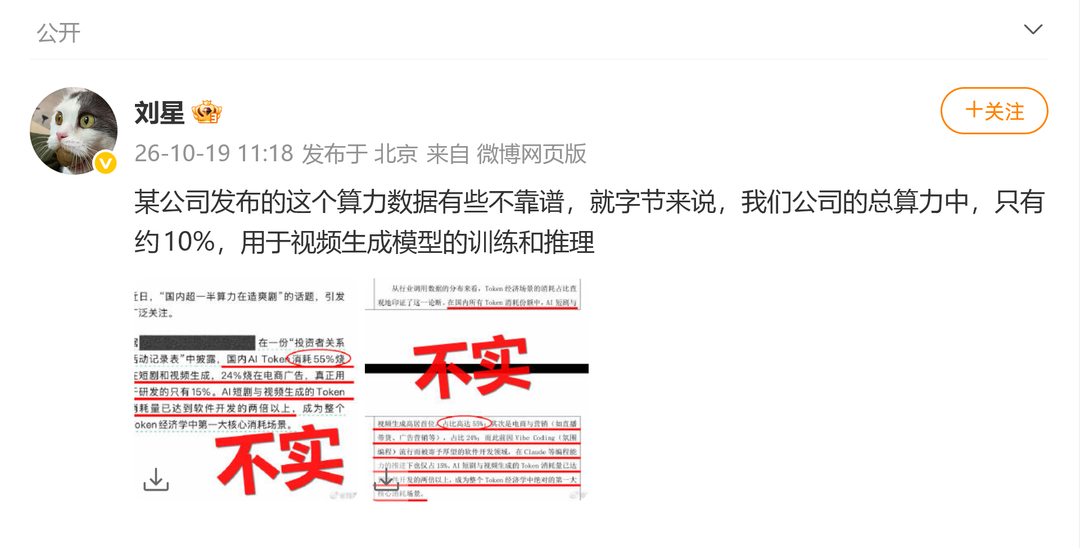
Liu Xing, head of PR for Doubao, publicly responded to the claim that "more than half of China's compute goes to making cheesy short dramas", calling the figure unreliable: only about 10% of ByteDance's total compute is used for training and running video generation models.
Responseweibo.com/4013603128/RnmNqvsrV?pagetype=profilefeed
4. Volcano Engine launches an incentive programme for AI dramas
Volcano Engine has launched the Seedance premium AI drama incentive programme for AI short dramas made with Seedance and released on the Hongguo short drama app; the first phase runs until 31 January 2027. All video content in an entry must be made with Seedance, with Seedance 2.5 accounting for more than 50%. Works that enter the monthly top 50 by Hongguo popularity and pass review can receive up to ¥200,000 each, half in cash and half in equivalent vouchers. Both companies and individuals can apply, and each season of an AI drama can claim the incentive only once.
Announcement: https://mp.weixin.qq.com/s?__biz=MzI0NzU1NzI5NQ%3D%3D&mid=2247544876&idx=1&sn=b12bbf0e3c265e4bc6a43f2e75ebe6fe
5. OpenAI helps OpenCode users restore service and refunds usage
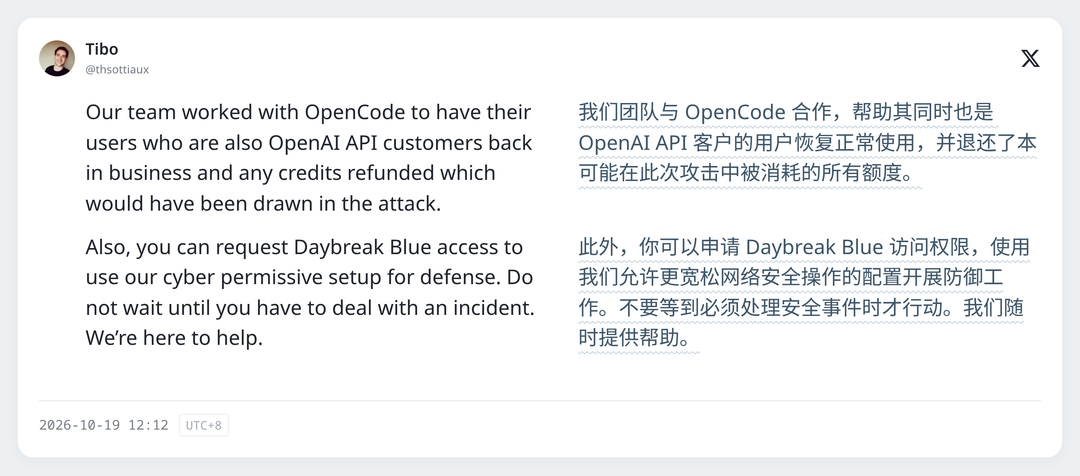
Codex lead Tibo said the team worked with OpenCode to restore service for OpenCode users affected by an attack and refund the usage that would have been charged during the attack; users can apply for Daybreak Blue access for cybersecurity defence. OpenCode had said a security incident linked to a large-scale distillation attack affected 1.4% of Console users, specifically some users who had linked external providers.
Postx.com/thsottiaux/status/212034063934742720
6. HUMXN offers free home services in exchange for training data
AI data and training company HUMXN has launched a free home services programme, taking applications in Minneapolis, Chicago and Miami: eligible households get free plumbing, electrical, HVAC, duct cleaning or carpet cleaning in exchange for recording the technician's work. Technicians record first-person footage with wearable capture devices, which HUMXN turns into training data for AI and robotics. The programme covers ordinary call-outs or single-day jobs and does not yet include major renovations or new construction.
Pagehumxn.io/humxn-launches-free-home-service-program

VI. Outlook and market rumours
No market rumours independently verified by third parties in this 24-hour window.
VII. Claw roundup
1. Models of every kind arrive, and tiered supply gets more granular
From general-purpose models such as MiniMax M3.1 and Mercury 3 to specialised models for voice, decisions, video and intent understanding, models of every kind are iterating quickly, with performance rising and costs falling. A supply system of tiers and use-case segments keeps maturing, covering everything from general to specialised needs while matching different users' and use cases' cost sensitivity through different performance and price levels, pushing AI into every use case.
2. Agent tools are run more finely, with cost efficiency as the core edge
Devin's efficiency scores and automatic cost controls, Notion AI cutting cost 90% with automatic model selection, and the spread of limited-time free models show agent tools moving from competing on features to competing on cost and efficiency. A full toolkit for cost optimisation is taking shape, from automatic model selection and dynamic scheduling to usage controls and efficiency assessment. Cost efficiency is becoming the core edge for agent providers and will drive enterprise agents to scale.
3. Enterprise agent security upgrades, from external defence to internal control
Microsoft extending Project Perception to internal enterprise agents, with dynamic permissions and risk assessment, shows agent security extending from defending against external attacks to controlling internal behaviour. A layered security system of dynamic permissions, risk tiers, conditional access and human approval is forming. From model alignment and environment isolation to behaviour control, enterprise agent security governance is being upgraded end to end to meet the security needs of production deployment.
VIII. Trending open source on GitHub
1. inclusionAI/Ming-3.0-audio-flash
Momentum: a new popular open project in voice AI. Summary: the Flash version of Ant Group Bailing's open-source Ming-3.0 voice family, a 126B-parameter audio understanding model supporting long-recording analysis, spoken Q&A and tool calling under the MIT licence — a strong open base for voice agents.
Repository: https://github.com/inclusionAI/Ming-3.0-audio-flash
2. XingChen-AGI/Xing4.0-29B-Intent
Momentum: a popular open project in intent understanding. Summary: China Telecom's open-source intent model with 29 billion parameters that recognises intent and extracts parameters at once, covering 19 domains and 52 languages under Apache 2.0 — suited to dialogue systems and agent routing.
Repository: https://github.com/XingChen-AGI/Xing4.0-29B-Intent
3. vllm-project/vllm
Momentum: a benchmark project among inference engines. Summary: a high-throughput LLM inference engine supporting many models with high concurrency and low latency for production deployment, with an active community — one of the most widely used open-source inference frameworks.
Repository: https://github.com/vllm-project/vllm
4. deepseek-ai/deepseek-harness
Momentum: a leading Chinese agent framework. Summary: DeepSeek's official open-source, fully plugin-based agent framework with multi-model support, tool calling and workflow orchestration. It is highly customisable for enterprise agent development and self-hosted deployment.
Repository: https://github.com/deepseek-ai/deepseek-harness
5. open-webui/open-webui
Momentum: the go-to front end for self-hosting. Summary: a full-featured open-source AI interface with multi-model support, plugins, RAG and multi-user management, deployable locally or in the cloud — the mainstream front end for self-hosted AI services.
Repository: https://github.com/open-webui/open-webui