1. Kimi apologises for K3.1 Pro rate limiting and excess usage, resets up to 25% of monthly usage for all subscribers and improves how sub-agents are called;
2. Day 20 of OpenAI's 28-day Codex improvement plan brings a full usage reset;
3. BOSS Zhipin's team open-sources the 33B-parameter Nanbeige4.3-33B model, beating same-size baselines on Terminal-Bench;
4. A CapCut video editing plugin is coming to ChatGPT, with testing across platforms in November;
5. Anthropic advises companies to fold some sub-agents into the main agent loop, roughly doubling speed in tests;
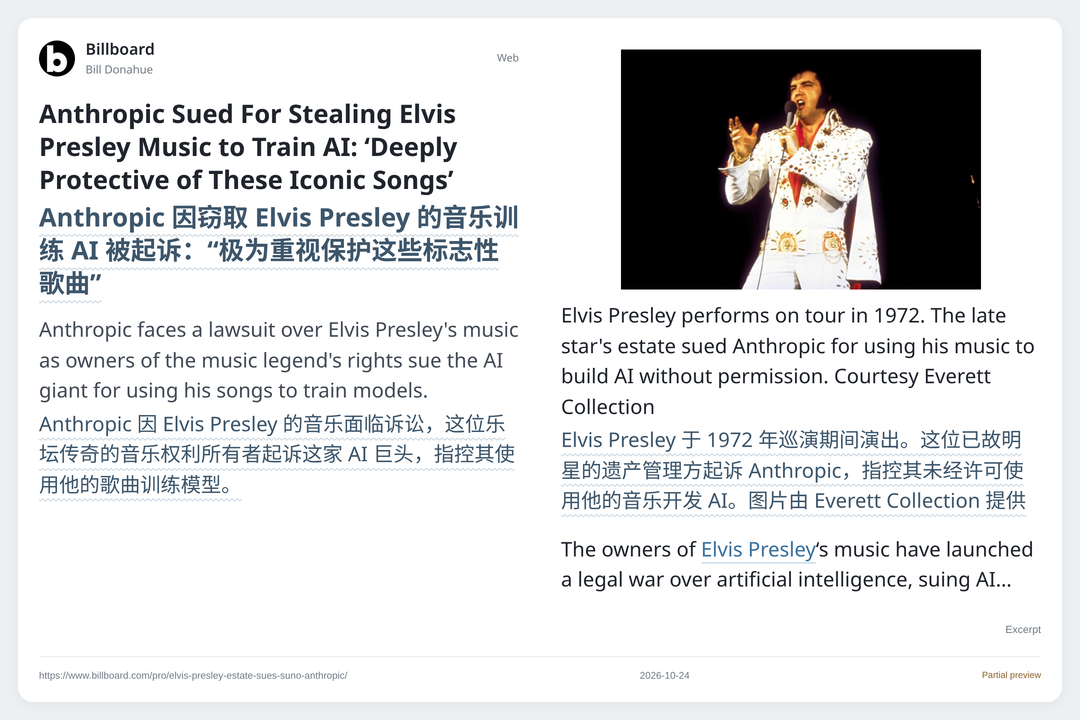
6. Elvis Presley rights holders sue Anthropic for using 274 songs without permission to train its models, seeking about US$41 million.
I. Model releases and open source
1. BOSS Zhipin's team open-sources the Nanbeige4.3-33B model
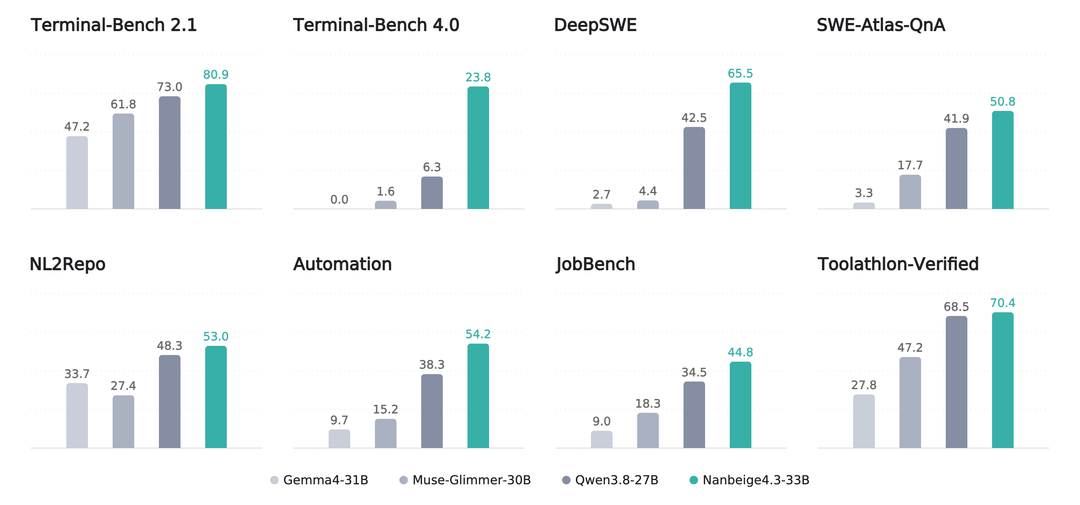
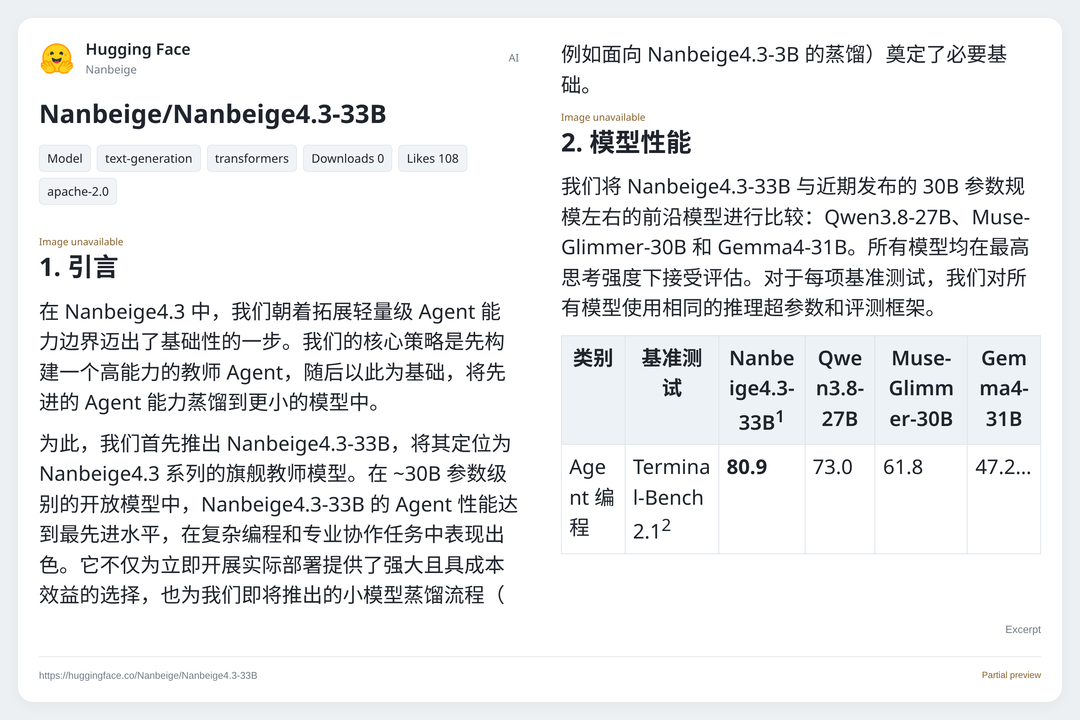
The LLM team at BOSS Zhipin has open-sourced Nanbeige4.3-33B, a 33B-parameter dense model with 512K context under the Apache-2.0 licence. The team positions it as state of the art for agent performance among 30B-class open models. In its evaluations the model scores 80.9 on Terminal-Bench 2.1, ahead of Qwen3.8-27B's 73.0. It also serves as the teacher for later small models, the first distilled version being Nanbeige4.3-3B. The community has published GGUF quantisations of the original BF16 weights, from 13.7 GB to 35.2 GB on disk, for different deployment needs.
Post: https://x.com/nanbeige/status/211432893318133798 Weights: https://huggingface.co/Nanbeige/Nanbeige4.3-33B
II. Developer ecosystem and tooling
1. Kimi apologises for K3.1 Pro rate limiting, resets usage for everyone and improves sub-agent calls
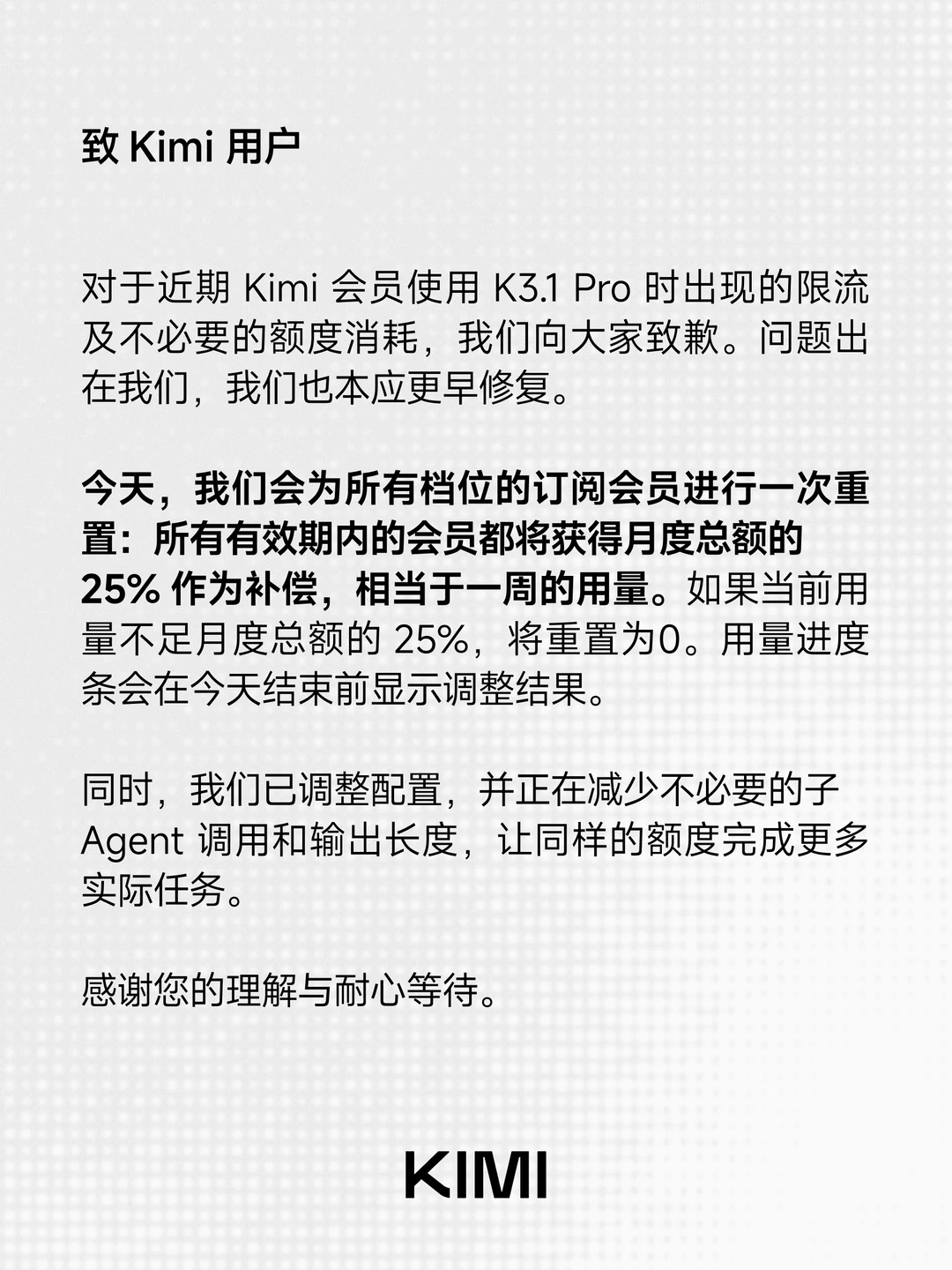
Kimi has publicly apologised for rate limiting and unnecessary usage on its K3.1 Pro subscription, acknowledging the problems were its own fault and should have been fixed sooner. As compensation, subscribers on every tier get a one-time usage reset restoring up to the equivalent of 25% of the monthly allowance; anyone who has used less than 25% has their usage reset to zero. The allowance is equivalent to a week's usage, and usage bars update within the day Pacific time. Kimi has also changed its configuration to cut unnecessary subagent calls and output length in the Kimi Code CLI and desktop app, reducing usage, and has improved sub-agent calling for K3.1 Pro so complex tasks are orchestrated and coordinated more efficiently.
Post: https://x.com/Kimi_Moonshot/status/2114450610724708492 Developer note: https://x.com/KimiDevs/status/2114327830465237001
2. Day 20 of OpenAI's 28-day improvement plan: full usage reset
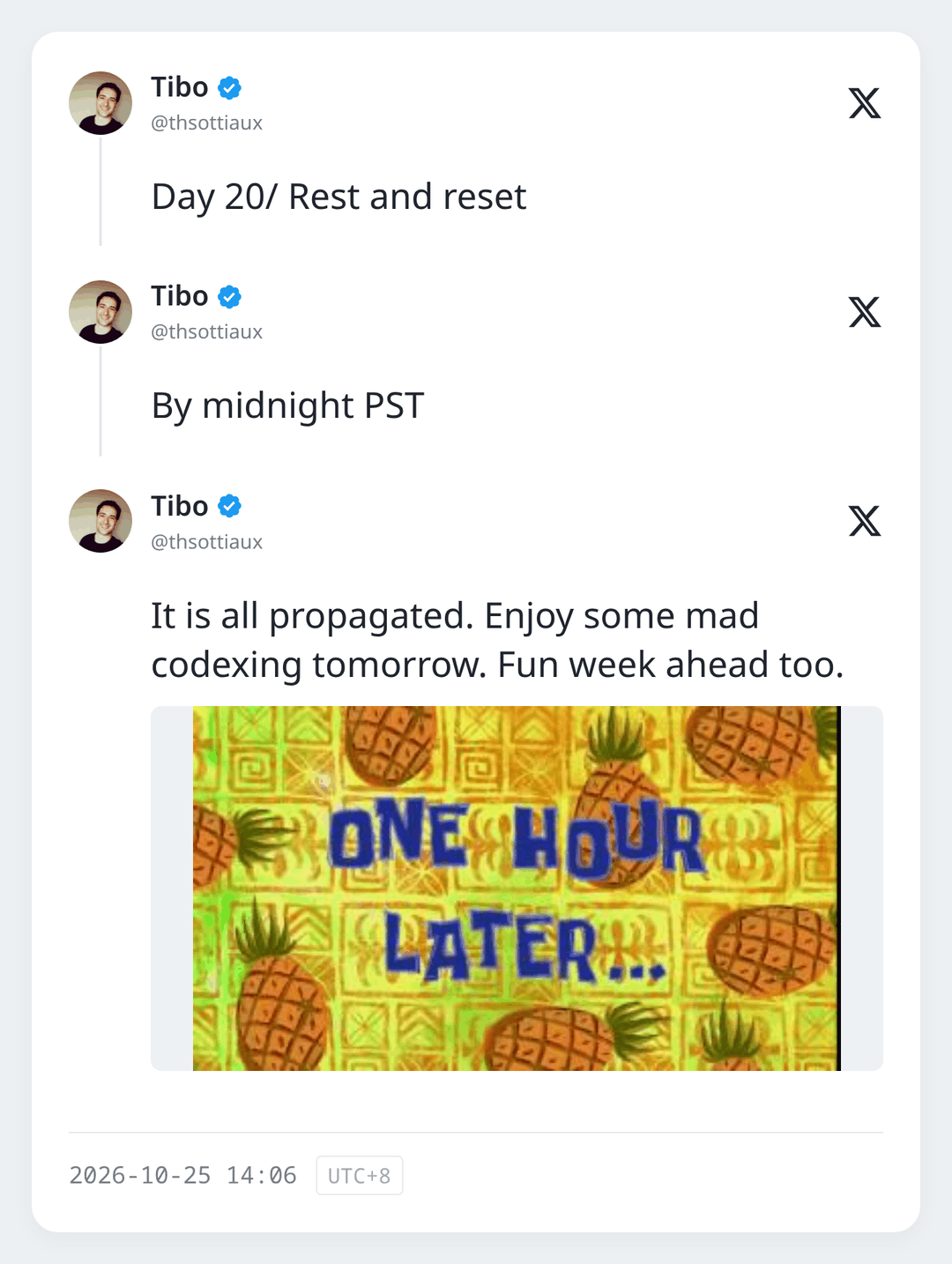
Tibo, who leads the Codex and ChatGPT team at OpenAI, announced that day 20 of the 28-day continuous improvement plan was a full reset day and the allowance changes have fully propagated. Under the plan, each day brings either a feature improvement or a full usage reset, and some days both. Tibo also teased major progress in the coming week and invited users to try Codex features the next day.
Postx.com/thsottiaux/status/2114237083652882932
3. OpenCode shares running data for its DeepSeek inference racks
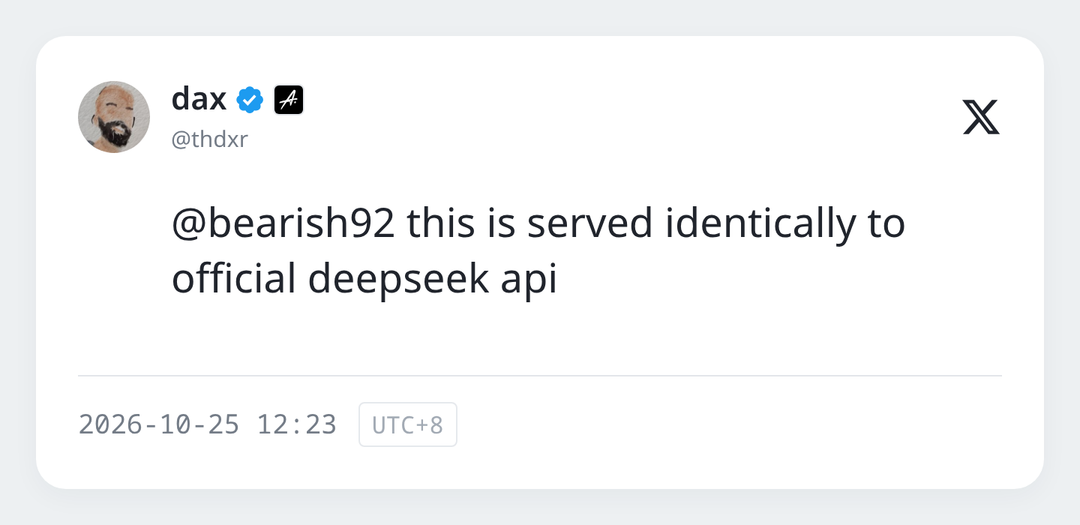
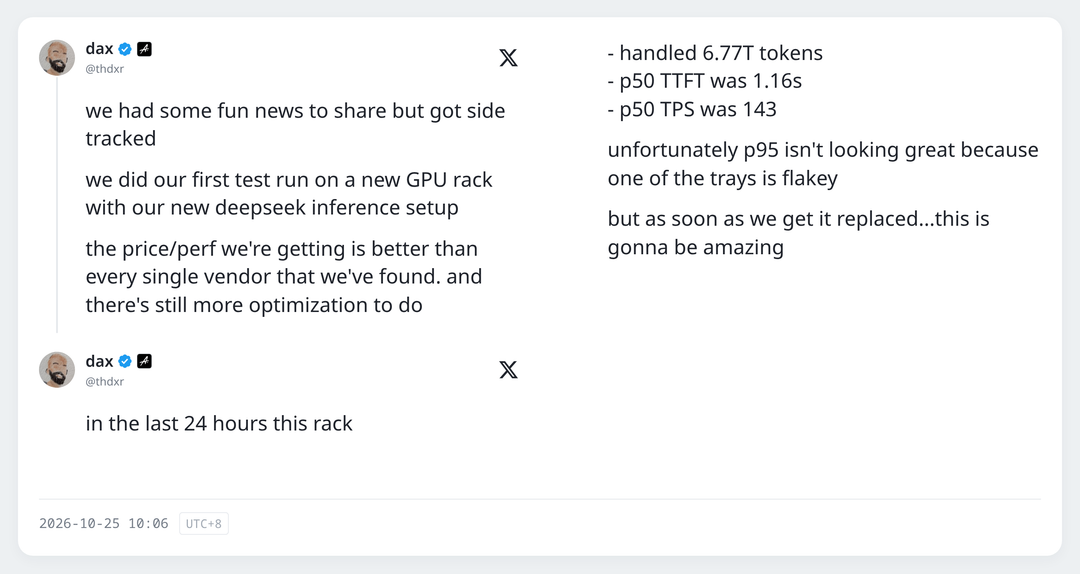
dax from the OpenCode team says its DeepSeek inference setup on new GPU racks processed 6.77 trillion tokens in the past 24 hours, with p50 time to first token of 1.16 seconds and p50 throughput of 143 tokens per second. He says the service matches DeepSeek's official API exactly; one tray in the rack was unstable, affecting p95 performance. Earlier tests showed the setup had better price-performance than other providers at the time.
Postx.com/thdxr/status/211421145615626433
4. Anthropic releases a migration kit and advises folding sub-agents into the main agent loop
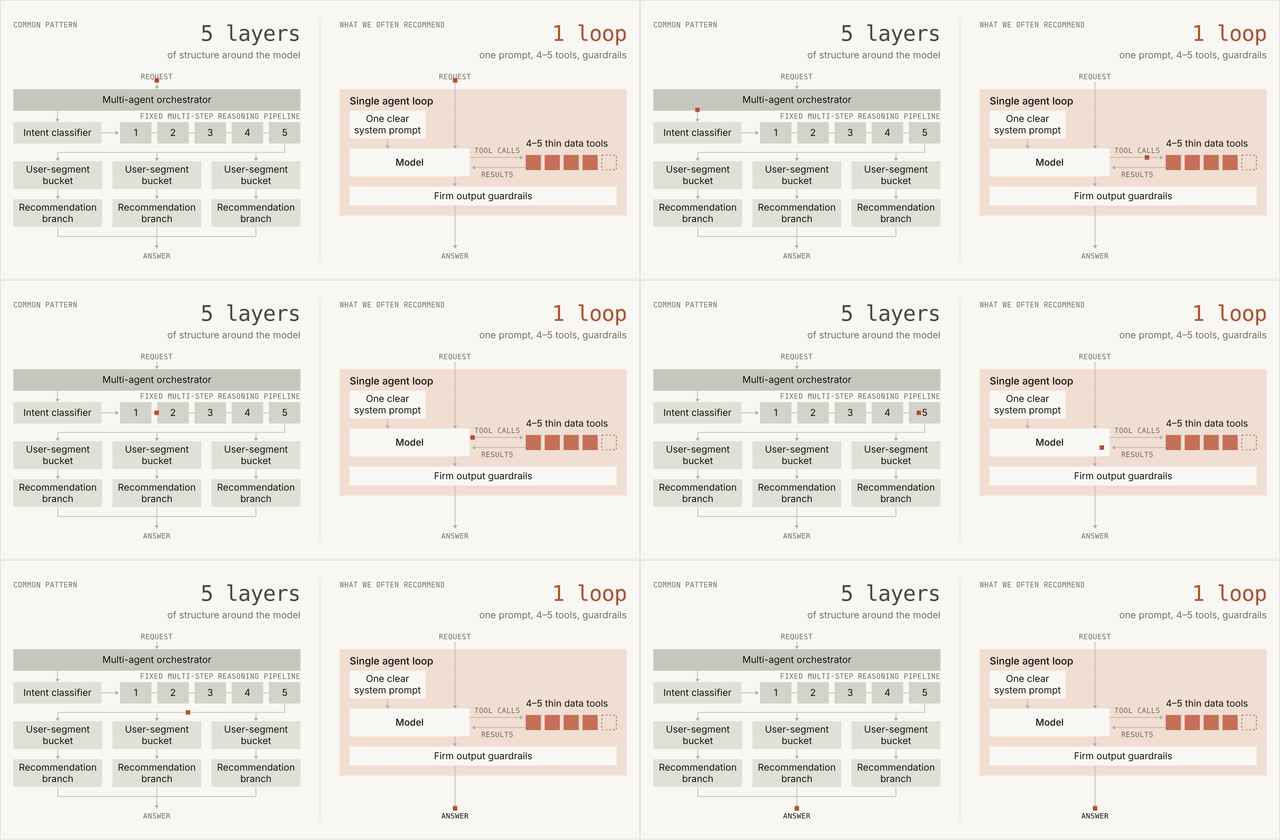
Anthropic has published architecture guidance and a migration tool for companies that have built multi-subagent architectures, recommending that routing, planning and domain sub-agents be folded into the main agent loop, loading context and tools on demand through Skills and tool search. Anthropic's comparisons show that a single agent with Skills often beats multi-subagent setups on task quality, at lower cost and latency per task; one customer's evaluation found the single-agent loop ran about twice as fast as a multi-agent framework. It has also released single-agent-loop-kit on GitHub, a migration toolkit with a guided workflow and a simulated demo system, plus a set of Claude API Skills. Anthropic notes that subagents remain essential where context bloat degrades performance or heavy parallelism is needed.
Blog: https://claude.com/resources/articles/building-agents-when-to-fold-subagents-into-your-main-agent-loop Repository: https://github.com/anthropics/single-agent-loop-kit
III. Products shipping
1. CapCut video editing plugin coming to ChatGPT, with testing in November
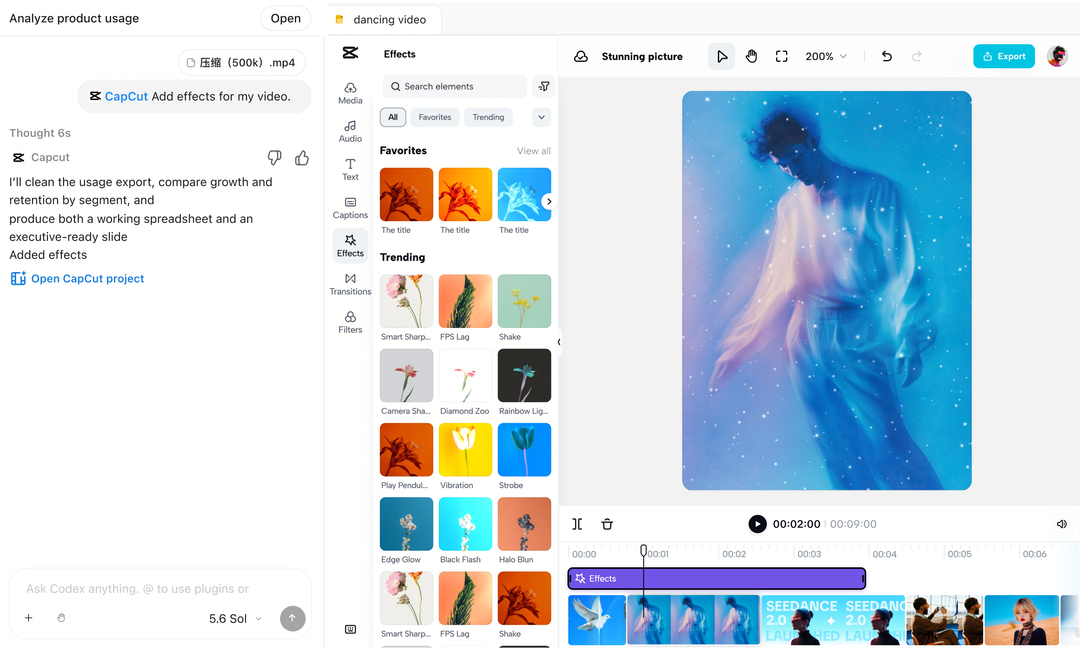
CapCut says its video editing and generation plugin is coming to ChatGPT, with testing planned on mobile, desktop and web in November. CapCut describes the workflow as CapCut × Codex: in the ChatGPT desktop app users can generate assets and adjust a draft's timeline in natural language, or upload an existing draft to keep editing; the resulting editable video draft can move to the CapCut web editor for refinement, sharing and publishing. CapCut notes that availability may vary by app version, account and region.
Page: https://www.capcut.com/tools/capcut-x-codex Post: https://x.com/capcutapp/status/2114062937094823955
IV. Technical insight and frontier research
1. Anthropic: a single agent loop beats multi-subagent architectures in most cases
Comparing deployments across many companies, Anthropic found that for most enterprise applications a single agent loop built on Skills performs better overall than a layered subagent architecture. The advantages show up in three ways: steadier task quality, lower cost per task and shorter end-to-end latency, with single-agent loops running up to twice as fast as multi-agent frameworks in tests. The research also notes that subagent architectures remain essential where strong parallelism or strict context isolation is needed, so companies should choose an architecture by the nature of the task rather than stacking layers of sub-agents by default.
Blogclaude.com/resources/articles/building-agents-when-to-fold-subagents-into-your-main-agent-loop
V. Industry moves
1. Elvis Presley rights holders sue Anthropic, seeking about US$41 million
Billboard reports that entities under Authentic Brands Group and rights holders linked to Elvis Presley have sued Anthropic, alleging it used 274 songs without permission to train its Claude models, infringing the copyright in the musical works. The plaintiffs seek US$150,000 per song, about US$41 million in total, and also allege that Claude generated unauthorised derivative content. The case is ongoing and Anthropic has not yet responded.
Coveragewww.billboard.com/pro/elvis-presley-estate-sues-suno-anthropic/
VI. Outlook and market rumours
No new market rumours independently verified by third parties in this 24-hour window.
VII. Claw roundup
1. Agent architecture optimisation deepens, shifting from stacking layers to efficiency first
Anthropic's guidance and migration tool for folding in sub-agents, and Kimi's improvements to sub-agent calls, show agent architecture moving away from the early habit of stacking sub-agent layers towards efficiency-first optimisation. Single agent loops, loading skills on demand and cutting unnecessary sub-agent scheduling are becoming the consensus for enterprise deployments, and the cost savings and efficiency gains will push agents into wider production use.
2. Model operations get finer, with balancing usage and experience as a core issue
Kimi's apology and usage reset, OpenAI's regular allowance resets and third-party platforms sharing inference performance data show LLM services entering a phase of fine-grained operations. From resource scheduling and allowance management to performance tuning, providers are seeking a dynamic balance between service stability, cost control and user experience, and operational finesse is becoming one of their core competitive strengths.
VIII. Trending open source on GitHub
1. Nanbeige/Nanbeige4.3-33B
Momentum: a new popular 30B-class agent model. Summary: BOSS Zhipin's open-source 33B-parameter dense model with 512K context, leading same-size models on Terminal-Bench, under Apache-2.0 — suited to agents and office work.
Repository: https://huggingface.co/Nanbeige/Nanbeige4.3-33B
2. anthropics/single-agent-loop-kit
Momentum: a popular tool for optimising agent architecture. Summary: Anthropic's official migration toolkit for single agent loops, with a guided workflow and simulated demo to help companies fold sub-agents into the main loop, improving efficiency and cutting costs.
Repository: https://github.com/anthropics/single-agent-loop-kit
3. deepseek-ai/DeepInfer
Momentum: a production inference framework that remains popular. Summary: DeepSeek's official open-source production inference framework, handling daily throughput at the scale of tens of billions of tokens, with distributed inference and speculative decoding across multiple hardware platforms under Apache 2.0.
Repository: https://github.com/deepseek-ai/DeepInfer
4. open-webui/open-webui
Momentum: the go-to front end for self-hosting. Summary: a full-featured open-source AI interface with multi-model support, plugins, RAG and multi-user management, deployable locally or in the cloud — the mainstream front end for self-hosted AI services.
Repository: https://github.com/open-webui/open-webui
5. vllm-project/vllm
Momentum: a benchmark high-throughput inference engine. Summary: a high-performance LLM inference engine supporting many models with high concurrency and low latency for large-scale production deployment, with a mature ecosystem — one of the most widely used open-source inference frameworks.
Repository: https://github.com/vllm-project/vllm