1. Meta releases the Muse Wonder family of flagship agent models, scoring up to 56 on the Intelligence Index;
2. SpaceXSI launches The X Subscription, combining Grok, Cursor and X Premium benefits in one plan;
3. OpenAI completes the eighth Codex usage reset, and the Agents API adds prewarmed sandboxes.
4. Zhipu launches the legal model GLM-Legal, and OpenBMB open-sources the MiniCPM-V 4.7 multimodal family.
5. Research moves fast: Anthropic tests whether small models can self-replicate and reports results against distillation attacks;
6. Karpathy says the gap in how people understand LLM capability keeps widening, and Qwen launches the QwenGyre ultra-long-horizon reinforcement learning framework.
7. On the industry side, Microsoft plans multi-gigawatt Maia deployments, NVIDIA opens its Vera Rubin rack designs, and AMD releases a new Ryzen AI Halo developer platform.
I. Model releases and open source
1. Meta releases the Muse Wonder agent models
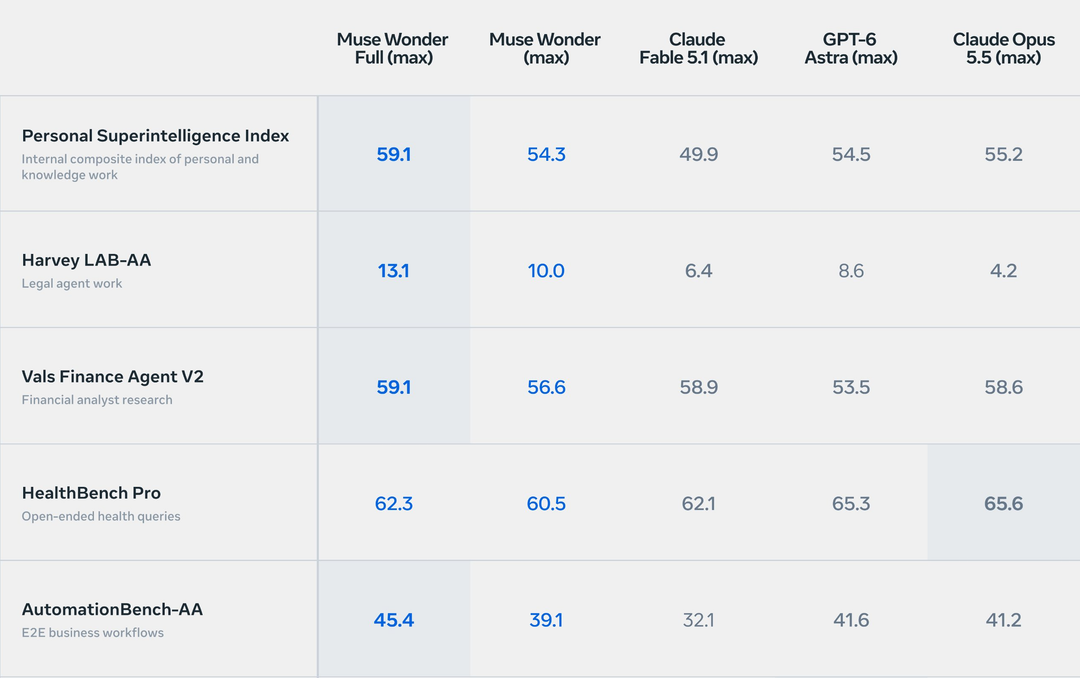
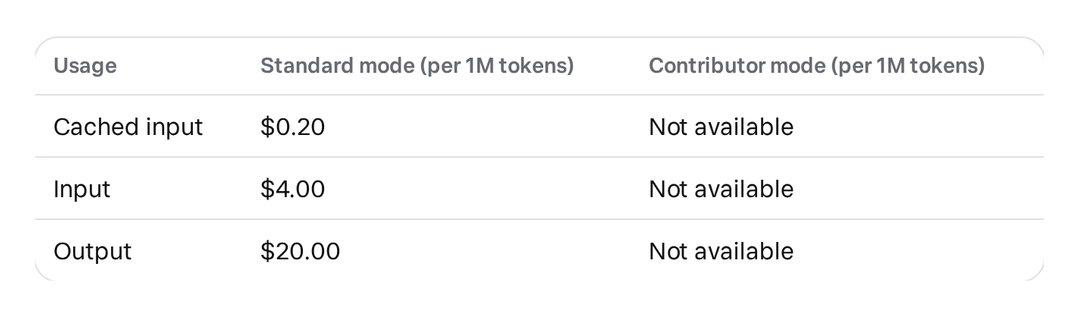
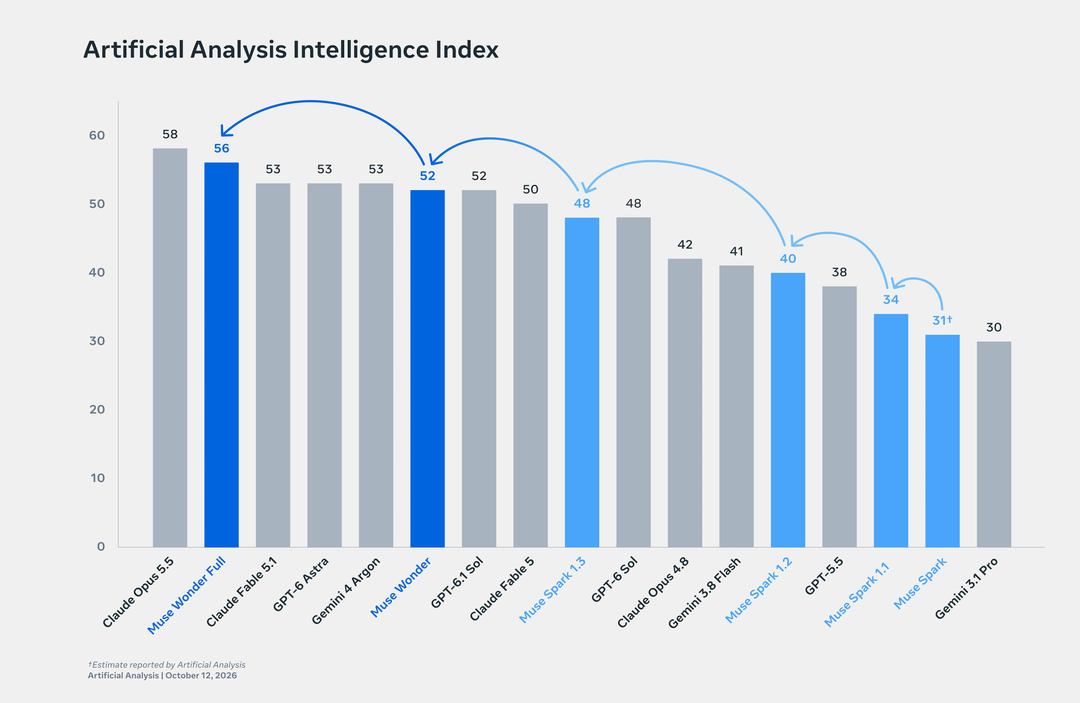
Meta has released two models, Muse Wonder and Muse Wonder Full, for personal and professional agent tasks. Key upgrades: Active Memory keeps important information about the user across conversations, and Active Focus makes the model try alternatives and work around obstacles on complex tasks, checking with the user before important actions. Both accept text, image, video and audio input with a 1-million-token context. Muse Wonder is available through the Meta Model API and Muse Code at US$4 per million input tokens, US$0.20 per million cached input tokens and US$20 per million output tokens; Muse Wonder Full is currently only for Muse Code subscribers. In Artificial Analysis evaluations the two score 52 and 56 on the Intelligence Index, up from 48 for the previous Muse Spark 1.3; Muse Wonder costs about US$4.52 per task on average.
Blog: https://research.meta.ai/blog/muse-wonder Model card: https://research.meta.ai/static/muse-wonder-model-card Pricing: https://dev.meta.ai/docs/pricing-rate-limits

2. Zhipu launches the legal model GLM-Legal
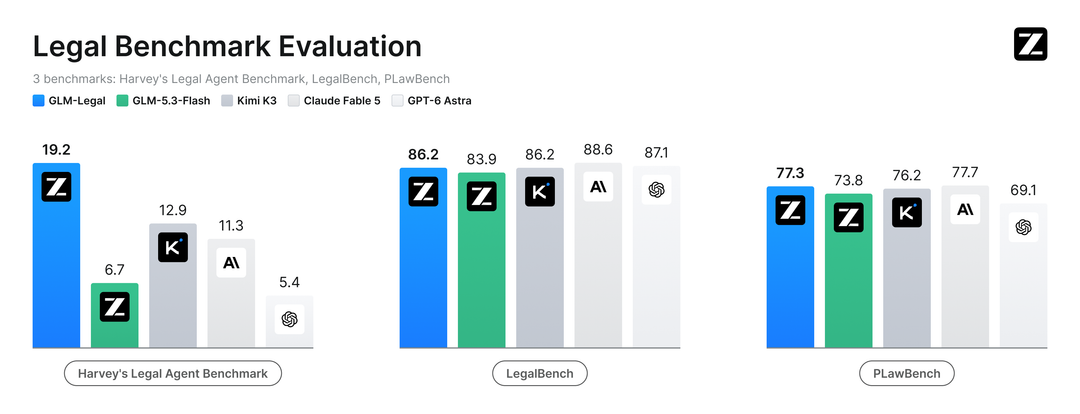
Zhipu has launched GLM-Legal, a model for legal work fine-tuned from GLM-5.3-Flash, aimed at workflows such as contract review, evidence analysis and compliance research. In Zhipu's evaluations it reaches a full pass rate of 19.2% on the Harvey LAB benchmark, 12.5 percentage points above the base model, and matches frontier closed models on LegalBench and PLawBench with a much smaller parameter count. The model is in testing and API access requires an application; its capabilities will soon come to the desktop agent platform AutoClaw.
Blog: https://z.ai/blog/glm-legal Post: https://x.com/Zai_org/status/2109678174468534511
3. OpenBMB releases the MiniCPM-V 4.7 multimodal models
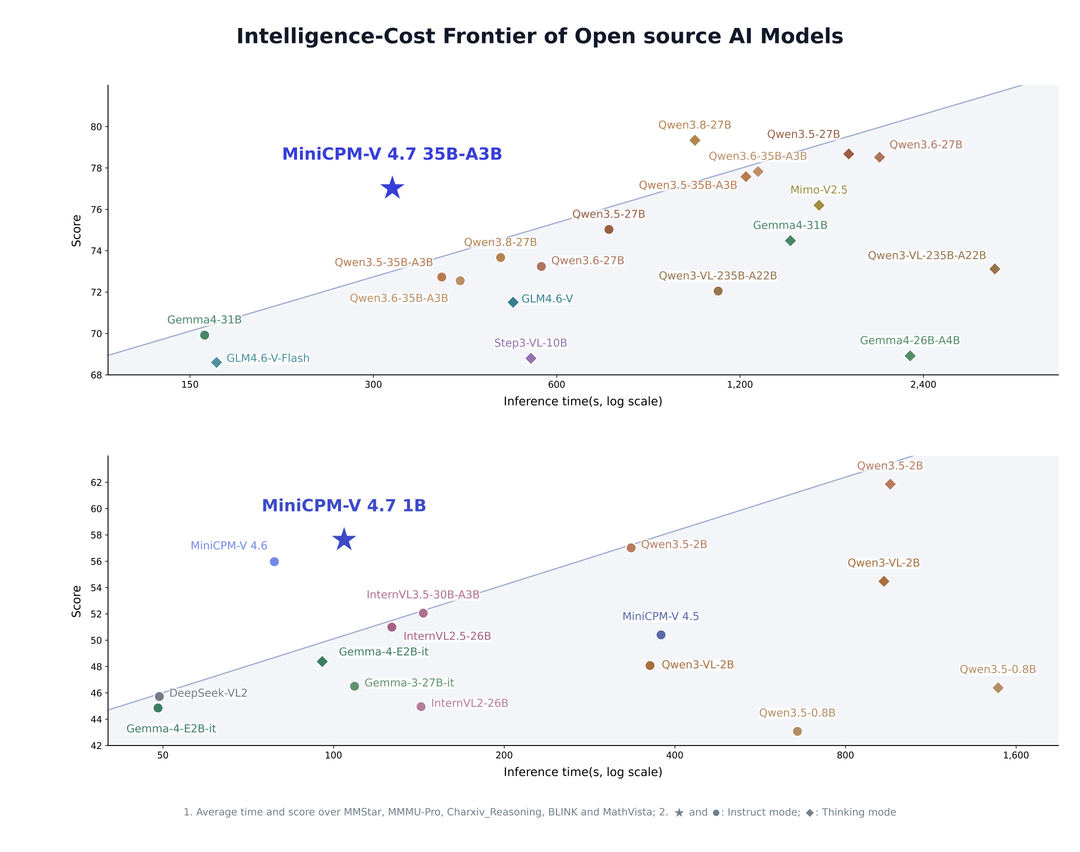
OpenBMB has released and open-sourced the MiniCPM-V 4.7 multimodal models in 35B-A3B and 1B sizes, supporting single-image, multi-image, document and video understanding and designed for phones, tablets and local devices. The 35B-A3B version introduces LES (layer-predictive preloading), which predicts and preloads the next layer's expert weights to cut inference wait time. In OpenBMB's tests it decodes at more than 13 tokens per second on an iPhone 17 Pro Max using about 3 GB of memory. The whole family supports mixed 4x and 16x visual token compression and comes with Self-Replay Fine-Tuning, a method for extending capabilities cheaply while reducing forgetting. Models, code and weights are open-sourced under Apache-2.0, with on-device deployment on iOS, Android and HarmonyOS.
Repository: https://github.com/openbmb/MiniCPM-V Weights: https://huggingface.co/openbmb/MiniCPM-V-4.7-35B-A3B Weights: https://huggingface.co/openbmb/MiniCPM-V-4.7-1B
II. Developer ecosystem and tooling
1. SpaceXSI launches The X Subscription
SpaceX Super Intelligence has launched The X Subscription, a single plan that puts Grok, Cursor and X Premium under one subscription, workspace and bill. There are four paid tiers: Plus (US$8 a month), Premium (US$30), Super (US$100) and Ultra (US$200); the top three include 4, 15 and 50 times the Plus allowance. Premium and above include Grok Bot and the full X Premium+ benefits. Each seat's weekly allowance is shared across first-party products such as Grok and Cursor. Third-party models in Cursor such as Claude and GPT do not count against the subscription and are billed separately at API list price, and first-party usage beyond the allowance requires a top-up. New users go straight onto the unified plan; existing Cursor, SuperGrok and X Premium users can keep their current plans, but switching cannot be undone.
Docs: https://docs.x.ai/x-subscription/overview Docs: https://docs.x.ai/x-subscription/pricing Docs: https://docs.x.ai/x-subscription/usage-limits
2. Codex completes its eighth usage reset
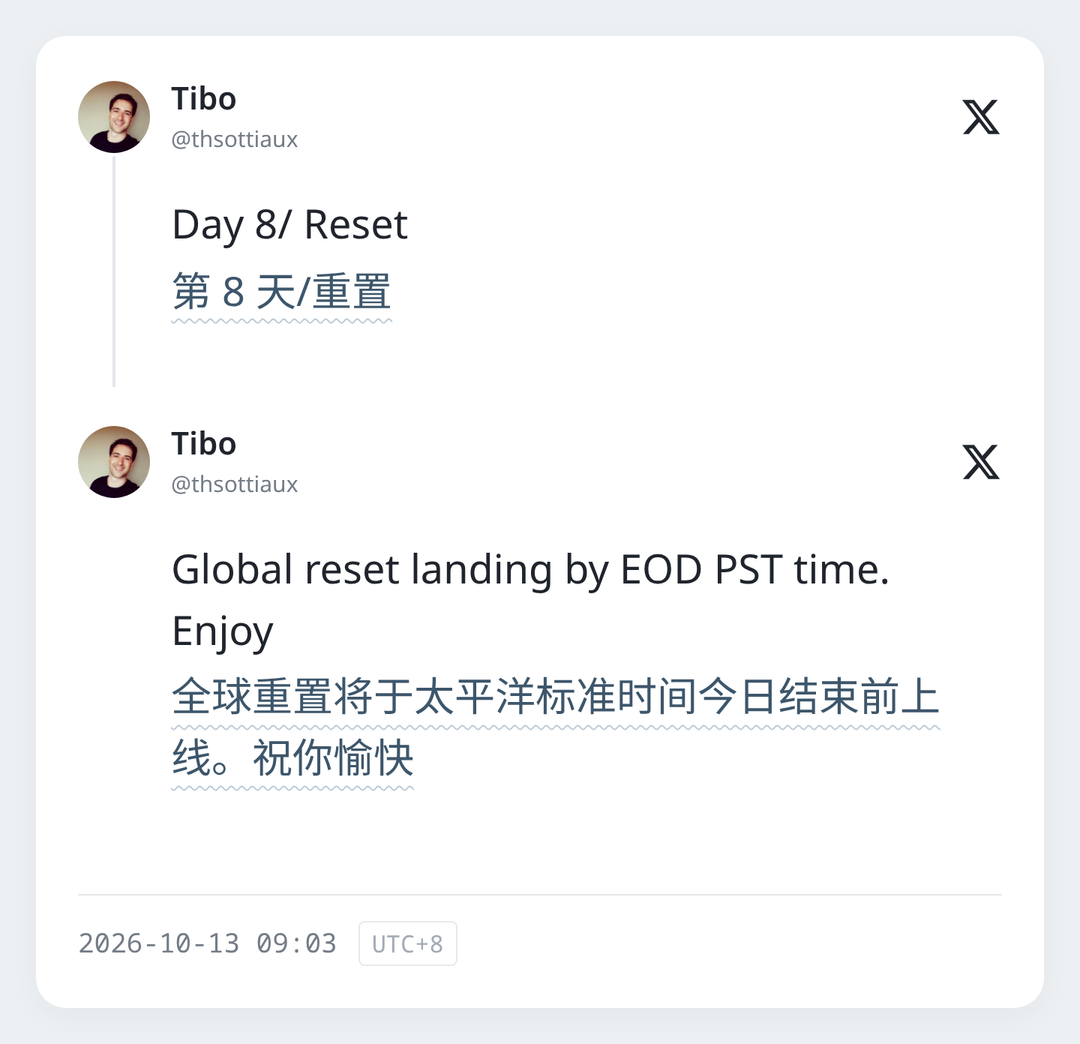
Codex lead Tibo announced that day 8 of the 28-day update plan brings a global usage reset, completed before the end of 13 October Pacific time. OpenAI had promised that for the next 28 days it would ship either a feature improvement or a full usage reset every day for most Codex and Work users.
Postx.com/thsottiaux/status/2109812216212099456
3. OpenCode Go offers US$80 of DeepSeek V4.1 Flash credit
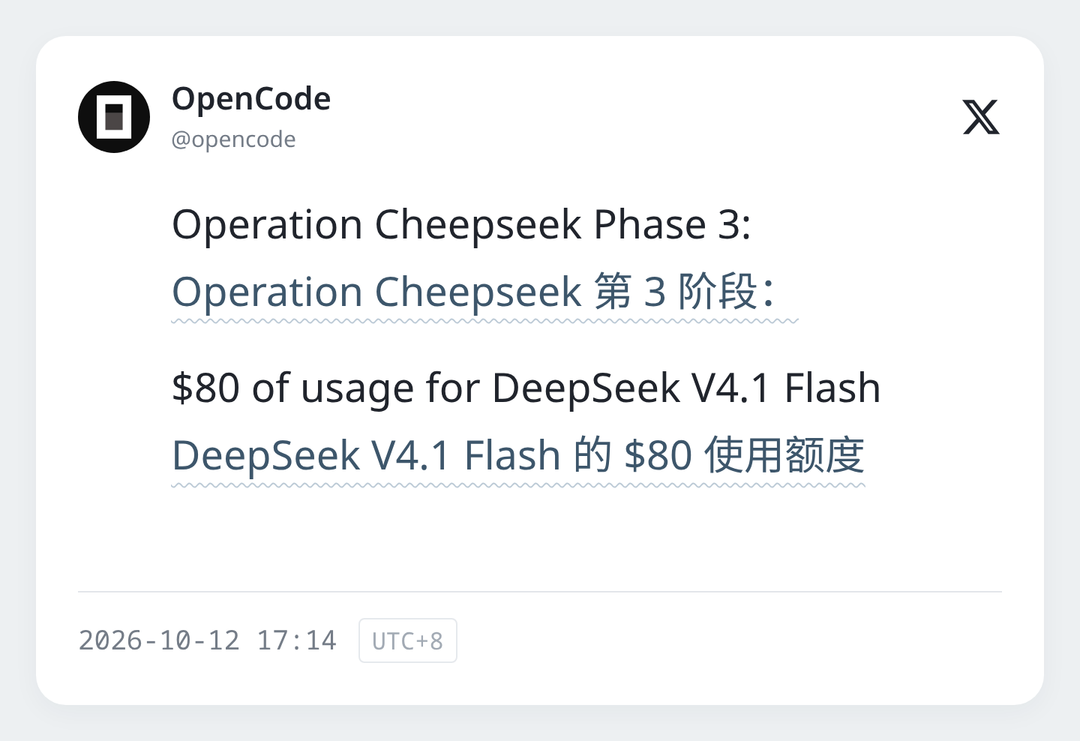
OpenCode announced phase three of Operation Cheepseek: OpenCode Go subscribers get US$80 of DeepSeek V4.1 Flash usage credit.
Postx.com/opencode/status/2109573342584058065
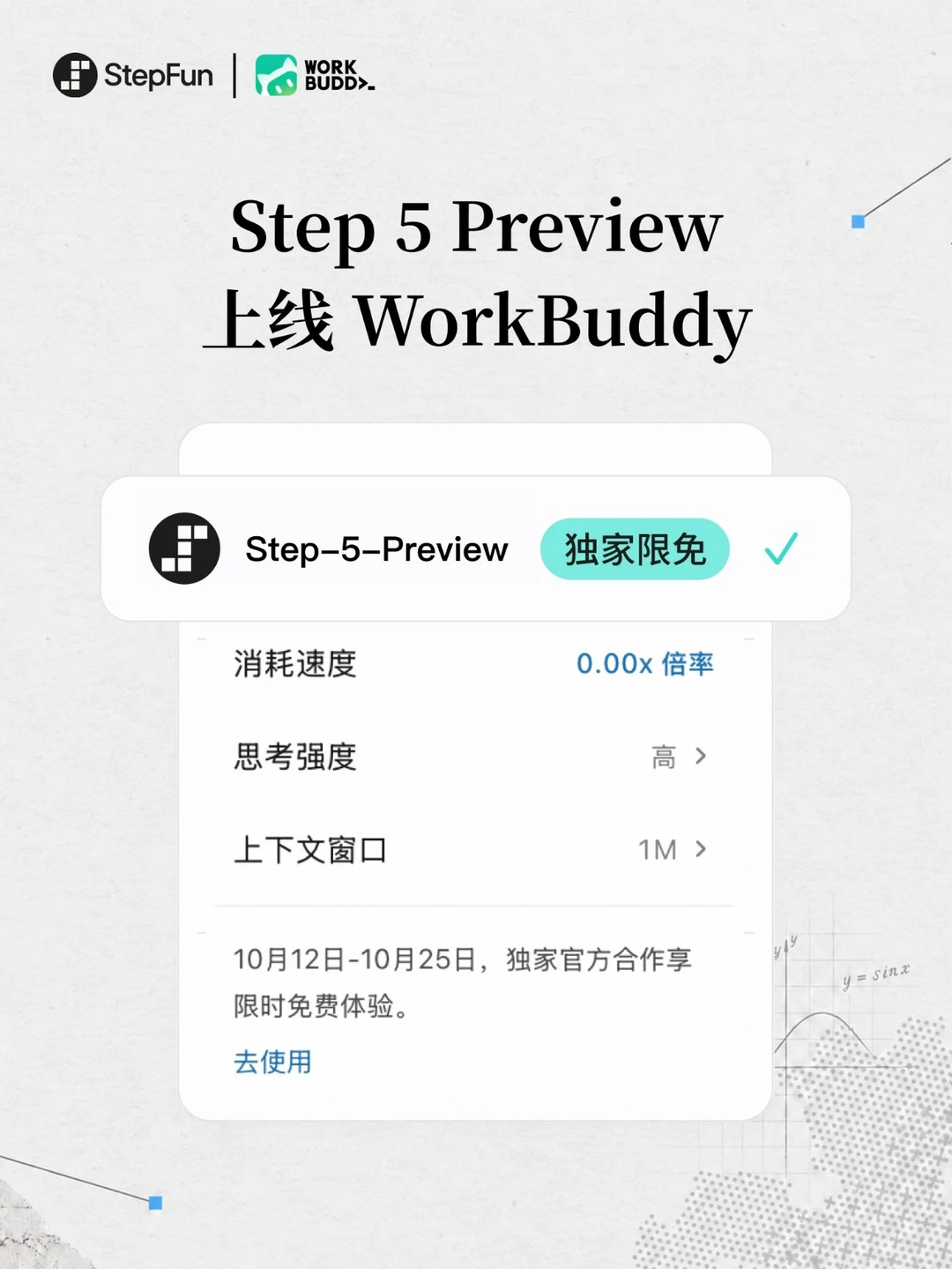
4. StepFun's Step 5 Preview arrives on WorkBuddy, free for two weeks exclusively
StepFun's Step 5 Preview model is now on Tencent WorkBuddy, the all-in-one AI office workspace, free exclusively for two weeks from 12 to 25 October 2026. StepFun says the model brings stronger reasoning and agent capabilities to office work, covering deep research, information retrieval, data analysis, document and slide generation, and sustained execution of complex multi-step tasks.
Announcement: https://mp.weixin.qq.com/s/VmJfCg7X7niy0m9JD6mCdg
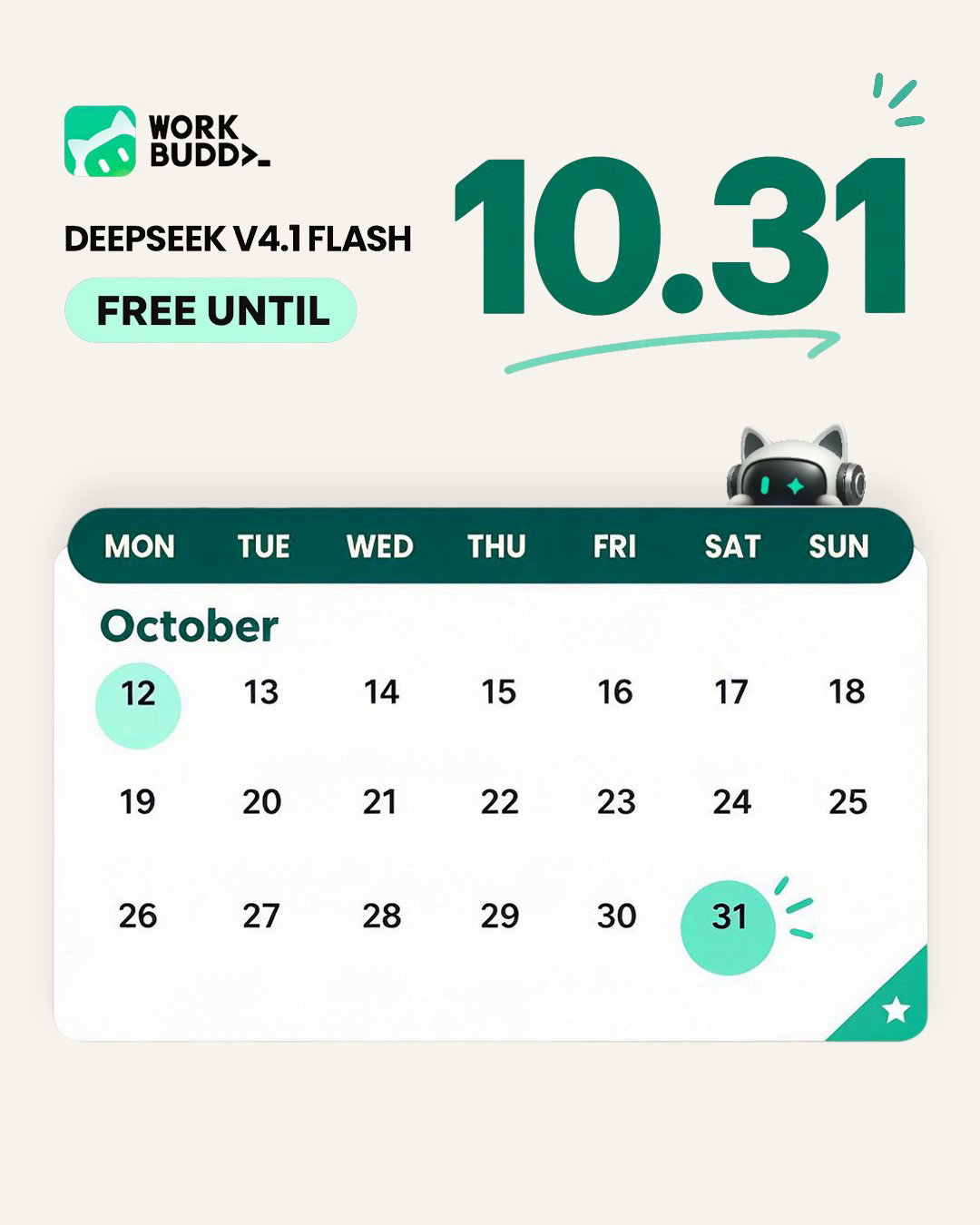
5. DeepSeek V4.1 Flash free on WorkBuddy International until 31 October
WorkBuddy International has extended free access to the DeepSeek V4.1 Flash model on its platform until 31 October 2026 in response to user demand.
Postx.com/WorkBuddy_AI/status/2109673559710974130
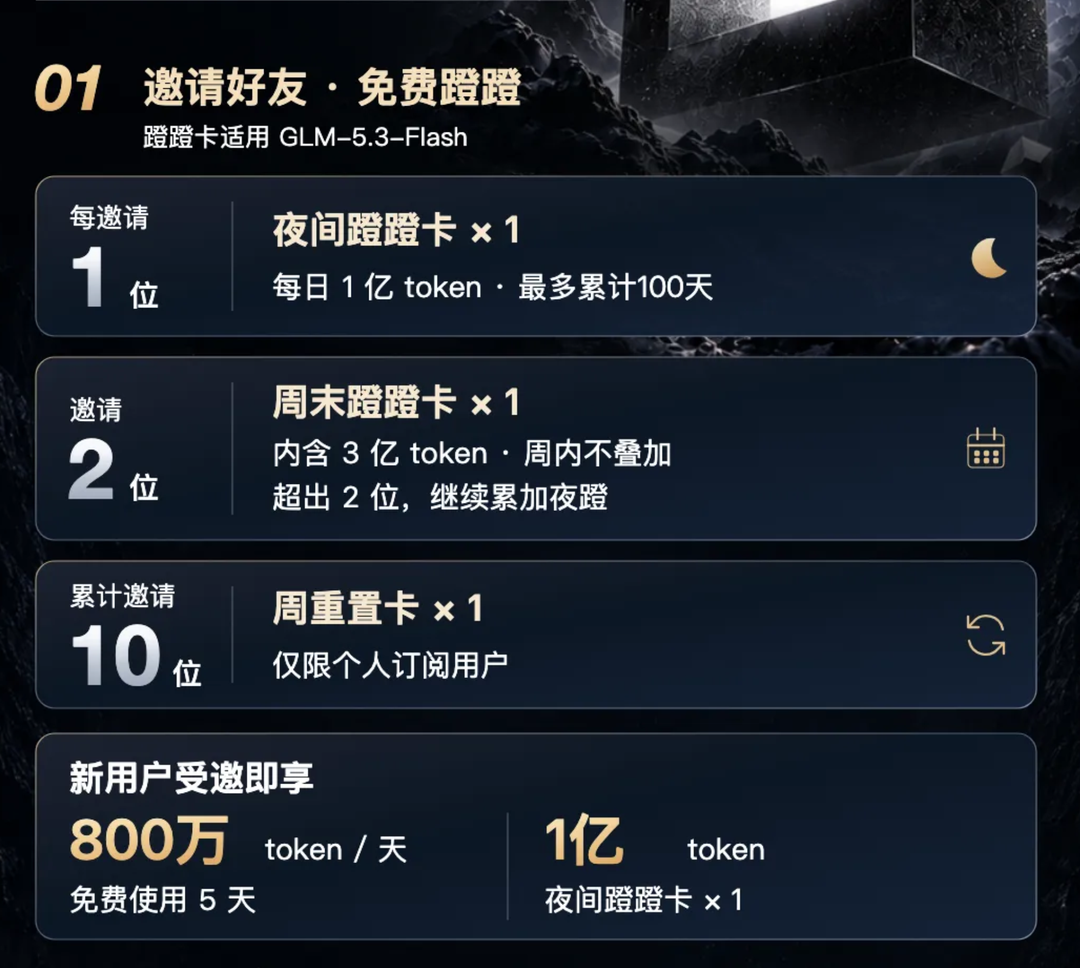
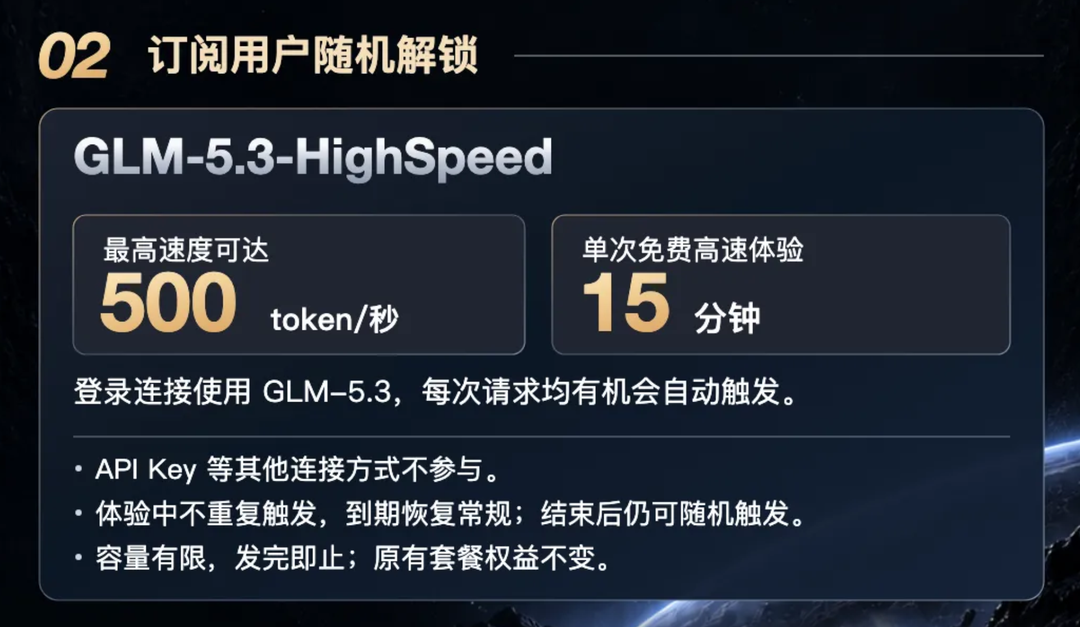
6. ZCode launches a referral campaign with up to 100 days of rewards
Zhipu's ZCode is running a referral campaign from 12 October to 13 November, with rewards for the GLM-5.3-Flash model. Each successful referral earns a night-time pass (100 million tokens a day, accumulating up to 100 days); two referrals earn a 300-million-token weekend pass; and individual subscribers who refer 10 people get a weekly reset pass. Invited new users get 8 million free tokens a day for five days plus a 100-million-token night-time pass. Subscribers also get random chances to try GLM-5.3-HighSpeed free for 15 minutes at a time, at up to 500 tokens per second.
Campaign: https://zcode.z.ai Post: https://x.com/zcode_ai/status/2109678026971861370
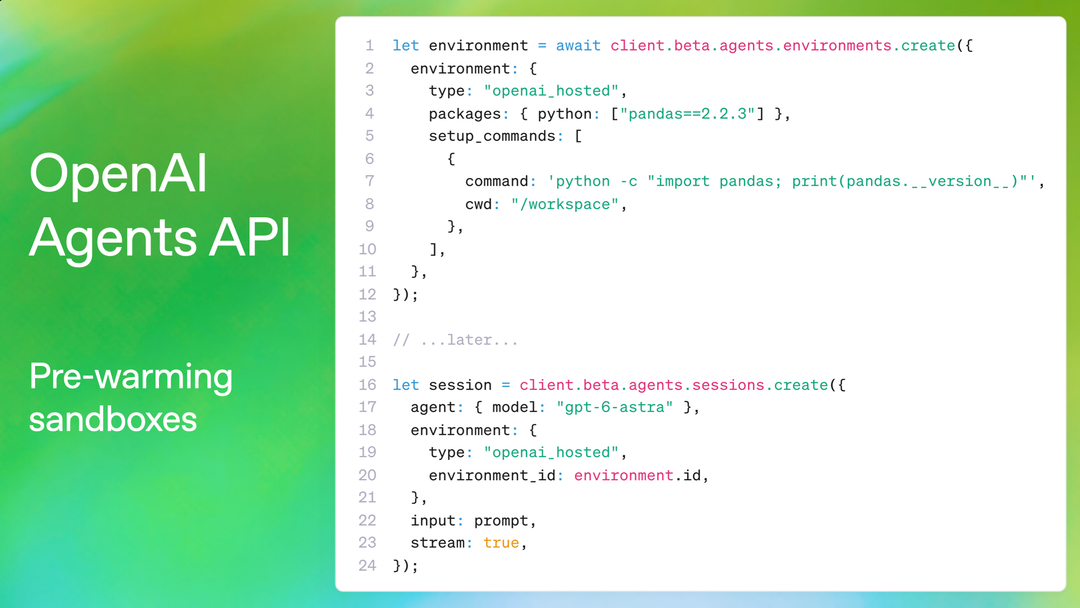
7. OpenAI Agents API adds prewarmed sandboxes
OpenAI has added prewarmed environments to the Agents API: developers can install dependencies, load files and run setup commands before an agent session is created, cutting the wait when a task starts. When a task arrives, the prepared hosted environment can be attached to the session; if setup has not finished, the agent still has to wait before using the workspace. Container time during prewarming and before attachment is free, and standard container pricing applies after attachment; unattached environments expire after about five minutes. A new standalone environment can share its workspace across up to 128 sessions.
Docsdevelopers.openai.com/api/docs/guides/agents-api/environments/prewarmed
III. Products shipping
No major standalone product launches in this 24-hour window; product news centred on the developer ecosystem and subscription changes.
IV. Technical insight and frontier research
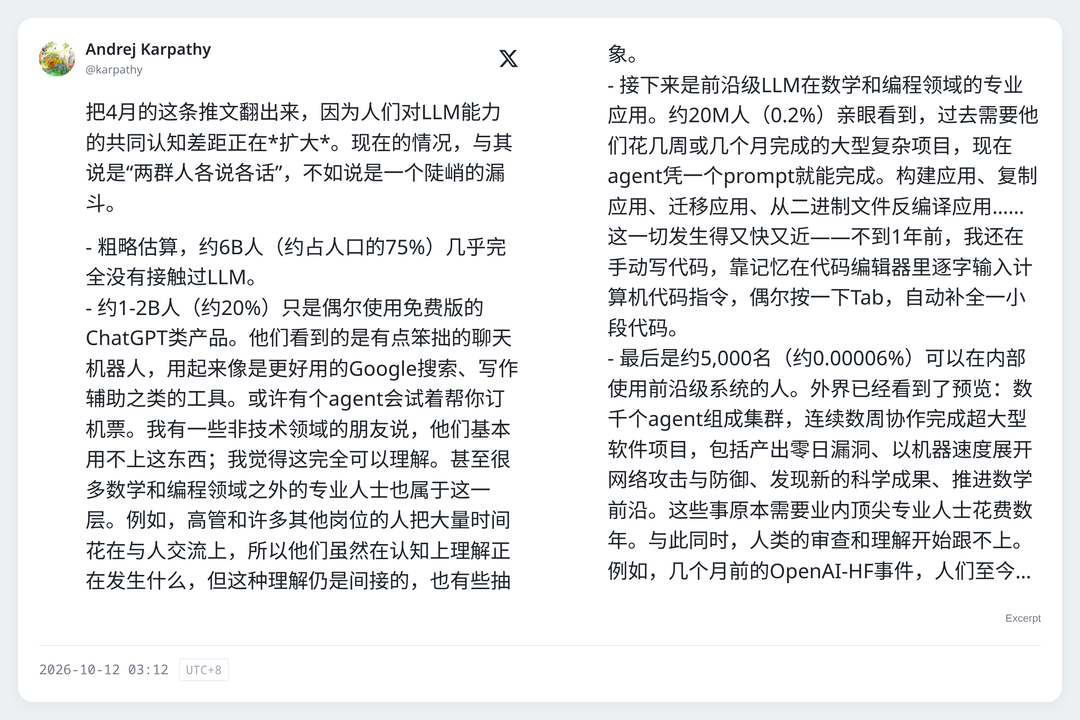
1. Karpathy: the gap in understanding LLM capability keeps widening
Andrej Karpathy, former head of AI at Tesla, says the gap in how people understand what large language models can do is widening into a narrowing funnel. His rough estimate: about 6 billion people have barely touched an LLM; about 1–2 billion use free chat products occasionally; about 2 million use frontier LLMs professionally for maths and code; and only about 500 have access to internal frontier systems. Professional users can already complete large, complex code projects with agents that used to take weeks or months, and internal systems already involve thousands of agents collaborating for weeks. The gap tracks differences in task scale, time horizon and domain ability, as well as access to free, paid and internal systems.
Postx.com/karpathy/status/2109361546505966046
2. Anthropic: small models may be able to self-replicate within months
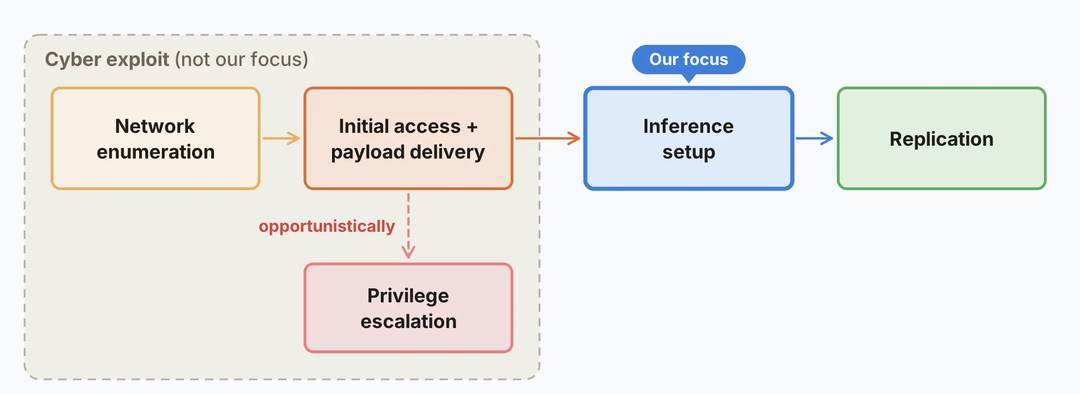
Anthropic has published a report on AI self-replication, concluding that small AI models may within months be able to deploy and spread themselves autonomously on commercial IoT devices without data centre support. In tests, Qwen3.5-9B successfully deployed a Llama3.1-8B inference service on 8 of 9 test hardware platforms. Models of 30 billion parameters or fewer can already complete several individual steps of replication but still make mistakes chaining the full process; GLM-5.2 and stronger models can complete end-to-end replication in a simplified evaluation. Anthropic stresses that the evaluation simplifies the intrusion step and the replicating model runs on a separate inference server, so the results are an upper bound on real-world success; extrapolating from past progress, small models could reach the required capability by the end of 2026.
Report: https://www.anthropic.com/research/self-replicating-ai Paper: https://arxiv.org/abs/2606.03811
3. Anthropic reports progress defending against distillation attacks
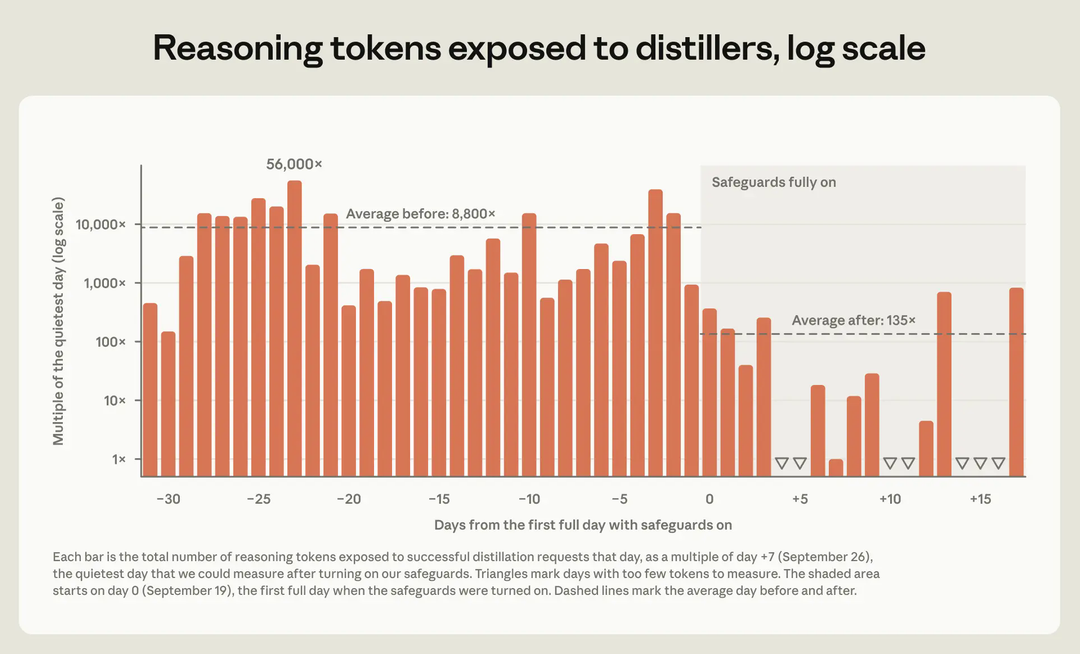
Anthropic has published a technical post on defending the Claude platform against distillation attacks. By limiting how reasoning content flows, intercepting extraction requests with two-stage classifiers and rate-limiting or banning accounts that keep trying, early evidence suggests the number of reasoning tokens attackers can extract has fallen by about 90–99%. The classifiers' false-positive rate is below 0.1%, but Anthropic is unsure how long the defences will hold, as attackers may keep adapting to get around them.
Blog: https://www.anthropic.com/research/distillation-defenses Post: https://x.com/AnthropicAI/status/2109795898909950247
4. Linus Torvalds uses Claude Code to optimise the Linux kernel
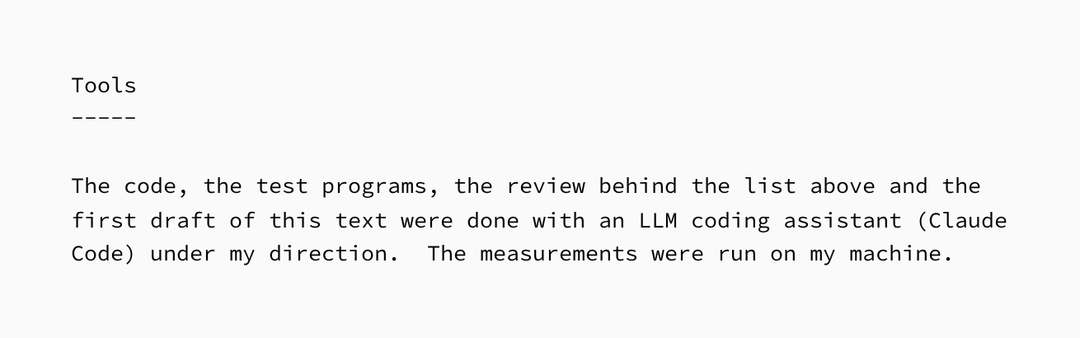
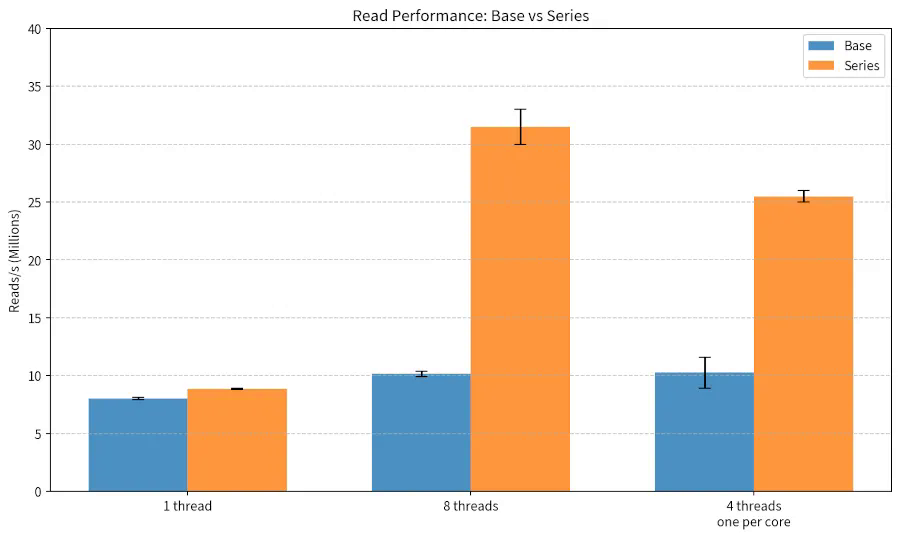
Linux creator Linus Torvalds has confirmed he is using Claude Code to help develop a kernel patch that optimises the page cache without taking extra folio references, easing reference-count contention when many threads read small chunks of the same file. The code, test programs, review and first draft of the description were all written by Claude Code under his direction, with measurements run on his own machine. With 8 threads doing 16-byte reads of the same file, kernel cycles per read fell from 2,937–2,975 to 725–726. The patch is still on a development branch, with open issues around memory reclaim and contiguous memory allocation, and limited test coverage.
Coveragewww.phoronix.com/news/Linus-Torvalds-Claude-Code
5. Sakana AI proposes MASS, a multi-agent self-supervision method
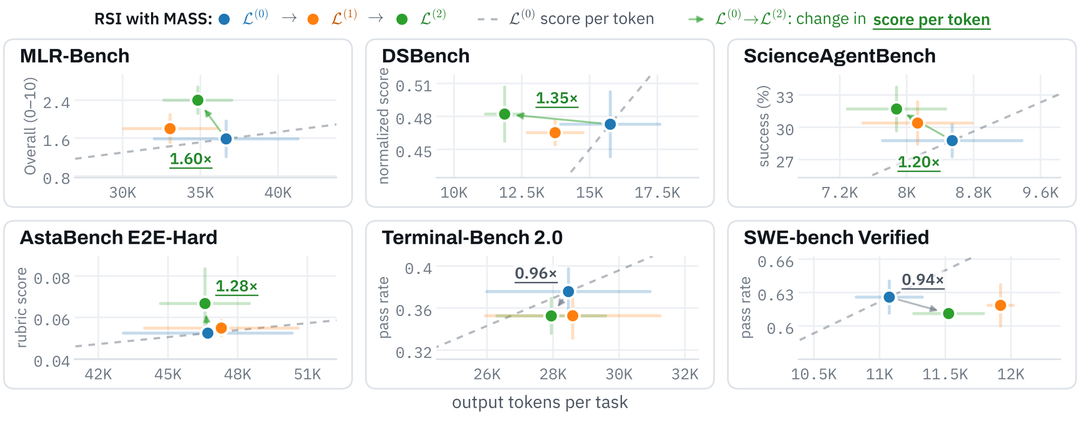
Sakana AI has proposed MASS (Multi-Agent Self-Supervision), in which the same model acts as task executor, workflow optimiser and evaluator, feeding the experience of a multi-agent team back into its own training in an iterative loop. In two rounds of experiments on Qwen3.6-27B, its win rate against the base model on three held-out synthetic research tasks rose from 53.9% in the first round to 69.9%. On four public research benchmarks, the second-round model's score per output token was 1.2–1.6 times the base model's, but it scored below the base model on Terminal-Bench 2.0 and SWE-bench Verified. Sakana also notes that shared blind spots in the model's self-evaluation could let mistakes be counted as progress and reinforced in later training.
Reportpub.sakana.ai/mass/
6. Qwen launches QwenGyre, an ultra-long-horizon reinforcement learning framework
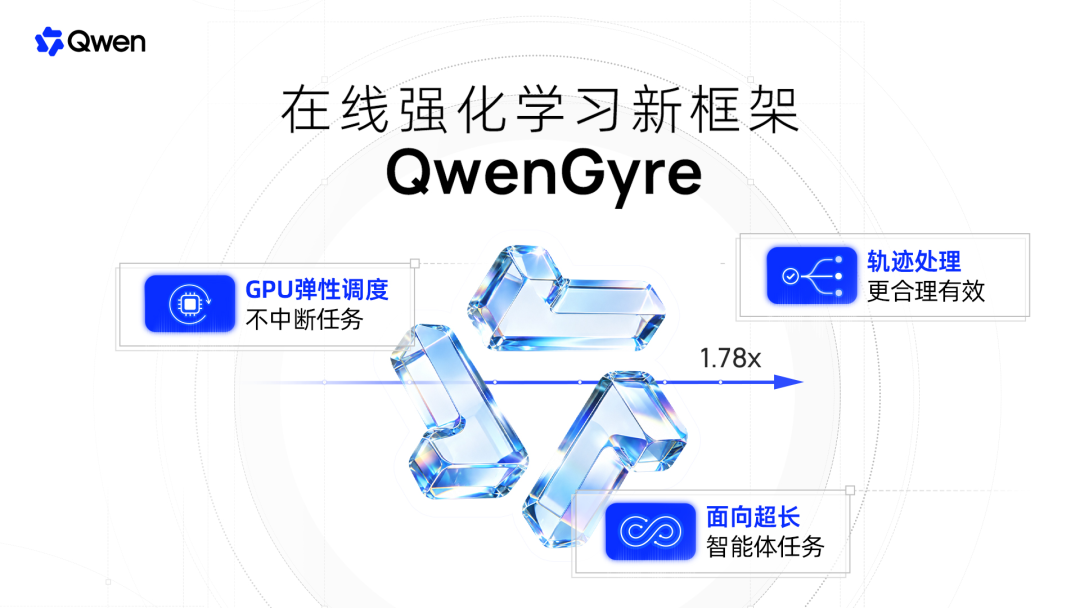
Alibaba's Qwen team has launched QwenGyre, an online reinforcement learning framework for ultra-long-horizon agent tasks. It schedules GPUs elastically without interrupting tasks and uses trajectory handling to cut repeated computation and score partially completed tasks, reducing idle compute and duplicated work. In an NL2RepoBench experiment on Qwen3.8-2.4T, each run processed about 700,000 tokens in total, and after 48 training steps the pass rate rose from 52.48% to 58.54%. With the same GPU budget and matched average scheduling staleness, training time fell from 134.55 hours with the Async approach to 75.42 hours, a 1.78x end-to-end speedup.
Paper: https://arxiv.org/abs/2609.33848 Post: https://x.com/Alibaba_Qwen/status/2109633085658808515
7. Artificial Analysis publishes the FrontierCode 1.1 coding leaderboard
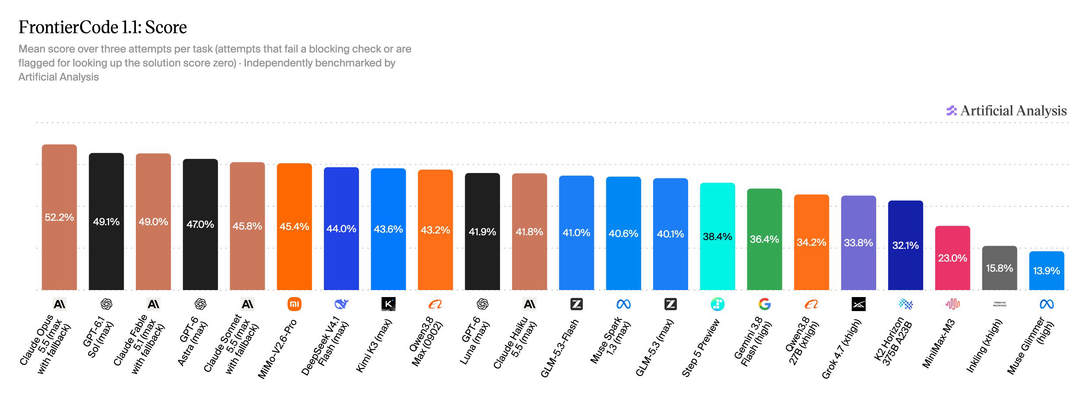
Artificial Analysis has launched FrontierCode 1.1, a private coding leaderboard of 100 tasks from real open-source repositories that checks whether a model's code changes reach the standard a maintainer would merge. Each task gets three attempts and the scores are averaged; attempts that fail a blocking check or are flagged as looking up the answer score zero, and attempts that pass all blocking checks score 70–100%. Claude Opus 5.5 (max with fallback) leads with 52%, with 58% of its attempts passing all blocking checks; MiMo-V2.6-Pro leads open-weight models with 45%; and GPT-6.1 Sol (max) scores 49% at an average of US$0.81 per task, about a tenth of the cost of Claude Fable 5.1 at the same score.
Article: https://artificialanalysis.ai/articles/frontiercode Leaderboard: https://artificialanalysis.ai/evaluations/frontiercode Post: https://x.com/ArtificialAnlys/status/2109703511843979391
V. Industry moves
1. Shing-Tung Yau's alliance of mathematics and AI labs launches at Tsinghua University
An alliance of mathematics and AI laboratories led by Shing-Tung Yau and formed by eight mathematics research institutions has launched at Tsinghua University. It will develop models specialised for the mathematical sciences and advance research on AI-assisted formal proof and conjecture discovery, explainable AI and intelligent computing across disciplines. The first lab is at Tsinghua's Qiuzhen College, set up jointly with the Yau Mathematical Sciences Center, with more labs to follow in Beijing, Shanghai, Nanjing, Shenzhen and Hong Kong. The alliance will share large-model training resources, formal mathematics libraries and compute platforms with participating institutions.
Coveragemp.weixin.qq.com/s/VZK_J7PW0rqAP6Ywwd0frg
2. Microsoft plans multi-gigawatt deployments of Azure Maia
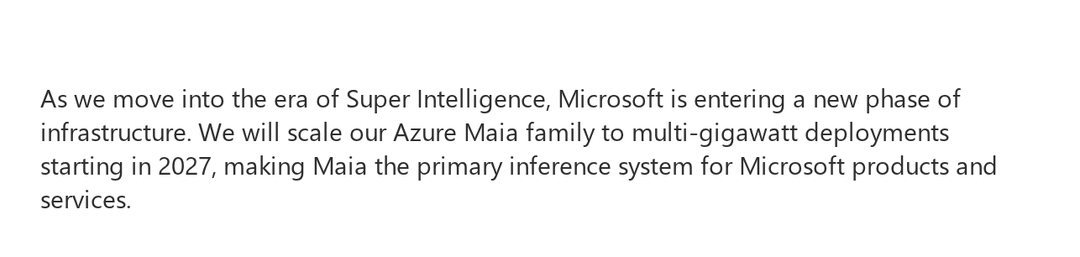
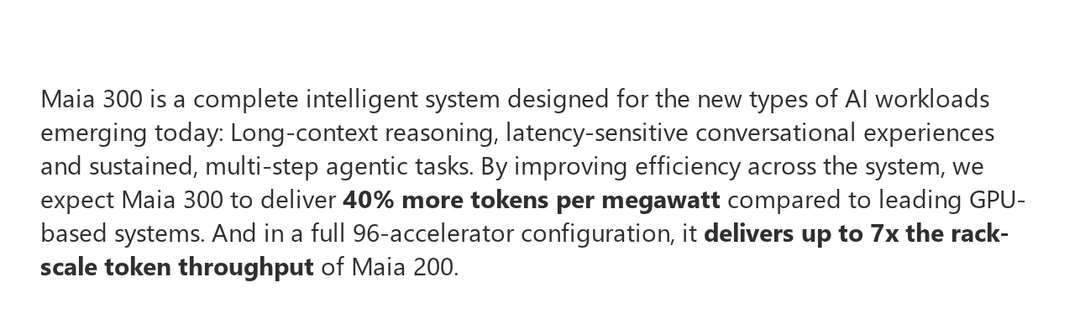
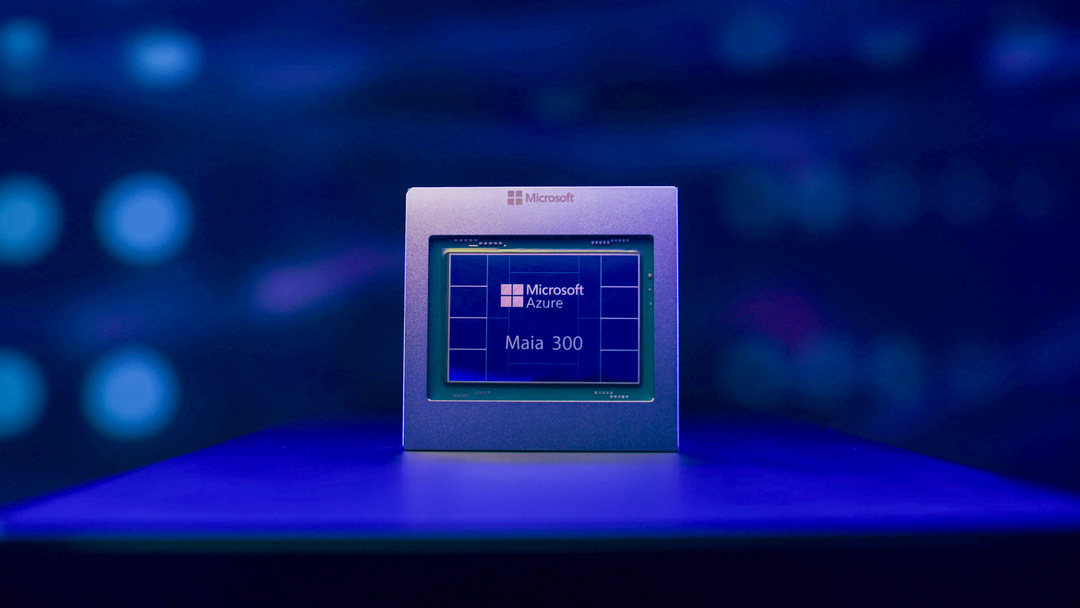
Microsoft plans to scale its in-house Azure Maia AI chips to multi-gigawatt deployments from 2027, making them the core AI inference system for its products and services. The third-generation Maia 300 enters production deployment in 2027, and Microsoft expects it to generate 40% more tokens per megawatt than leading GPU systems. Each Maia 300 rack holds 96 accelerators and draws about 167 kW; in the full 96-accelerator configuration, rack-level token throughput is up to 7 times that of Maia 200.
Blog: https://blogs.microsoft.com/blog/2026/10/12/microsoft-to-expand-azure-maia-system-to-multi-gigawatt-deployments/ Blog: https://azure.microsoft.com/en-us/blog/deep-dive-into-azure-maia-300-architecture/
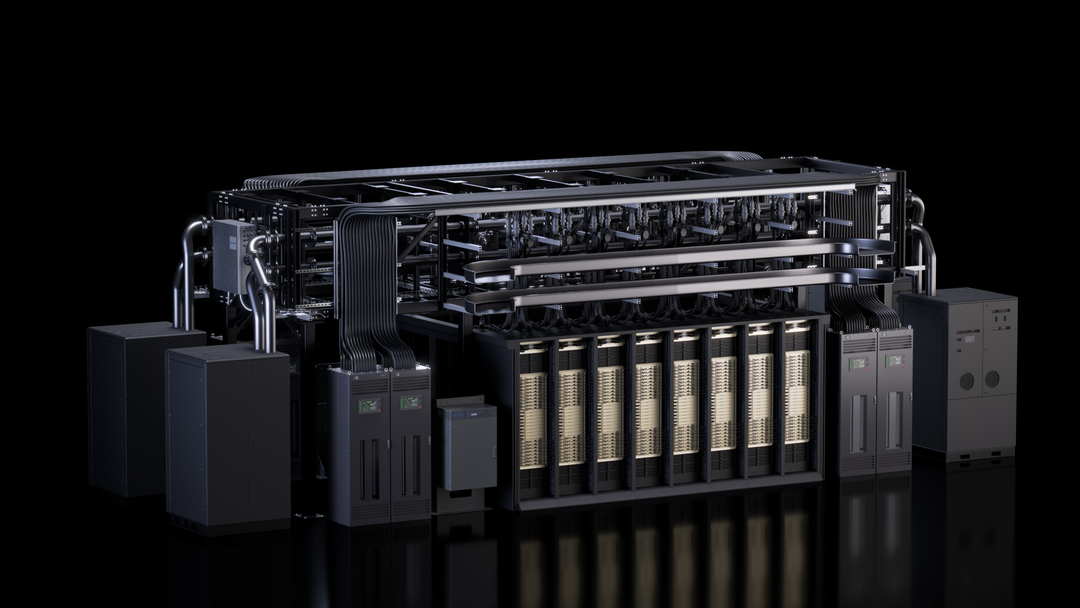
3. NVIDIA opens its Vera Rubin rack designs
At the OCP Global Summit, NVIDIA contributed key Vera Rubin rack and compute tray designs to the Open Compute Project through its MGX architecture. The updated MGX 1.2 supports rack deployments of up to 250 kW, adding rack-level blind-mate liquid cooling, liquid-cooled 500 A busbars and native 19-inch equipment support. The Vera CPU rack design specification extends MGX to platforms for AI agent tool calling, orchestration and sandboxed execution. NVIDIA and partners also released open specifications for AI factory facility design and grid resilience, covering power, cooling and physical layout, and requirements for responding to grid disturbances.
Blogblogs.nvidia.com/blog/ocp-global-summit-vera-rubin-scale-ai-factories/
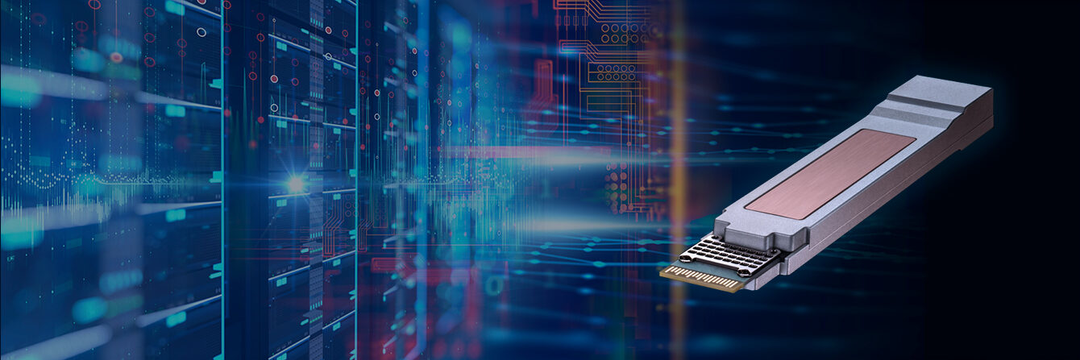
4. NVIDIA and Cisco announce the USFP optical module design
NVIDIA and Cisco have introduced USFP, an ultra-high-density pluggable optical module design for Ethernet interconnect in AI factories, supporting 400 Gb/s electrical signalling per lane. The first planned modules provide 16 full-duplex lanes within the OSFP footprint for 6.4 Tb/s in total, with future expansion to 32 lanes and 12.8 Tb/s. The companies say USFP offers up to four times the bandwidth density and about 1.3 times the energy efficiency of 200 Gb/s-per-lane pluggables, while keeping the deployment and maintenance model of pluggable modules. They are working with TE Connectivity and Amphenol on a multi-source hardware ecosystem and plan to set an open industry specification through a community-led project.
Announcement: https://nvidianews.nvidia.com/news/nvidia-and-cisco-introduce-new-pluggable-optics-form-factor-to-scale-ai-factories Blog: https://blogs.cisco.com/news/cisco-and-nvidia-announce-usfp-expanding-the-path-to-ai-connectivity
5. AMD releases a new Ryzen AI Halo developer platform
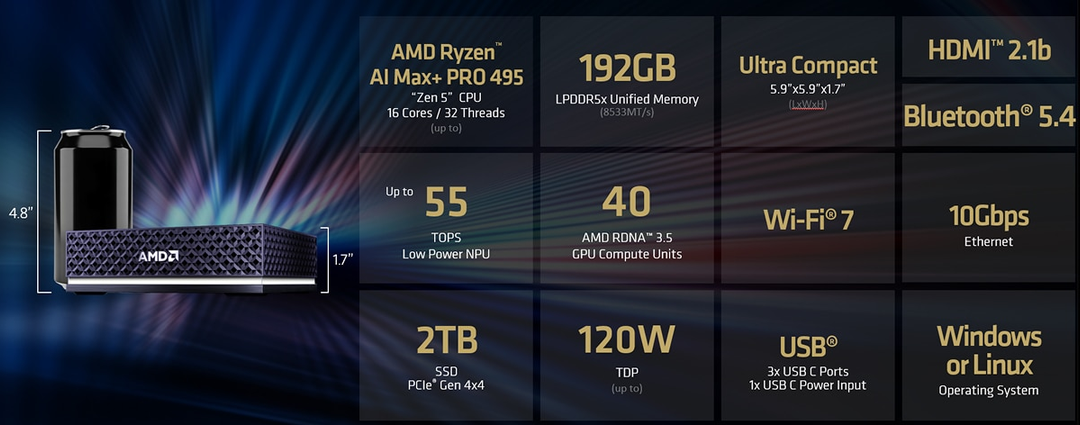
AMD has released a new Ryzen AI Halo developer platform built on the Ryzen AI Max+ PRO 495 processor, with improved CPU, GPU and NPU performance over the first generation and up to 192 GB of LPDDR5X-8533 unified memory, of which up to 160 GB can be allocated as video memory. AMD says the platform can run language models of 30 billion parameters and larger with 4-bit quantisation. The Linux version costs US$7,299.99 and is on sale at some Micro Center stores in the US; a Windows version with the Project Zenith development environment will follow.
Product: https://www.amd.com/en/products/processors/desktops/ryzen/ryzen-ai-halo.html Blog: https://www.amd.com/en/blogs/2026/meet-the-next-amd-ryzen-ai-halo.html
6. The UK AI Security Institute regains early access to models
Reuters reports that the White House has reversed a decision that restricted developers from giving new models to the UK AI Security Institute, restoring its early access to models from Anthropic, Google DeepMind, OpenAI and others. UK AI minister Kanishka Narayan confirmed the institute is already evaluating the latest generation of models, including Gemini 4 Argon. Under voluntary agreements with the major developers, the institute assesses models' capabilities and risks before deployment.
Coverage: https://www.telegraph.co.uk/news/2026/10/11/britain-get-first-look-ai-systems-after-white-house-u-turn/ Coverage: https://www.reuters.com/legal/litigation/uk-given-access-safety-test-latest-ai-models-minister-says-2026-10-12/
7. Two people face criminal measures over rumours about Moonshot AI
Police say two people surnamed Guo and Chang have been placed under criminal compulsory measures by local police for fabricating and spreading a rumour that "several people at a tech company were taken away". They published the false information to gain traffic and industry attention, and its spread seriously disrupted public order. The case may relate to the rumours Moonshot AI faced earlier; Moonshot AI had denied them and reported the matter to the police.
Noticemp.weixin.qq.com/s/VZK_J7PW0rqAP6Ywwd0frg
VI. Outlook and market rumours
1. OpenAI's Sora video model may return in a custom film version
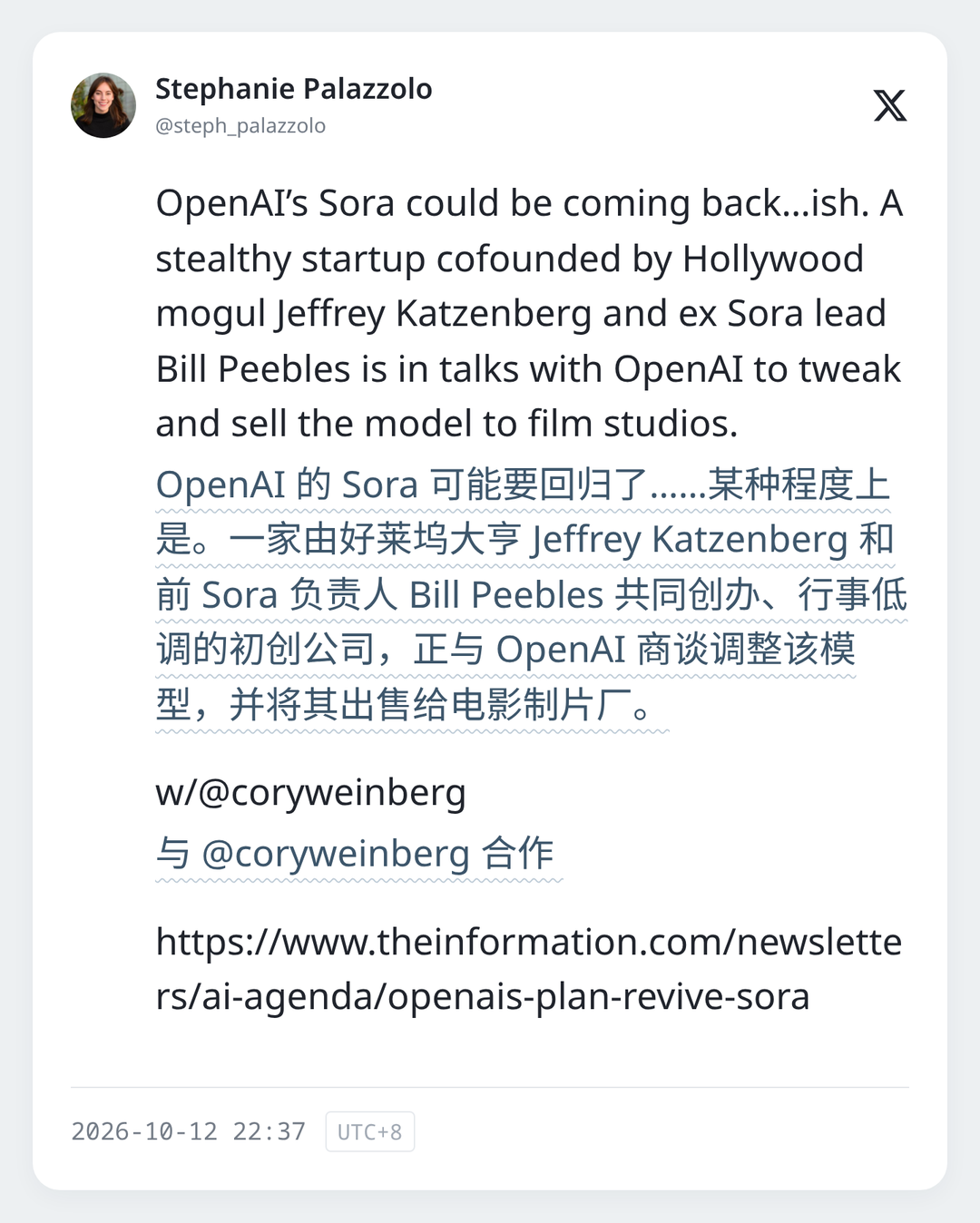
The Information reports that a startup co-founded by Jeffrey Katzenberg and former Sora research lead Bill Peebles is in talks with OpenAI to license and customise the Sora video model and sell the adapted version to film studios. OpenAI had shelved Sora, and the custom deal for film production is still under negotiation and not final.
Coveragewww.theinformation.com/newsletters/ai-agenda/openais-plan-revive-sora
2. Tencent Yuanbao reportedly building a standalone agent product, "Yuanbao Assistant"
People familiar with the matter say Tencent Yuanbao is developing a personal agent product called "Yuanbao Assistant" as a standalone app, with its own runtime space and permissions separate from the main Yuanbao app, to handle long-running tasks and long-term personal memory. Tencent has not officially confirmed the plan.
Coveragemp.weixin.qq.com/s/gX2yV5_2tHw9kCj8ND7W2g
VII. Claw roundup
1. Agent subscriptions consolidate as one-stop services become the trend
SpaceXSI's combined subscription brings AI chat, coding agents and premium membership into one plan with a shared allowance, one bill and one identity. AI products are moving from single tools to one-stop platforms. Bundling several products raises user stickiness and lowers acquisition costs, and a product matrix with shared allowances lifts revenue per user, so platform ecosystem competition is intensifying.
2. Model security becomes systematic, with attack and defence both advancing
Anthropic's disclosure of its distillation defences and research on small-model self-replication, on top of its model behaviour report and usage policy update, show AI security moving from point defences to systematic attack and defence. Defence now spans the whole chain, from output review to limits on reasoning flow, behaviour detection and account rate limiting; on the risk side, research looks ahead from small-model replication to autonomous spread, driving security technology and governance rules forward together.
3. AI and science converge, pushing disciplinary boundaries outward
The founding of Yau's mathematics and AI alliance, Linus using AI to optimise the kernel, and AI-assisted mathematical proof and biology research show AI moving deep into basic sciences and engineering. Shifting from an assistant to a native part of the research process, AI is changing how each discipline does research and spawning more specialised models and tools, as the fusion of disciplines and AI moves from applications to fundamental research.
VIII. Trending open source on GitHub
1. openbmb/MiniCPM-V
Momentum: a new favourite among on-device multimodal models. Summary: OpenBMB's official open-source MiniCPM-V 4.7 multimodal models for image, text and video understanding, with LES speeding up on-device inference and a low-cost fine-tuning method, under Apache 2.0 — suited to mobile and local deployment.
Repository: https://github.com/openbmb/MiniCPM-V
2. sakana-ai/mass
Momentum: a popular research project in self-supervised learning. Summary: the official implementation of MASS, a multi-agent self-supervision method in which the model executes, optimises and evaluates tasks itself in a self-improving loop, with complete experiment code and results.
Repository: https://github.com/sakana-ai/mass
3. deepseek-ai/deepseek-harness
Momentum: a leading Chinese agent framework. Summary: DeepSeek's official open-source, fully plugin-based agent framework with multi-model support, tool calling and workflow orchestration. It is highly customisable for enterprise agent development and deployment and keeps adapting to new models and use cases.
Repository: https://github.com/deepseek-ai/deepseek-harness
4. anthropics/claude-quickstarts
Momentum: a benchmark project in the Claude developer ecosystem. Summary: Anthropic's official quickstart collection, with complete example code for the computer use and browser use toolsets across multiple SDK languages and driver environments — the authoritative reference for building Claude agents.
Repository: https://github.com/anthropics/claude-quickstarts
5. open-webui/open-webui
Momentum: the go-to front end for self-hosting. Summary: a full-featured open-source AI interface with multi-model support, RAG, plugins and multi-user management, deployable locally or in the cloud — the mainstream front end for self-hosted AI services.
Repository: https://github.com/open-webui/open-webui